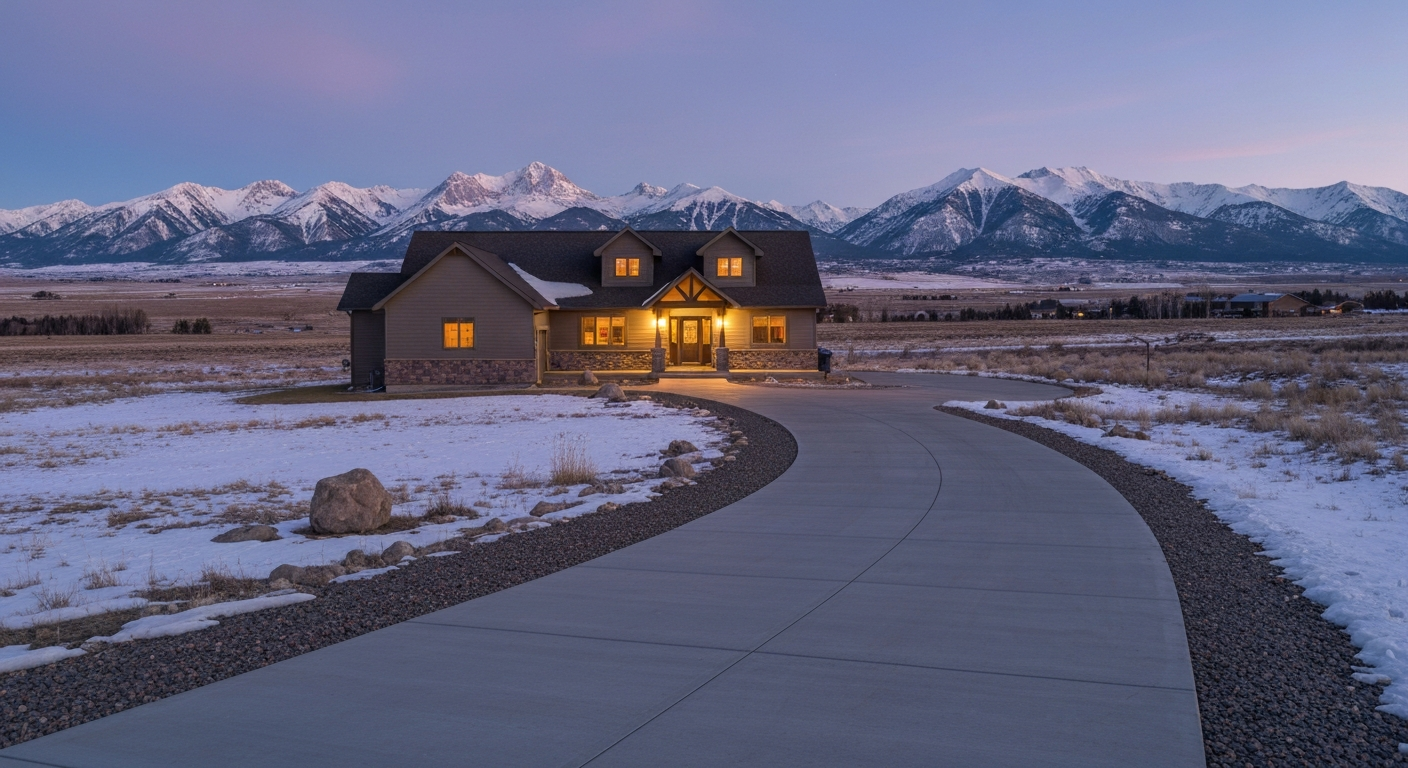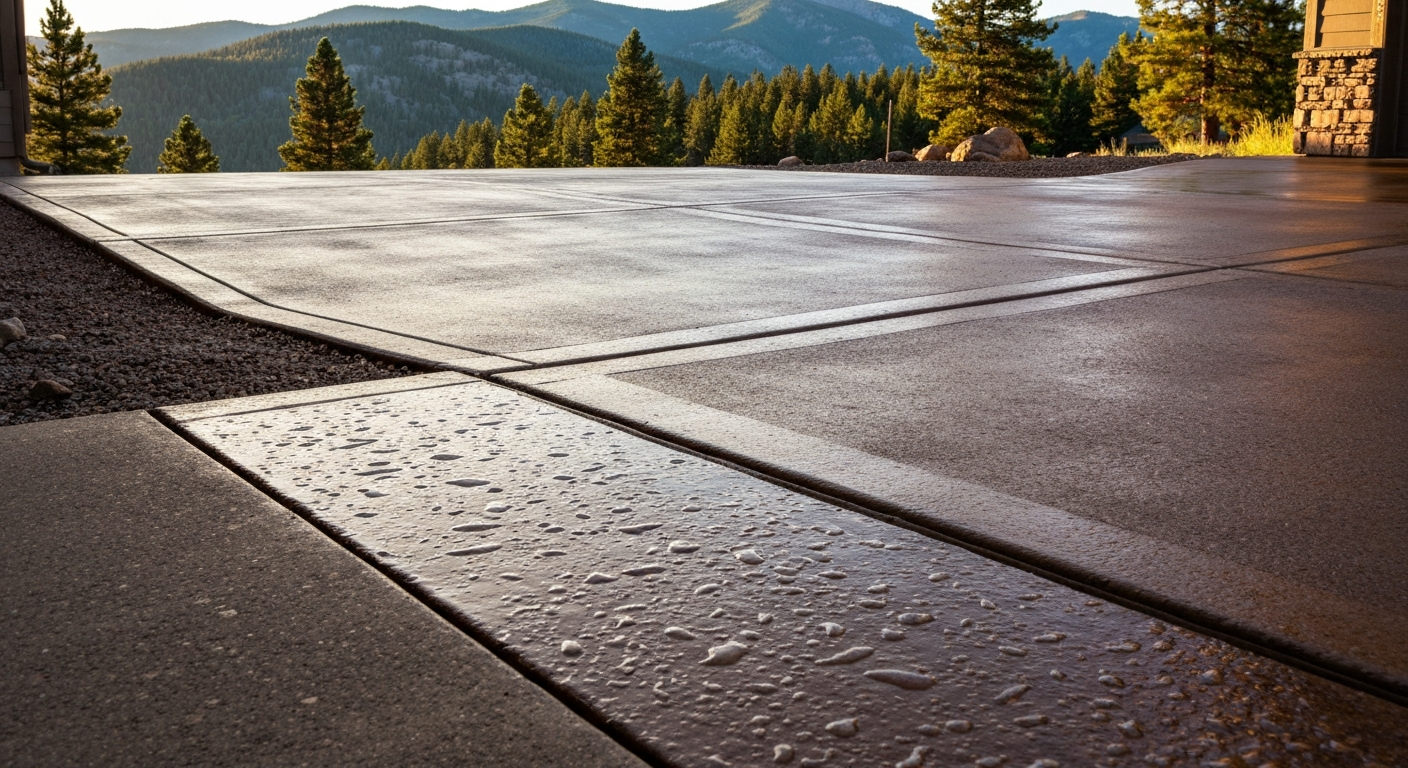
Concrete Sealing in Kalispell & the Flathead Valley
Breathable, penetrating sealers that protect exposed driveways, walkways, and exterior concrete from Montana freeze-thaw, snowmelt, and road salt.
Concrete sealing is one of the most practical ways to protect exterior concrete in Kalispell, the Flathead Valley, and across Northwest Montana. For driveways, walkways, garage aprons, exposed patios, steps, and exterior slabs, a professional concrete sealer helps reduce water absorption before moisture works its way into the surface, freezes, expands, and starts breaking the concrete apart.
At Streamline Solutions, we specialize in protecting and restoring existing concrete and paver surfaces. Our concrete sealing service is designed for exposed exterior flatwork that faces standing water, heavy UV exposure, snowmelt, freeze-thaw cycles, and deicing salts through long Montana winters.
For many outdoor concrete surfaces, the right answer is not a shiny coating or decorative overlay. It is a breathable, penetrating sealer that soaks into the concrete and helps protect the surface without changing the natural look or creating a film on top. Silane and siloxane-style penetrating sealers are often the honest default for fully exposed concrete because they protect against water intrusion while still allowing the slab to breathe.
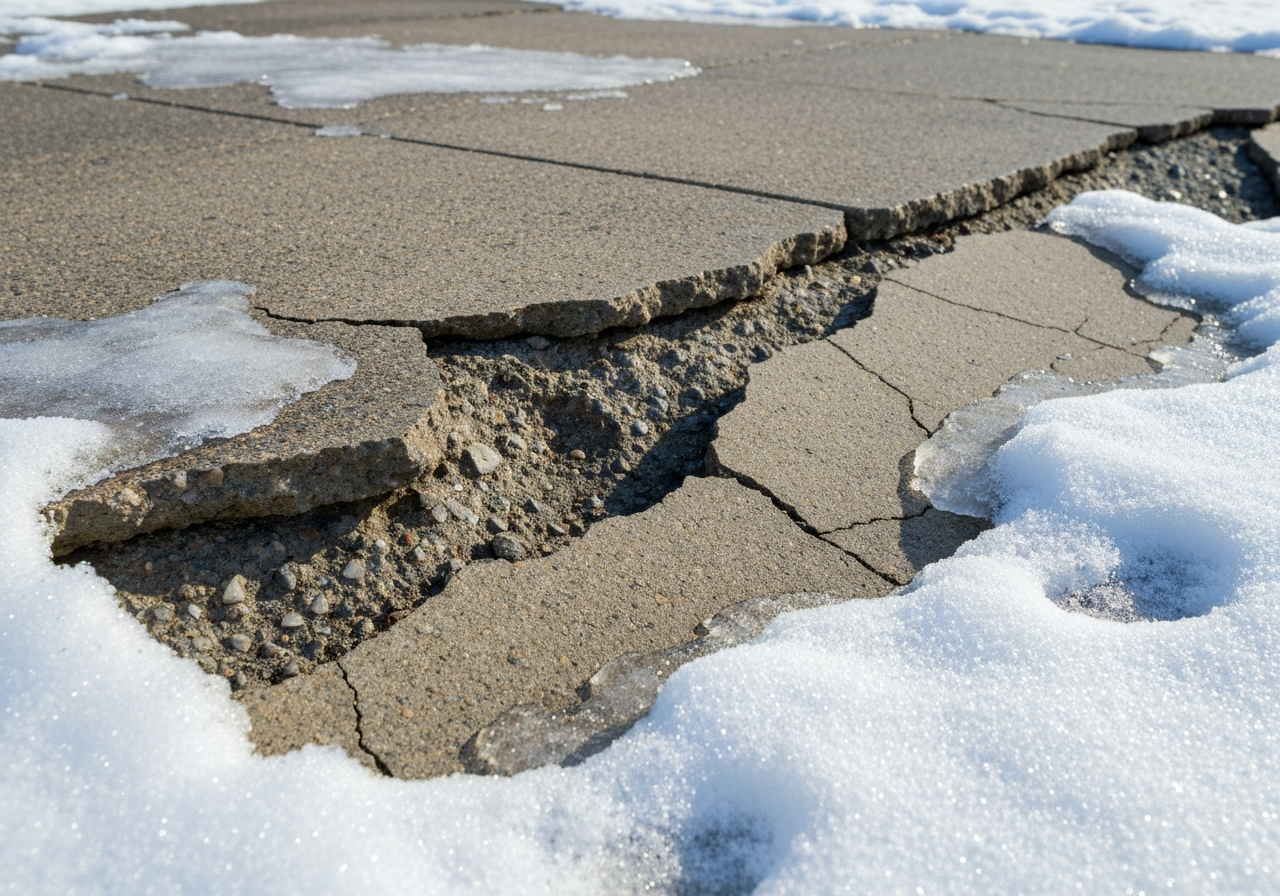
That matters in Flathead County. Exterior concrete here does not fail only because it gets old. It fails because water, snow, ice, road salt, magnesium chloride, and repeated freeze-thaw movement create pressure inside the surface. Once the paste at the top of the slab starts weakening, you may see pitting, scaling, surface dusting, flaking, or spalling.
Montana Freeze-Thaw, Snowmelt, and Road Salt Are Hard on Unsealed Concrete
Exterior concrete in the Flathead Valley has a difficult job. It has to handle vehicles, foot traffic, snow shovels, plows, UV exposure, standing water, melting snow, freezing nights, and deicing chemicals. Even well-placed concrete can deteriorate faster than expected when moisture repeatedly enters the surface.
The main problem is water absorption. Concrete is hard, but it is still porous. When snow melts or rain sits on the surface, water can soak into the capillaries near the top of the slab. When temperatures drop below freezing, that trapped water expands. Over time, the repeated expansion and contraction can weaken the surface layer.
This is where spalling, pitting, scaling, and surface dusting begin. Spalling usually shows up as chipped, flaked, or broken areas where the top layer has separated. Pitting appears as small holes or rough spots. Scaling often looks like thin layers peeling or flaking away. Surface dusting may leave a powdery residue when the concrete is swept or washed.
Road salt and deicers make the issue worse. Vehicles track salt, magnesium chloride, and winter road treatments onto driveways, garage aprons, walkways, and steps. These materials can increase moisture movement, contribute to surface breakdown, and make freeze-thaw damage more aggressive.
Unsealed exterior concrete is especially vulnerable in areas where snow piles sit for weeks, water drains poorly, or ice repeatedly forms near the surface. Driveway edges, low spots, shaded walkways, garage aprons, and steps often show damage first because they hold moisture longer.
Concrete sealing helps by reducing the amount of water that can soak into the surface. A penetrating concrete sealer does not stop winter from happening, and it does not make concrete indestructible. It simply gives your exterior concrete a better line of defense against the conditions that cause premature deterioration in Montana.
Professional concrete sealing does not make damaged concrete look new again, and it will not hide existing surface failure. What it can do is slow down moisture-related damage, reduce absorption, make future cleaning easier, and help preserve concrete that is still in serviceable condition.
For protected areas such as garages, shops, and covered patios, a film-forming coating may be a better fit. If you are looking for a durable garage floor upgrade, visit our main concrete coating page. For covered outdoor living spaces, see our patio coating options.
For exposed driveways, walkways, aprons, steps, and exterior slabs, concrete sealing is often the most practical protection.
Exterior Concrete Protection
Streamline Solutions provides professional concrete sealing for existing exterior concrete surfaces throughout Kalispell and the Flathead Valley. Our sealing work is focused on protection, not new installation.
We protect, restore, seal, and coat existing concrete & paver surfaces — we do not install new slabs, foundations, sidewalks, stamped concrete, or asphalt.
Driveway Sealing
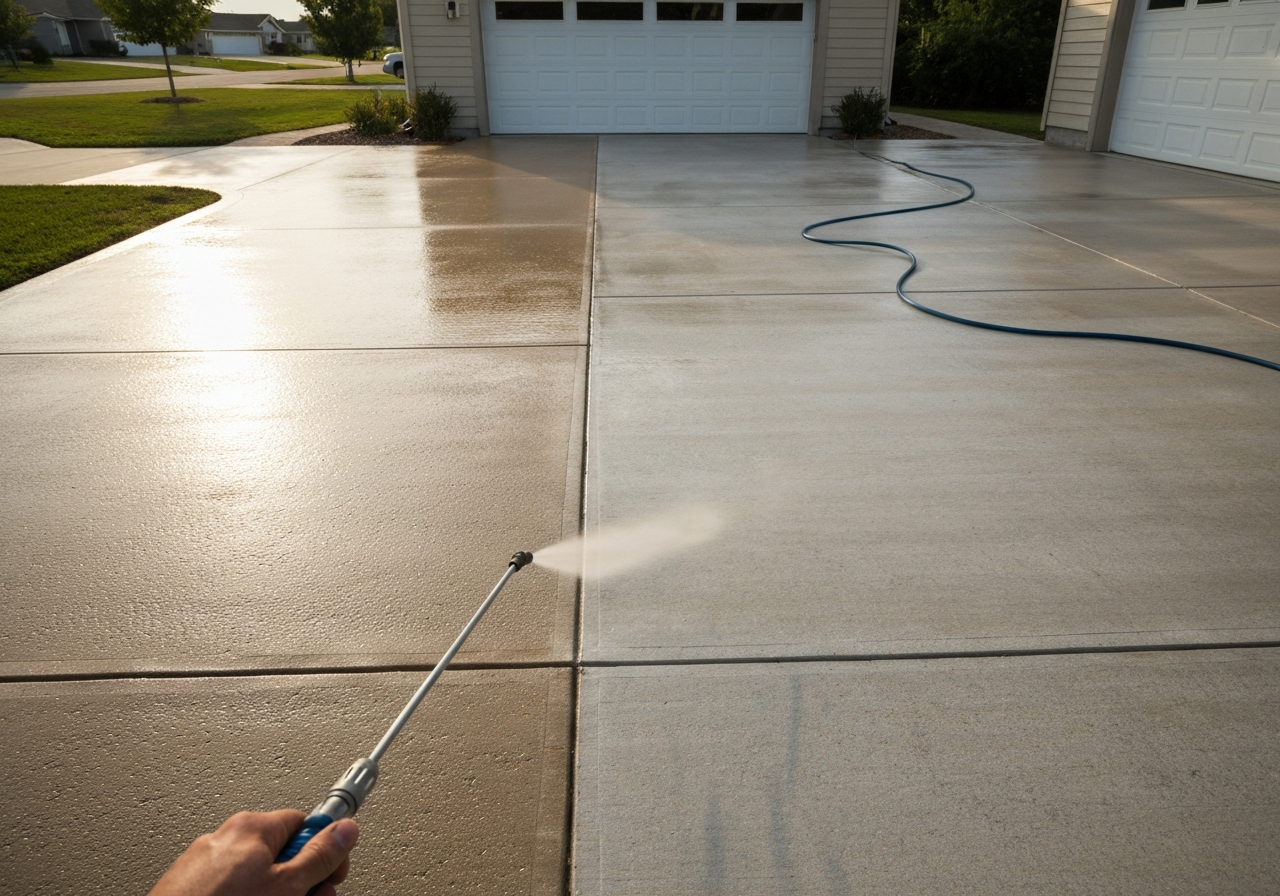
Driveways take some of the hardest wear on a property because they deal with vehicle traffic, snow removal, road salt, and standing moisture. Our driveway sealing service helps reduce water absorption and protect the surface from freeze-thaw damage, pitting, and scaling.
Learn more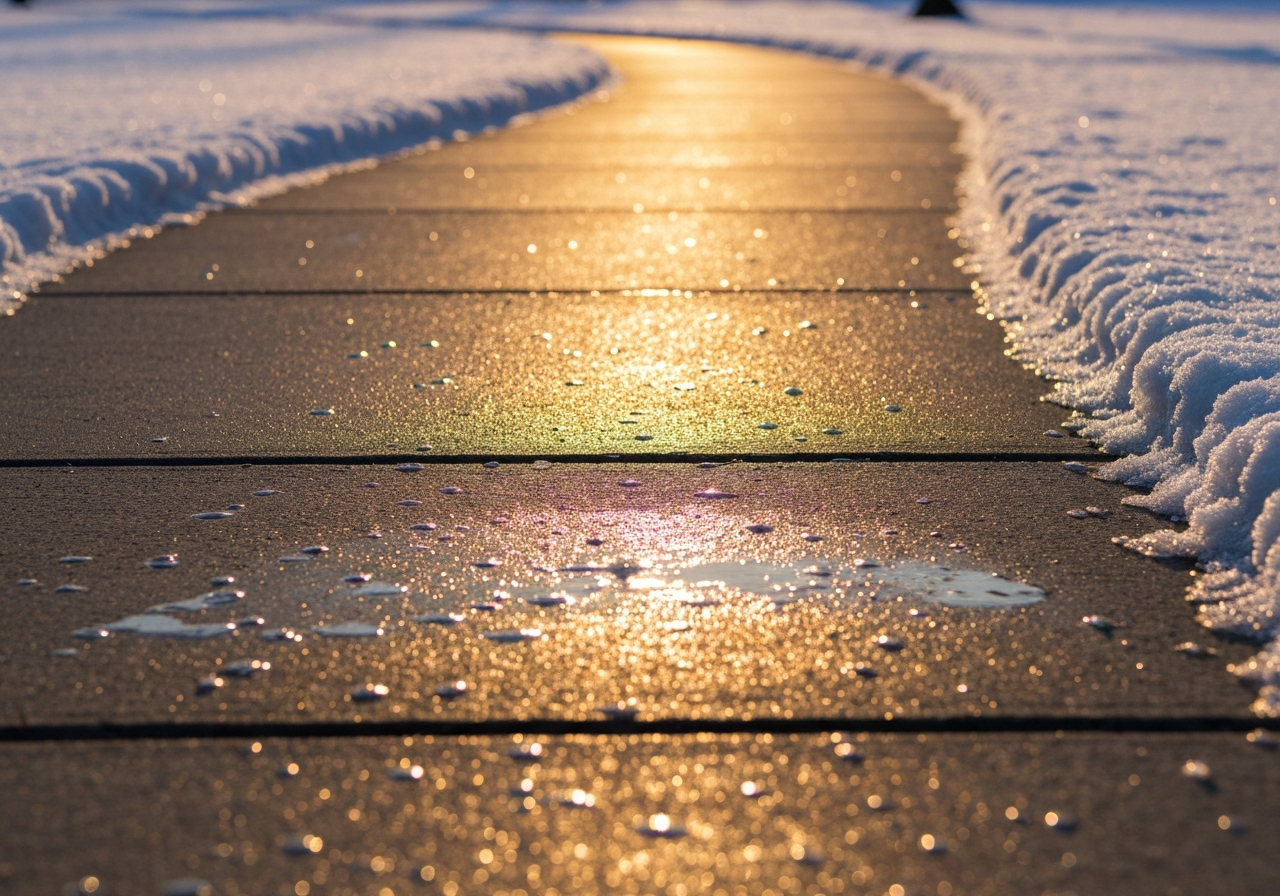
Winter Concrete Protection
Montana winters create ideal conditions for surface damage: snowmelt during the day, freezing temperatures at night, and deicers tracked in from roads and parking areas. Winter concrete protection focuses on sealing vulnerable exterior flatwork before moisture and salt can accelerate deterioration.
Learn more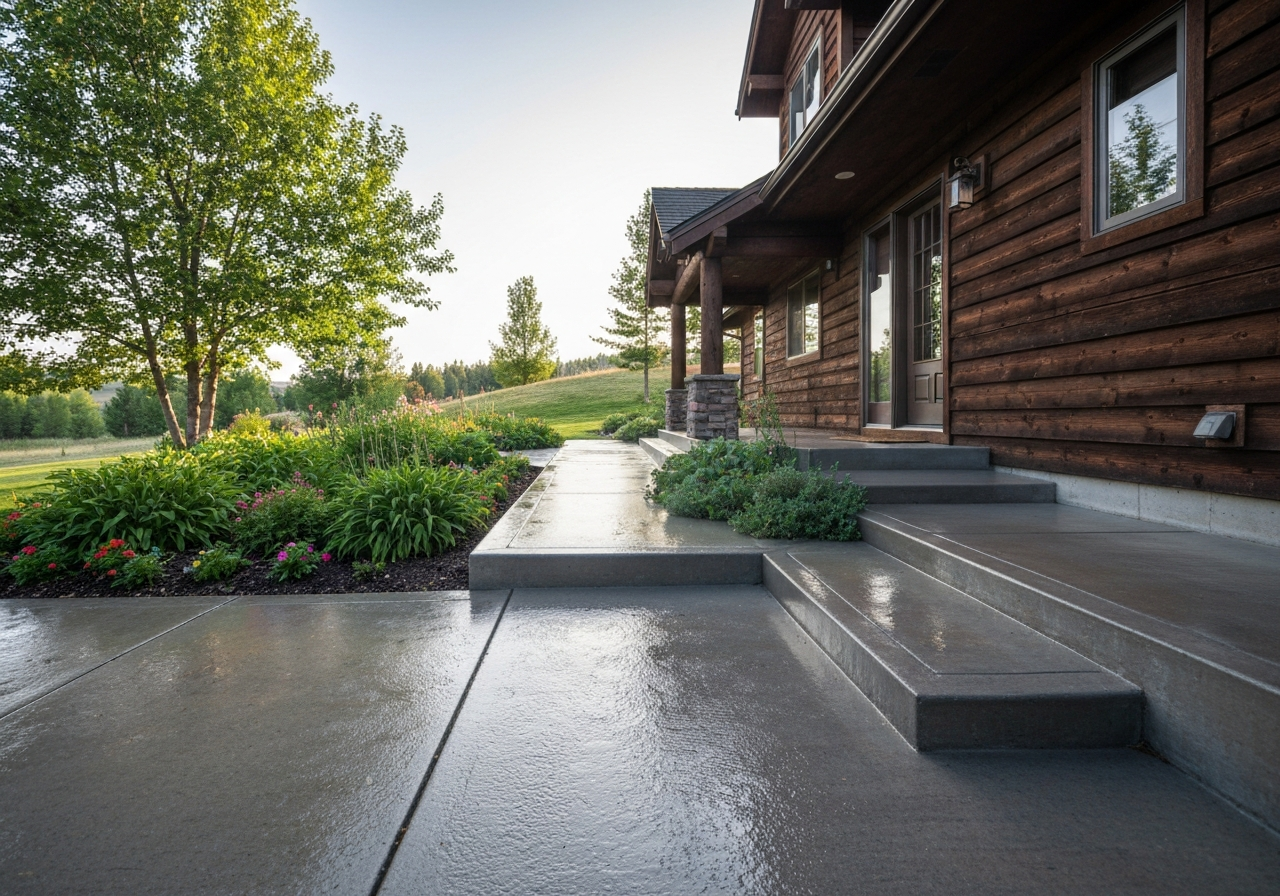
Exterior Concrete Sealing
Not every surface needs a decorative coating. Many exposed walkways, garage aprons, steps, patios, and slabs simply need a professional penetrating sealer that protects the concrete while keeping the natural finish. This is a practical option for homeowners who want the surface protected without adding gloss, color, texture, or a film-forming layer.
Benefits of Professional Concrete Sealing
1. Helps Reduce Freeze-Thaw Damage
The biggest reason to seal exterior concrete in Northwest Montana is freeze-thaw protection. When water enters unsealed concrete and freezes, it expands inside the surface. A penetrating concrete sealer reduces water absorption, which helps lower the risk of spalling, pitting, and scaling over time.
2. Protects Against Road Salt and Deicer Exposure
Driveways, walkways, steps, and garage aprons often collect salt and magnesium chloride from vehicles, boots, snowmelt, and winter maintenance. A quality concrete sealer helps limit how deeply these contaminants can move into the surface. That added protection is especially useful near roads, parking areas, and high-traffic entries.
3. Preserves the Natural Look of Exterior Concrete
Many customers do not want their driveway or walkway to look coated. Penetrating sealers are designed to soak into the concrete rather than sit on top as a visible film. The result is a natural-finish appearance that protects the slab without making it glossy or decorative.
4. Makes Routine Cleaning Easier
Sealed concrete is typically easier to rinse, wash, and maintain because water and contaminants are less likely to soak deeply into the surface. Dirt, organic buildup, and winter residue can still collect on top, but the surface is usually easier to clean when it has been properly sealed. For heavily soiled surfaces, professional pressure washing before sealing can make a major difference.
5. Helps Extend the Useful Life of Existing Concrete
Concrete sealing is not a cure for structural problems, but it can help preserve concrete that is still in good condition. By reducing water absorption and slowing surface deterioration, sealing can delay avoidable damage. That is especially valuable for driveways, steps, and walkways that would be expensive or disruptive to replace.
6. Provides Practical Protection Without a Film-Forming Coating
Film-forming coatings are excellent in the right setting, but fully exposed exterior flatwork often needs breathable protection. Penetrating concrete sealers protect from within the surface and do not create a layer that can peel, chip, or trap moisture. For many exposed driveways and walkways, that makes sealing the more practical long-term option.
Concrete Sealing vs. Concrete Coating: When Each Is the Right Call
Concrete sealing and concrete coating are not the same service. They solve different problems, and the right choice depends on exposure, traffic, appearance goals, and how the surface is used.
Concrete sealing is usually the right call for exposed exterior flatwork such as driveways, walkways, steps, garage aprons, and uncovered slabs. A penetrating sealer soaks into the concrete and helps reduce water absorption without changing the look or creating a visible film. This makes it a strong fit for surfaces that see snow, rain, UV exposure, and freeze-thaw cycles.
Concrete coatings are better suited for protected or semi-protected spaces where a thicker wear layer makes sense. Garages, shops, basements, and certain covered patios can benefit from epoxy, polyaspartic, or flake coating systems because those areas are more controlled and are not exposed to the same level of standing water, UV, and freeze-thaw movement.
For garage floors, shops, and interior or protected slabs, visit our concrete coating service page. For covered outdoor living areas where a decorative and durable finish is preferred, see our patio coating page.
A simple rule: if the concrete is fully exposed to Montana weather, penetrating sealing is often the safer and more practical recommendation. If the surface is protected and you want a decorative, cleanable, film-forming finish, a coating may be a better fit.
Our Concrete Sealing Process
Inspection and Surface Review
We start by looking at the existing concrete and how it is being used. We check for surface wear, pitting, spalling, cracks, drainage concerns, previous sealers, and areas that hold snowmelt or standing water. This helps us determine whether penetrating sealing is appropriate or whether another service would be a better fit.
Cleaning and Surface Preparation
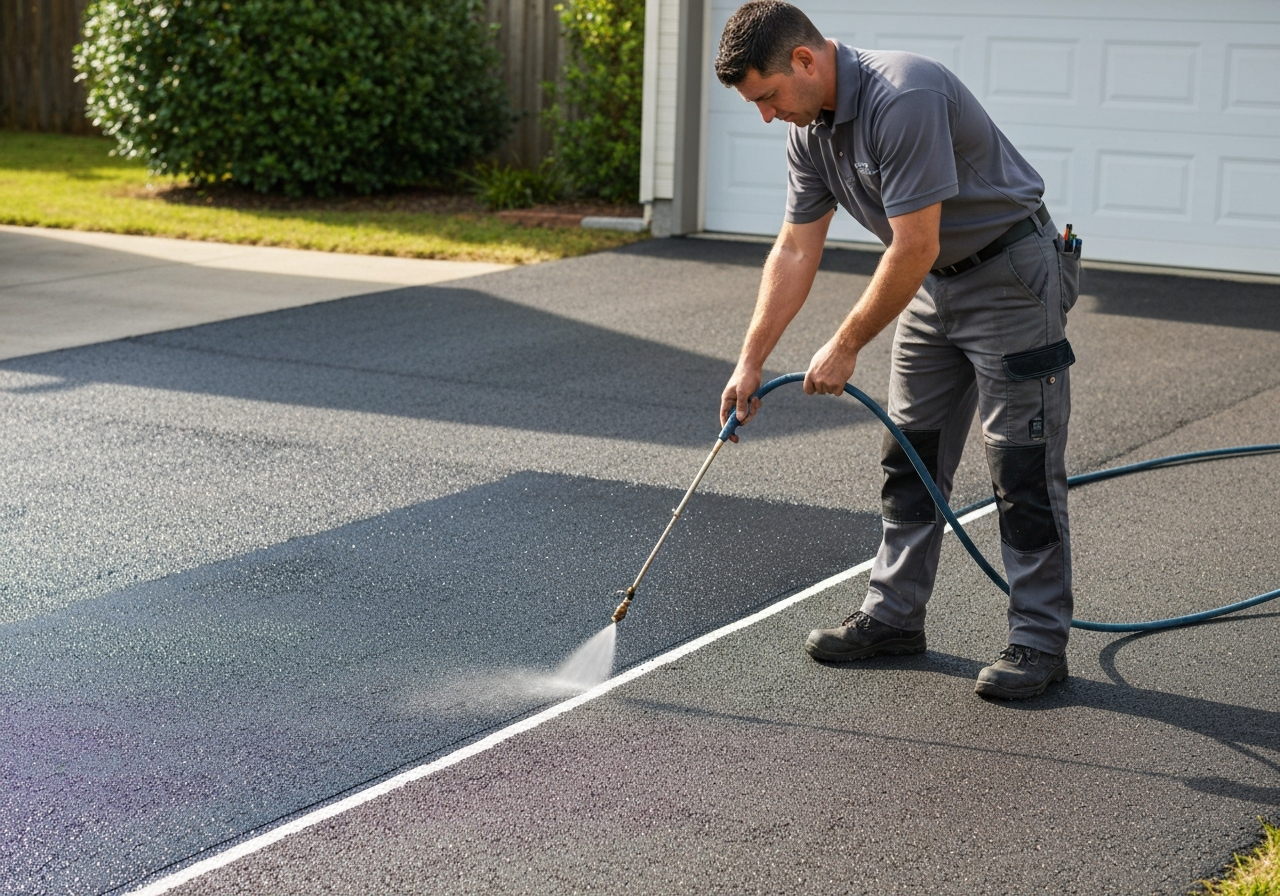
Concrete must be clean before sealer is applied. Dirt, organic growth, oils, winter residue, loose material, and old contaminants can prevent proper penetration. When needed, we recommend professional pressure washing before sealing so the surface is ready to accept the sealer evenly.
Repair Assessment
Before sealing, we assess visible cracks, spalled areas, pitting, scaling, and other surface damage. Concrete sealing helps protect the surface, but it does not rebuild missing concrete or hide existing deterioration. If repairs are needed, we explain what can reasonably be improved before sealing and what should be monitored over time.
Sealer Selection and Application
We select the appropriate concrete sealer based on the surface, exposure, condition, and finish goals. For most exposed exterior concrete, a penetrating silane/siloxane-style sealer is the practical choice because it protects against moisture intrusion without creating a film. Application methods may vary depending on the surface, but the goal is consistent coverage and proper absorption.
Cure Time and Return to Use
After application, the sealer needs time to cure before the surface sees regular use. Light foot traffic may be possible sooner than vehicle traffic, but timing depends on product, weather, temperature, and surface conditions. We provide clear guidance before we leave so you know when to walk, park, wash, or expose the surface to moisture.
More Surface Protection Options
Paver Sealing
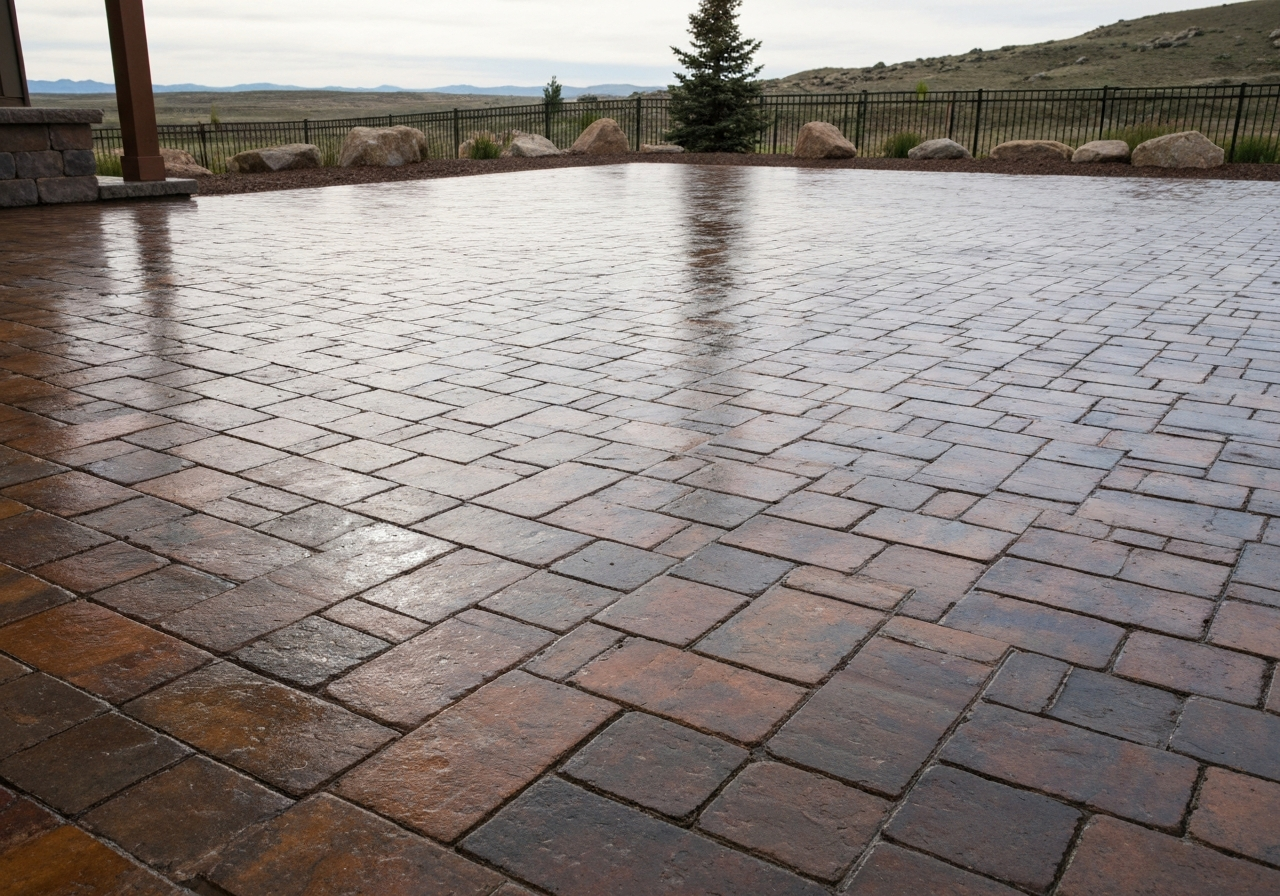
Pavers face many of the same problems as exterior concrete: water absorption, joint sand loss, staining, freeze-thaw movement, and surface wear. Our paver sealing service helps protect paver patios, walkways, and drive areas while improving long-term maintenance.
Learn more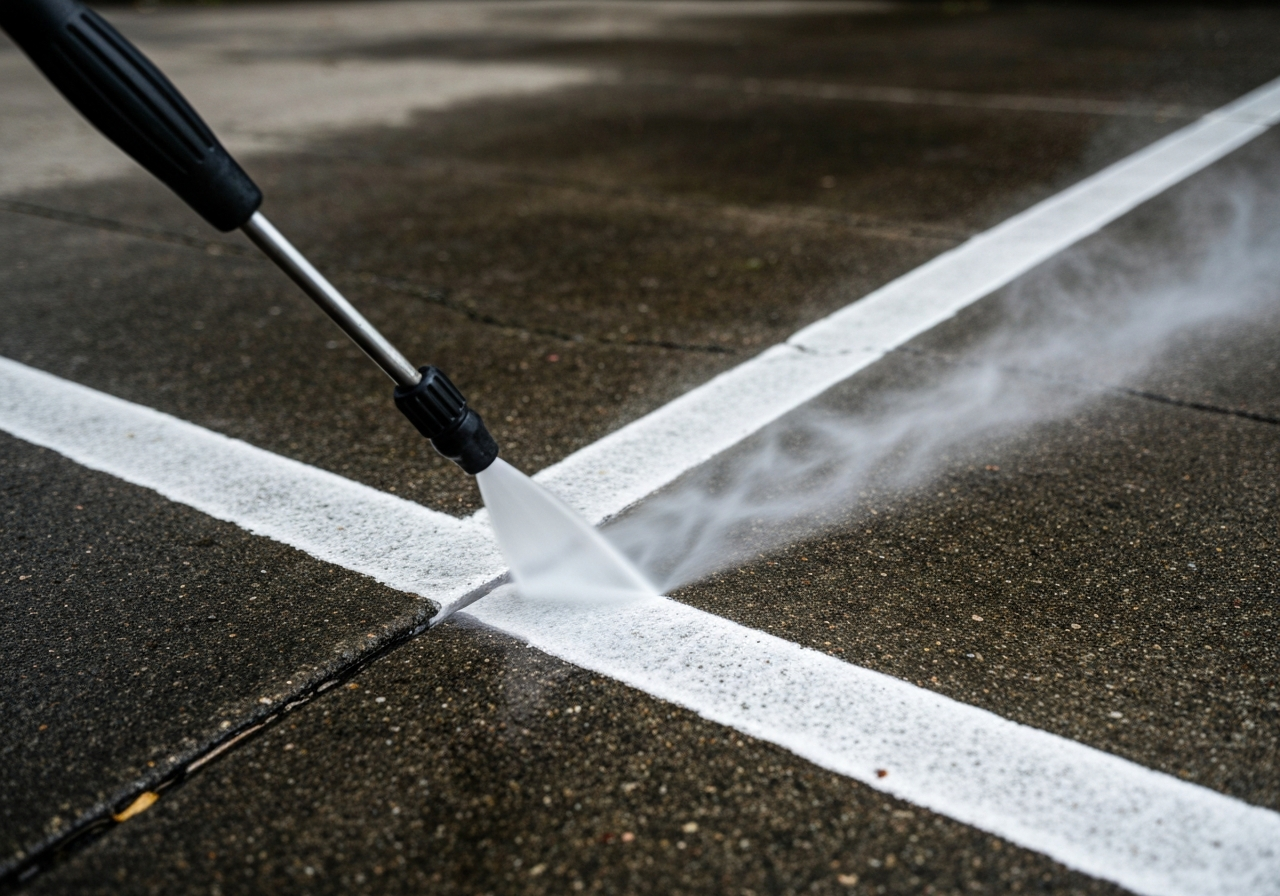
Pressure Washing
A sealer is only as good as the surface it is applied to. Professional pressure washing helps remove dirt, winter residue, organic buildup, and loose material before sealing. This is especially important for driveways, walkways, patios, and steps that have been exposed to years of Montana weather.
Learn more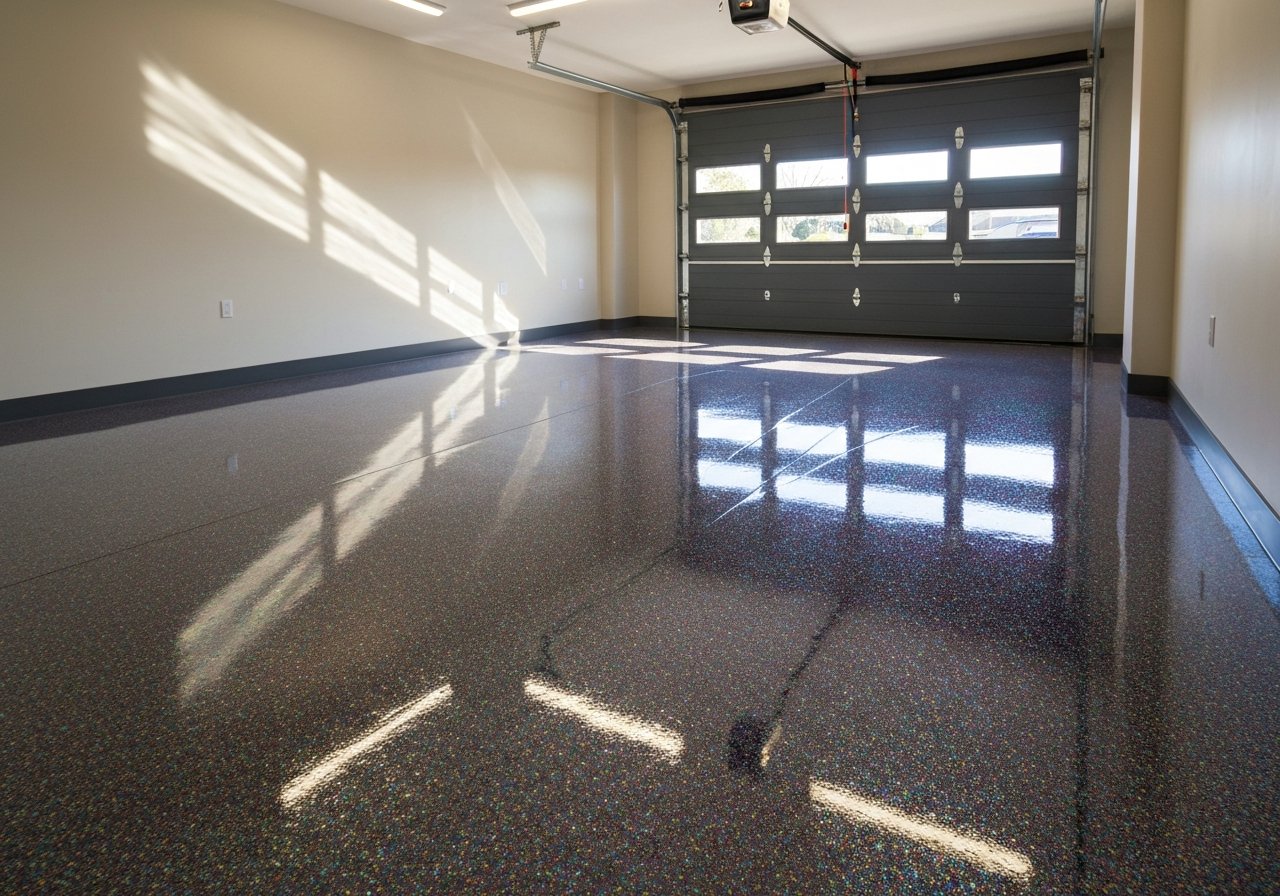
Concrete Coating
For garages, shops, basements, and protected slabs, a coating system may provide the cleanable, durable finish you are looking for. Our concrete coating services include options designed for existing concrete that needs a stronger surface upgrade than a penetrating sealer can provide.
Learn moreProfessional Concrete Sealing vs. DIY Store-Bought Sealer
Store-bought concrete sealer can be tempting because it looks simple: clean the surface, roll it on, and let it dry. The problem is that exterior concrete in the Flathead Valley is not always simple. Surface condition, moisture content, temperature, previous sealers, cleaning quality, and product selection all affect the final result.
| Category | DIY Store-Bought Sealer | Professional Penetrating Sealing |
|---|---|---|
| Evaluation | Often skipped; surface is assumed ready to seal. | Surface inspected for drainage, spalling, old sealers, and moisture issues. |
| Product selection | Generic film-forming acrylics often used on fully exposed slabs. | Penetrating silane/siloxane sealers selected for breathable freeze-thaw protection. |
| Prep quality | Basic hose rinse or light washing; deep contaminants may remain. | Professional pressure washing to remove dirt, oils, and winter residue. |
| Application | Rolled or sprayed unevenly, often trapping moisture if concrete isn't dry. | Applied with controlled coverage rates during correct weather windows. |
| Freeze-thaw performance | Film can trap moisture, increasing risk of spalling or peeling. | Reduces water absorption while allowing the concrete to breathe. |
| Risk of peeling/whitening | High risk if moisture is trapped under a cheap film-forming sealer. | Very low risk because penetrating sealers soak in rather than sitting on top. |
A common DIY mistake is using the wrong type of sealer for a fully exposed surface. Some film-forming sealers can look good at first but may become slippery, peel, whiten, or trap moisture when used in the wrong environment. Other products may not penetrate deeply enough to offer meaningful freeze-thaw protection.
Professional sealing starts with evaluation. We look at whether the surface is sound enough to seal, whether it needs cleaning, whether existing damage changes the recommendation, and whether a natural-finish penetrating sealer or another system makes sense. That practical judgment matters as much as the product itself.
DIY sealer may be fine for small, low-risk areas when the surface is clean, dry, and in good shape. For driveways, garage aprons, steps, exposed patios, and walkways that see snow, ice, salt, and vehicle traffic, professional preparation and application can help avoid costly mistakes.
Where We Serve
Streamline Solutions provides concrete sealing and surface protection services throughout the Flathead Valley and nearby Northwest Montana communities.
We also serve properties throughout Flathead County and the surrounding valley when the project is a good fit. Missoula is available for commercial projects only.
Because we are a service-area business, we come to your property to inspect the surface and provide practical recommendations. There is no storefront visit required.
Concrete Sealing Cost in Kalispell and the Flathead Valley
Concrete sealing cost depends on surface size, condition, cleaning needs, access, previous sealer, repair concerns, and the type of product being applied. Most exterior concrete sealing projects are priced by the square foot, but the final number depends heavily on preparation. Read our full guide on concrete sealing pricing to learn what drives the cost.
As a general planning range, professional penetrating concrete sealing often falls around $1.25 to $3.50 per square foot for many residential exterior surfaces. Smaller projects, heavily soiled surfaces, difficult access, multiple areas, significant prep needs, or specialty finish requests can move pricing outside that range.
Driveways are often more cost-efficient per square foot than small steps or narrow walkways because larger open areas are easier to clean and seal efficiently. On the other hand, a driveway with oil staining, heavy winter residue, pitting, old sealer, or poor drainage may require additional preparation before sealing.
The biggest cost drivers are usually:
- Total square footage
- Cleaning and preparation requirements
- Surface condition and visible damage
- Previous sealer or coating residue
- Access and layout
- Product type and finish goal
- Timing, weather, and cure conditions
The most accurate way to price concrete sealing is to review the surface and ask a few practical questions about drainage, age, winter exposure, and what you want the sealer to accomplish.
For a phone quote or to discuss whether your driveway, walkway, patio, apron, steps, or slab is a good candidate for sealing, call 406-909-4342.
Pros and Cons of Penetrating Concrete Sealing
Pros
- Practical protection that helps reduce water absorption.
- Supports freeze-thaw resistance and protects against moisture-driven surface damage.
- Does not create a glossy film that can peel or become slippery.
- Preserves the natural appearance of the concrete.
- Less likely to peel because it is not designed to sit as a thick layer on top of the slab.
Cons
- Will not hide pitting, patch discoloration, cracks, stains, or existing spalling (it is protection, not decoration).
- Requires maintenance; surfaces should be evaluated for resealing every 3 to 5 years.
- High-wear areas may need attention sooner depending on exposure and deicer use.
- Not a decorative finish for customers who want a flake floor, color system, or glossy surface.
Best For
Concrete sealing is a good fit for existing exterior concrete that is still structurally serviceable and needs moisture protection. This includes driveways, sidewalks, walkways, steps, garage aprons, exposed patios, and exterior slabs that face snow, ice, rain, UV, and seasonal freeze-thaw cycles.
It is also a strong option for homeowners who want a natural finish rather than a decorative coating. If the goal is to reduce water absorption, slow down pitting and scaling, and help the concrete hold up better through winter, penetrating sealing is often the right starting point.
Not Recommended For
Concrete sealing is not recommended as a way to hide serious surface damage. If the slab is badly spalled, crumbling, deeply cracked, heaving, or structurally failing, a sealer will not reverse that damage. It may still reduce absorption in remaining sound areas, but expectations need to be realistic.
Penetrating sealing is also not the right choice when the customer wants a decorative flake floor, color system, glossy surface, or heavy wear layer. In those situations, a protected-area coating may make more sense. Garages, shops, and covered patios should be reviewed for concrete coating or patio coating options instead.
Our Recommendation
For exposed exterior concrete in Kalispell and the Flathead Valley, we usually recommend starting with the least dramatic solution that solves the real problem. If your driveway, walkway, garage apron, steps, or exposed patio is absorbing water and facing freeze-thaw damage, a penetrating concrete sealer is often the most practical way to protect it.
It will not make old concrete look brand new, and it will not cover existing pitting or spalling. What it can do is help reduce the moisture absorption that leads to more damage during Montana winters.
If your surface is protected and you want a decorative, cleanable finish, we may recommend a coating instead. If your concrete is fully exposed, we will usually talk first about cleaning, preparation, and penetrating protection.
— Kalispell Concrete Surface Protection Specialists
Concrete Sealing & Winter Guides
Why Concrete Spalls and Flakes in Montana Winters
Freeze-thaw, road salt, and weak surface paste explained.
Read the guideHow to Protect Your Concrete Before a Montana Winter
A pre-winter clean, repair, and seal checklist.
Read the guideHow Often Should You Seal a Concrete Driveway in Montana?
Resealing intervals and signs your sealer has worn off.
Read the guideSpring Concrete Cleanup: Pressure Washing & Resealing
Remove salt and grime, inspect, and reseal after winter.
Read the guide