
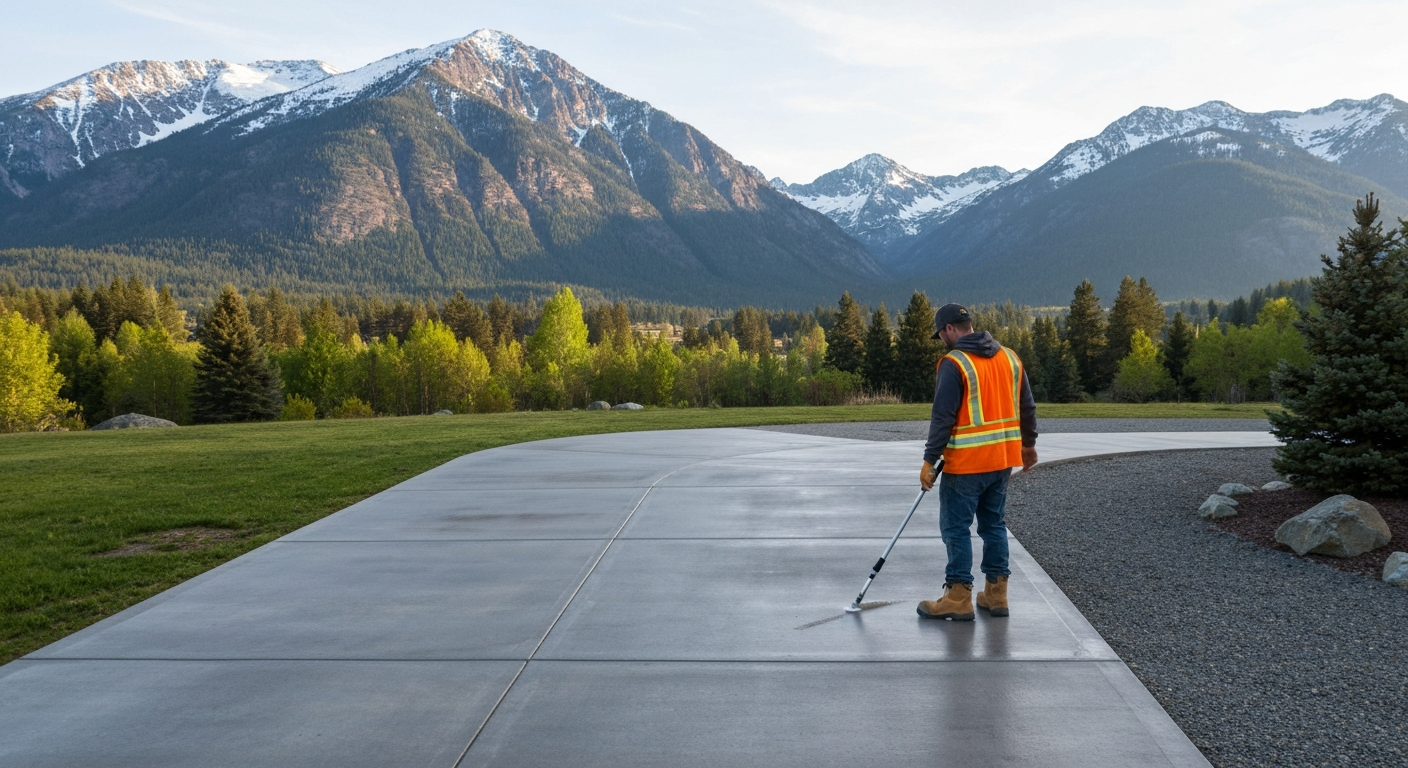
Concrete Driveway Sealing in Kalispell & the Flathead Valley
Concrete driveway sealing Kalispell homeowners trust starts with understanding what Flathead Valley weather does to an existing driveway. A properly chosen driveway sealer Flathead Valley residents can rely on helps limit water absorption, reduce salt and de-icer damage, and protect the surface through repeated snow, thaw, and refreeze cycles.
Flathead Winters Are Hard on Unsealed Driveways
Concrete driveways in Kalispell and the Flathead Valley face a specific kind of wear. The issue is not just "cold weather." It is the combination of moisture, freezing temperatures, road salt, de-icer brine, plowed snow, snowmelt, and repeated temperature swings around the freezing point.
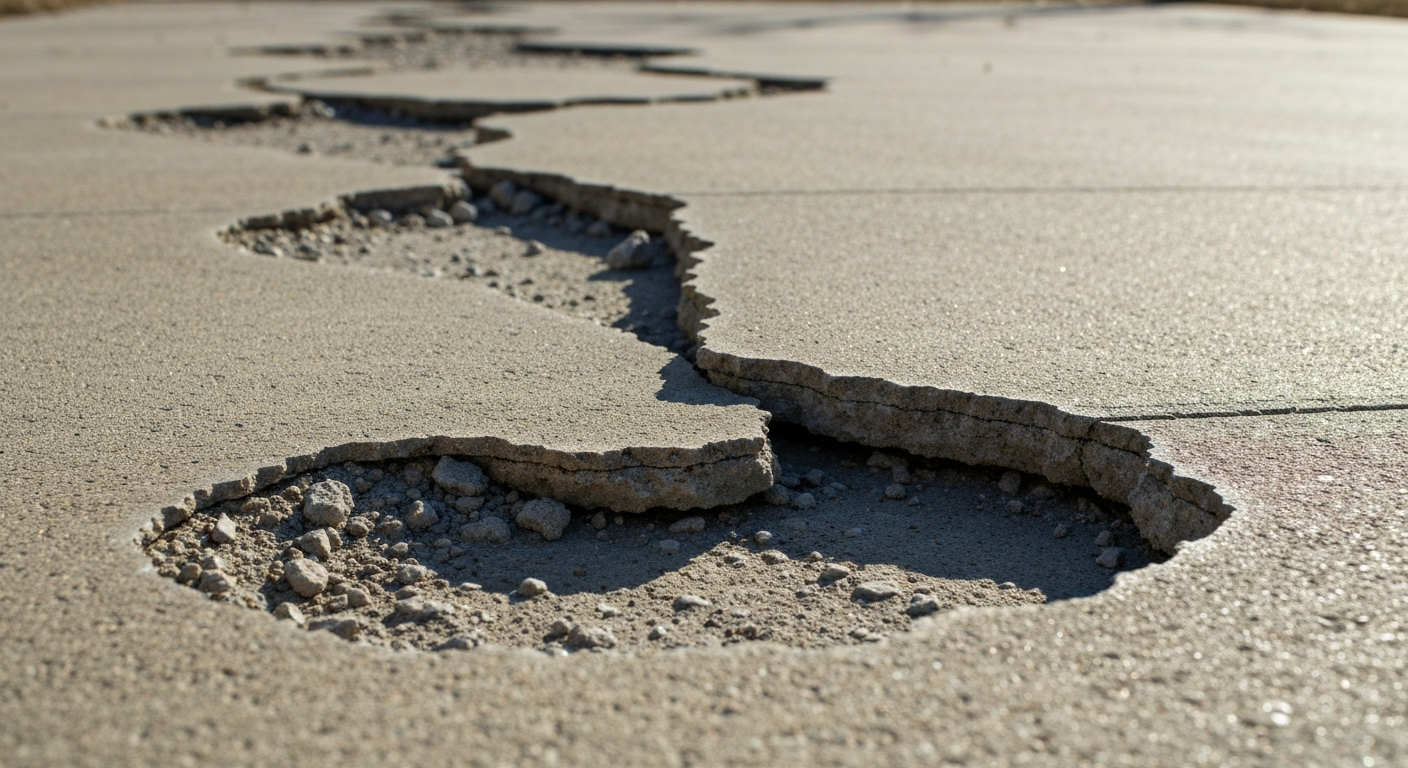
An unsealed driveway naturally absorbs water through its pore structure, surface wear, hairline cracks, control joints, and open edges. During a mild winter afternoon, snowmelt can soak into the surface. When temperatures drop again overnight, that trapped moisture freezes. Because water expands as it turns to ice, the concrete surface experiences pressure from inside the pores. Over time, that pressure can contribute to scaling, pop-outs, pitting, and spalled patches.
Road salt and de-icers make the problem more aggressive. Vehicles pick up chloride brine from plowed roads, parking lots, and highway shoulders, then deposit it onto the driveway. That brine sits near garage aprons, parking areas, tire paths, and low spots where meltwater collects. Deicing chemicals are known to increase surface saturation and worsen freeze-thaw scaling risk in concrete exposed to winter moisture.
Flathead driveways also see practical physical wear. Snowplows scrape the surface. Shovels catch on slightly raised spots. Studded tires, gravel, and tracked-in grit abrade the top layer. Long driveways in rural areas often see more sanding material and runoff. Steep mountain-home drives may move meltwater quickly across the slab, while lakeshore homes may deal with shaded areas, drifting snow, and prolonged dampness.
Sealing cannot erase existing deterioration, but it can reduce how quickly new moisture and brine enter the surface. For a driveway that still has sound concrete, sealing is one of the most practical ways to slow seasonal damage before it becomes expensive replacement work.
Practical Surface Protection
Streamline Solutions focuses on protecting existing concrete driveway surfaces with penetrating sealer systems selected for Northwest Montana conditions. For most driveways, the preferred approach is a silane or siloxane penetrating sealer rather than a topical film-forming coating.
A penetrating silane/siloxane sealer is designed to soak into the concrete and react within the pore structure. Instead of sitting on top like a shiny layer, it bonds below the surface to create water repellency while allowing the slab to breathe. This distinction matters on a driveway. A driveway has vehicle tires, turning pressure, snow removal, grit, temperature swings, and regular wet-dry cycling. A slick surface film can wear unevenly, peel, trap moisture, or create traction concerns when wet or icy.
Penetrating chemistry fits the way a Flathead driveway is used. It provides protection while keeping the driveway's natural texture largely intact. It is typically transparent, non-glossy, and practical for concrete that sees real winter service. Silane and siloxane products are commonly used to reduce water and chloride intrusion, and some industry sources describe them as especially useful for freeze-thaw and de-icer exposure.
This page is part of the broader concrete sealing lane at Streamline Solutions. Driveway sealing often pairs well with winter concrete protection for homeowners who want a more complete seasonal maintenance plan. When a driveway needs surface preparation before sealing, pressure washing may be part of the process. For properties with paver borders, walkways, patios, or approaches, paver sealing may also be recommended as a separate surface-protection service.
Benefits of Concrete Driveway Sealing
A sealed driveway is better prepared for Montana weather.
Resists Spalling and Surface Scaling
By reducing absorption at the surface, a penetrating sealer helps limit the amount of moisture available to freeze inside the concrete pores. Less saturation means less internal freeze pressure, slowing the cycle that leads to scaling and spalling.
Repels Salt and De-Icer Brine
A penetrating driveway sealer helps reduce how readily chloride brine and de-icer residue soak into the concrete. This matters most near the garage apron, parking pads, tire paths, and low-drainage areas.
Sheds Snowmelt Instead of Absorbing It
When the surface is unsealed, water can soak in quickly. A properly applied penetrating sealer encourages water to bead and shed, helping the surface dry more efficiently between storms and thaw cycles.
Keeps the Driveway Looking Maintained
The right penetrating product keeps the surface closer to its natural appearance while helping reduce the dark, blotchy, saturated look that often appears after meltwater or rain.
Defers Costly Replacement
Concrete driveway replacement is disruptive and expensive. Sealing is a preventative maintenance step that helps protect the driveway already in place, avoiding letting small surface issues become major structural concerns.
Local Depth: Freeze-Thaw, Road Salt, and Flathead Driveways
Flathead Valley driveways are exposed to a pattern that is especially hard on concrete: snow falls, vehicles compress it, plows push it, sunlight or daytime temperatures melt it, and cold nights freeze it again. This may happen many times in one season. The driveway is not just cold; it is repeatedly wet, contaminated, frozen, and thawed.
Concrete is porous. Even dense, well-finished concrete has tiny capillaries and surface openings. As the driveway ages, abrasion, UV exposure, winter wear, and micro-cracking can make the surface more open. When water enters unsealed concrete, it can move into those pores and hairline cracks. If the temperature drops below freezing while the concrete is saturated, the water turns to ice and expands. That expansion creates pressure near the surface. Over enough cycles, the top layer can begin to loosen, flake, pit, or spall.
Chloride de-icers add another layer of concern. Brine can stay liquid at lower temperatures, which keeps moisture active on the driveway longer. It can increase saturation near the surface, and repeated de-icer exposure is widely associated with scaling risk in concrete exposed to freezing and thawing.
The most vulnerable areas are usually easy to identify. Garage aprons often show early wear because vehicles drip brine and meltwater there. Tire lanes can darken and pit because they receive repeated concentrated exposure. Low spots hold water longer. Shaded sections near trees, retaining walls, north-facing garages, and snowbank edges may stay wet well after the rest of the driveway dries. Steep mountain-home drives can also show erosion patterns where runoff repeatedly moves across the same path.
A penetrating sealer helps by changing how readily the surface accepts water. Instead of soaking in quickly, water beads and sheds more easily. The concrete can still breathe, but the surface becomes less absorbent. This is why a sealed driveway is better positioned for Montana winters than a bare, thirsty slab.
Where Driveway Sealing Applies Across the Valley
Driveway sealing is useful for many property types in and around Kalispell. Standard residential driveways benefit from protection at the garage apron, parking area, and tire paths. These zones receive the most vehicle drip, de-icer residue, and winter meltwater.
Steep mountain-home driveways need special attention because water moves quickly across the surface. Runoff can carry grit and brine downhill, concentrating wear in channels and low areas. A penetrating sealer can help reduce water absorption while preserving practical traction.
Lakeshore-property approaches often face moisture from shaded conditions, drifting snow, and longer damp periods. Homes near Flathead Lake, Echo Lake, and other local water corridors may see different drying patterns than open in-town driveways. Sealing helps the concrete shed moisture more readily instead of staying saturated.
Long rural drives and extended approaches also benefit from sealing, especially where vehicles carry gravel, sand, and winter road residue onto the concrete. The more surface area a driveway has, the more important it becomes to plan maintenance before widespread scaling starts.
Process: How Driveway Sealing Works
A systematic approach to protecting your concrete investment.
Inspect and assess the existing driveway surface
Streamline Solutions begins by reviewing the driveway's condition, including age, surface wear, existing spalling, pitting, cracks, drainage, shaded areas, slope, and exposure to winter road residue. The assessment helps determine whether the driveway is a good candidate for sealing and what preparation is needed before application.
Clean or pressure wash the surface and allow proper drying time
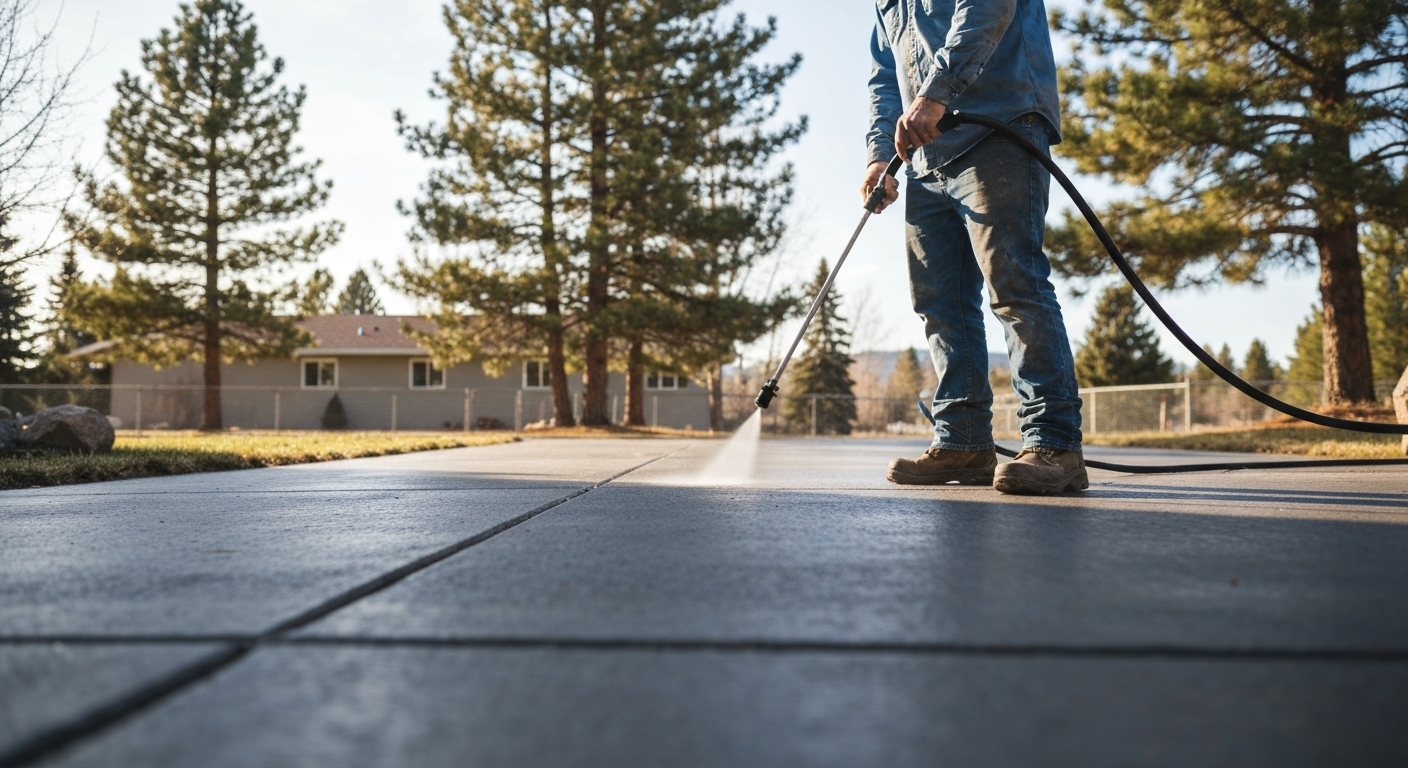
Sealer should not be applied over dirt, dust, loose grit, moss, oil residue, or winter contamination. When needed, the driveway is cleaned with appropriate pressure washing and surface preparation. The concrete must then dry adequately because penetrating sealers need access to the pore structure to work correctly.
Address cracks and prepare problem areas
Cracks, open joints, and loose surface material are reviewed before sealing. Some cracks may need cleaning, routing, filling, or additional preparation depending on size and condition. Sealing helps reduce water absorption through the surface, but it is not a structural crack repair and should be paired with sensible prep when needed.
Apply the penetrating sealer in proper conditions
Application timing matters in Northwest Montana. The surface should be dry, temperatures should be within the product's recommended range, and rain or freezing conditions should not be imminent. Streamline Solutions applies the sealer evenly so it can penetrate instead of puddling, flashing too quickly, or leaving inconsistent coverage.
Allow the sealer to cure
After application, the driveway needs time before normal vehicle use. Dry-to-touch time and return-to-service timing depend on the product, weather, temperature, humidity, sun exposure, and surface density. A typical driveway may need foot-traffic caution the same day and vehicle traffic held off for about 24–48 hours, depending on conditions.
Complete a final walkthrough
Once the work is complete, the driveway is reviewed for coverage, drying, visible issues, and care instructions. Streamline Solutions explains what to expect, how to avoid early exposure, and how to maintain the driveway through winter.
Related Sealing Services
Explore our other surface protection solutions in the Flathead Valley.
Winter Concrete Protection
Prepare your concrete for the harsh Montana winter. Protect against snowmelt, freeze-thaw cycles, and road salt before the cold sets in.
Learn moreWet Look Sealer
Enhance the natural color of your concrete or pavers with a rich, dark finish while providing durable surface protection.
Learn moreConcrete Sealing Hub
View our full range of concrete sealing services for patios, walkways, pool decks, and commercial spaces.
Learn moreMyth vs. Reality
Clear facts about concrete driveway sealing.
Service Area
Streamline Solutions is based in Kalispell and serves existing concrete driveway sealing projects across the Flathead Valley and surrounding Northwest Montana communities.
Cost: What Affects Driveway Sealing Pricing
Driveway sealing cost depends on the actual surface, not just the address. A small, clean, newer driveway with easy access requires a different scope than a long rural drive with heavy pitting, oil staining, open cracks, and multiple drainage concerns.
- Size of the surfaceLarger driveways require more cleaning time, more sealer, more labor, and more application planning. Layout also matters. A simple rectangular driveway is usually more efficient than a steep, divided, curved, or multi-pad driveway with retaining walls, tight edges, or difficult access.
- Surface conditionA driveway with dirt, moss, stains, loose scaling, or winter residue needs more preparation before sealing. Surface prep is not optional. If a sealer is applied over contamination, it may not penetrate correctly or protect evenly.
- Sealer type and application ratePenetrating sealers vary by chemistry, concentration, substrate suitability, and coverage rate. A dense driveway may accept less material than a more porous, weathered surface. Some driveways may need heavier saturation or a second-pass approach depending on absorption and exposure.
- Crack and joint preparationSealing the surface is different from repairing cracks, but open cracks and joints can allow water intrusion. When those areas need attention, they should be discussed before the sealing scope is finalized.
Is Sealing Right For Your Driveway?
Best For
- Driveways with sound concrete
- Garage aprons with heavy brine exposure
- Lakeshore and mountain-home approaches
Not Recommended For
- Actively deteriorating or unstable concrete
- Freshly poured slabs not yet cured
Driveway Sealing Realities
The Pros
- Reduces water absorption and slows freeze-thaw damage
- Repels de-icer brine and road salt
- Preserves natural texture (not a slippery film)
- Practical for tires and snow removal
The Cons
- Cannot repair existing spalling or structural damage
- Requires proper timing and a fully dry surface
- Must be reapplied every 3–5 years
Streamline Solutions Recommendation
"For Flathead Valley driveways, the best sealing plan is usually preventative rather than reactive. Seal the driveway while the surface is still mostly sound, keep de-icer residue from sitting longer than necessary, avoid aggressive salt use near the garage apron, and inspect the surface each spring after snowmelt. A penetrating silane/siloxane sealer is a practical choice for most existing concrete driveways because it protects below the surface without creating a glossy traffic film."
— Streamline Solutions, Kalispell, MT
Ready to Protect Your Driveway?
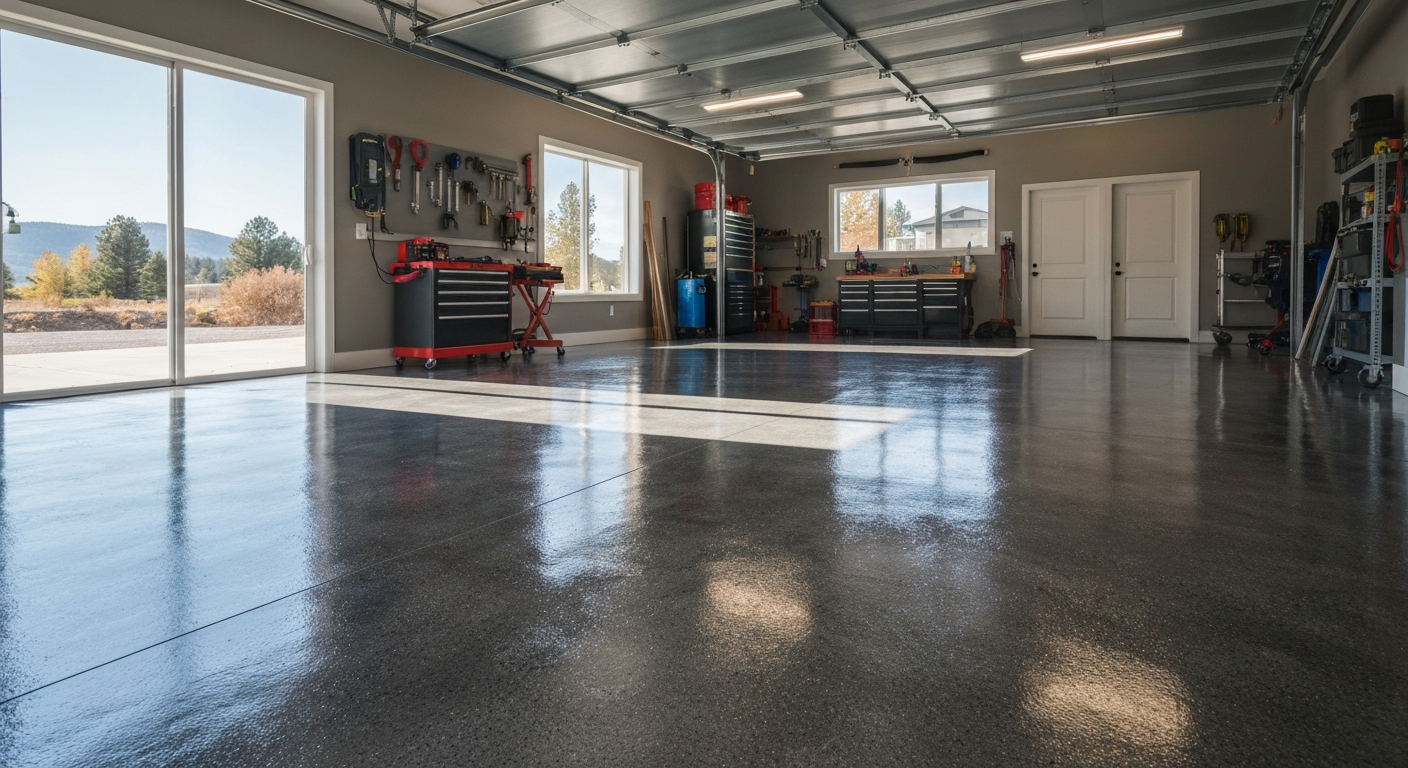
A sealed driveway is easier to maintain, better prepared for winter moisture, and less vulnerable to the repeated saturation that leads to scaling and spalling.
Be our first Flathead Valley review.
FAQs About Driveway Sealing
Common questions from homeowners in Kalispell and the Flathead Valley.
