
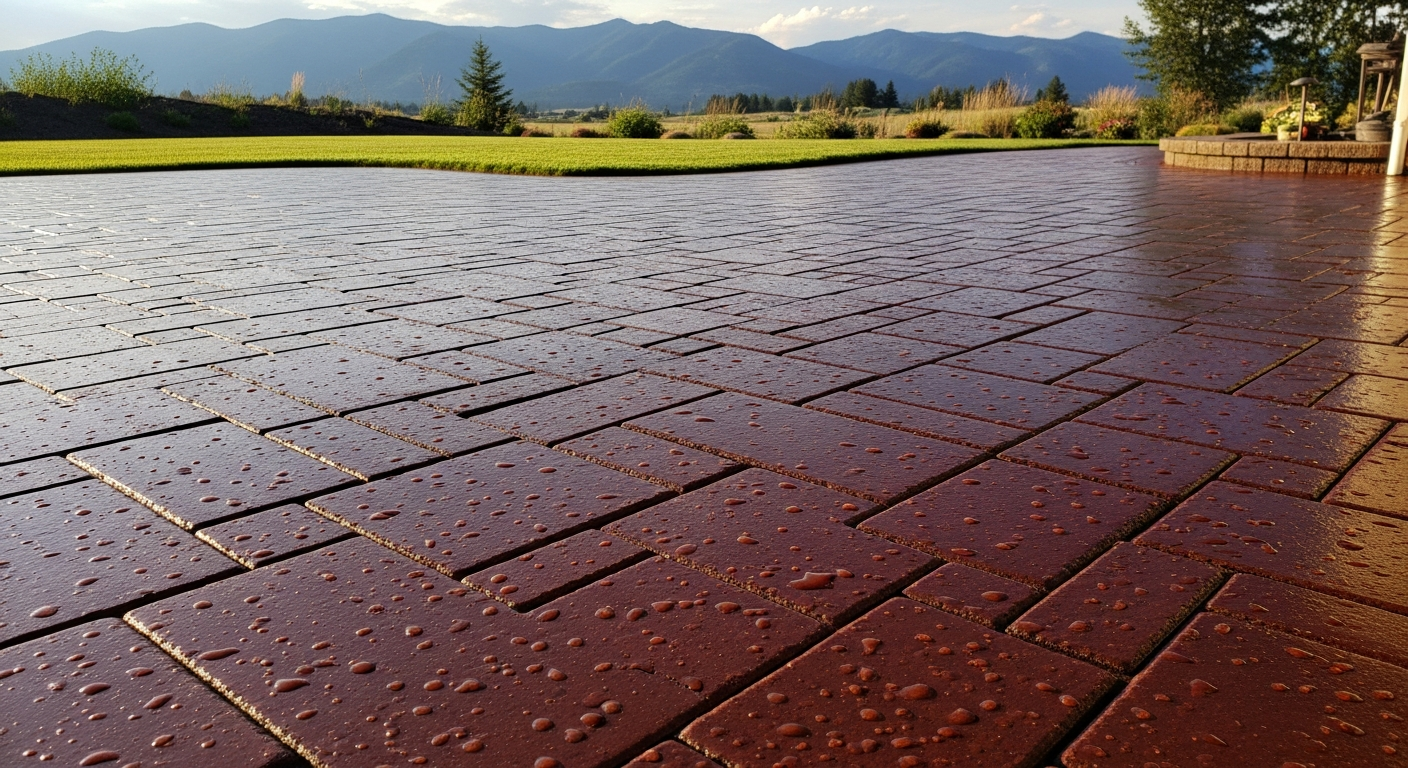
Paver Sealing in Kalispell & the Flathead Valley
Streamline Solutions provides paver sealing in Kalispell and across the Flathead Valley for patios, walkways, driveways, pool decks, and lakeshore hardscapes that need protection from Montana freeze-thaw, snowmelt, joint-sand washout, and faded color.
Re-seal every 3-5 years
Prep-first process
Licensed & insured
Kalispell & Flathead Valley
The Problem with Unsealed Pavers in Northwest Montana
As Concrete Surface Protection Specialists, we clean, re-sand, stabilize, and seal paver surfaces so they hold up better through Northwest Montana winters and look sharper through the summer UV season.
If your pavers are shifting, growing weeds, turning dull, showing white efflorescence, or losing sand after snow and rain, sealing is the practical next step. A properly prepared paver sealing job helps lock polymeric joint sand in place, reduce weed and ant activity in the joints, resist staining, and give you the finish you actually want-natural matte, color-enhanced, or wet-look.
Flathead Valley pavers live in a harsher climate than they were designed for on paper. Around Kalispell, Whitefish, Bigfork, Somers, Flathead Lake, and shaded mountain-home properties, the issue is not only appearance. The real problem is water getting into joints, freezing, expanding, carrying sand away, and slowly turning a tight patio or walkway into a surface that looks tired, uneven, and harder to maintain.
Pavers in the Flathead Valley take a beating from both ends of the weather calendar. Winter brings heavy snow, packed ice, snowmelt, and de-icing salt. Summer brings intense UV, dry heat, patio use, irrigation overspray, and foot traffic. Without sealing, that cycle slowly pulls the surface apart.
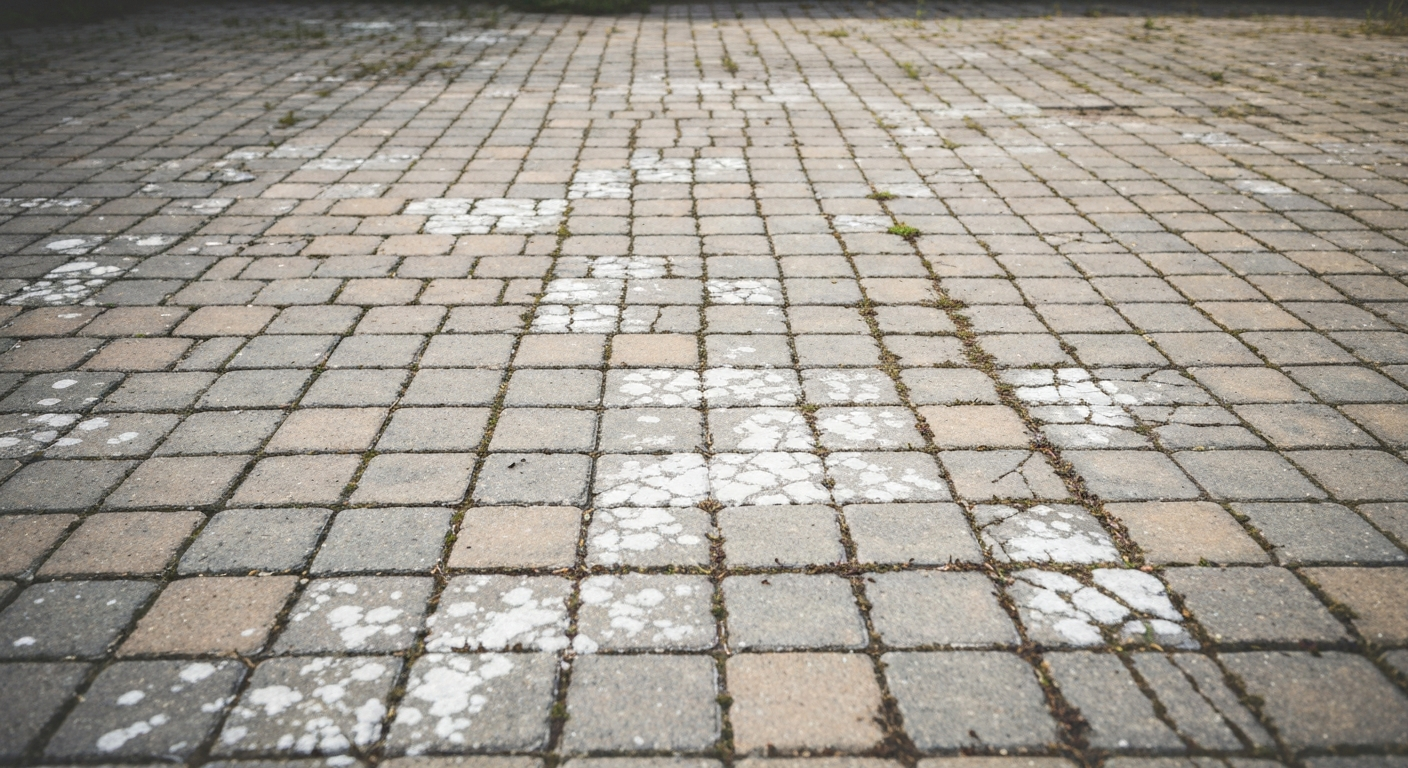
The first sign is often joint-sand loss. Snowmelt runs through the joints, carries sand away, and leaves gaps where weeds and ants can move in. Once the joints open up, the pavers have more room to shift, rock, and heave. What started as a clean patio can turn into a surface with uneven edges, low spots, and weeds that keep coming back no matter how often you pull them.
De-icing salt adds another layer of damage. Salt can draw moisture into the surface, leave residue, and contribute to spalling or surface wear when freeze-thaw cycles repeat. In shaded areas near Flathead Lake, Whitefish Lake, Bigfork, Somers, and mountain-home patios, moss and algae can hold moisture against the pavers even longer. That is why lakeshore paver patios often need more than a rinse; they need proper cleaning, dry-out time, joint stabilization, and a sealer selected for the actual setting.
Efflorescence is another common issue. The white haze or chalky bloom that appears on pavers can make even newer hardscapes look old. It does not always mean the pavers are failing, but it does mean the surface should be evaluated before sealing. Sealing over trapped moisture, residue, or active efflorescence is a shortcut, and shortcuts do not hold up well through Montana winters.
Our Paver Sealing Services
We protect and seal existing surfaces.
Patio & Walkway Paver Sealing
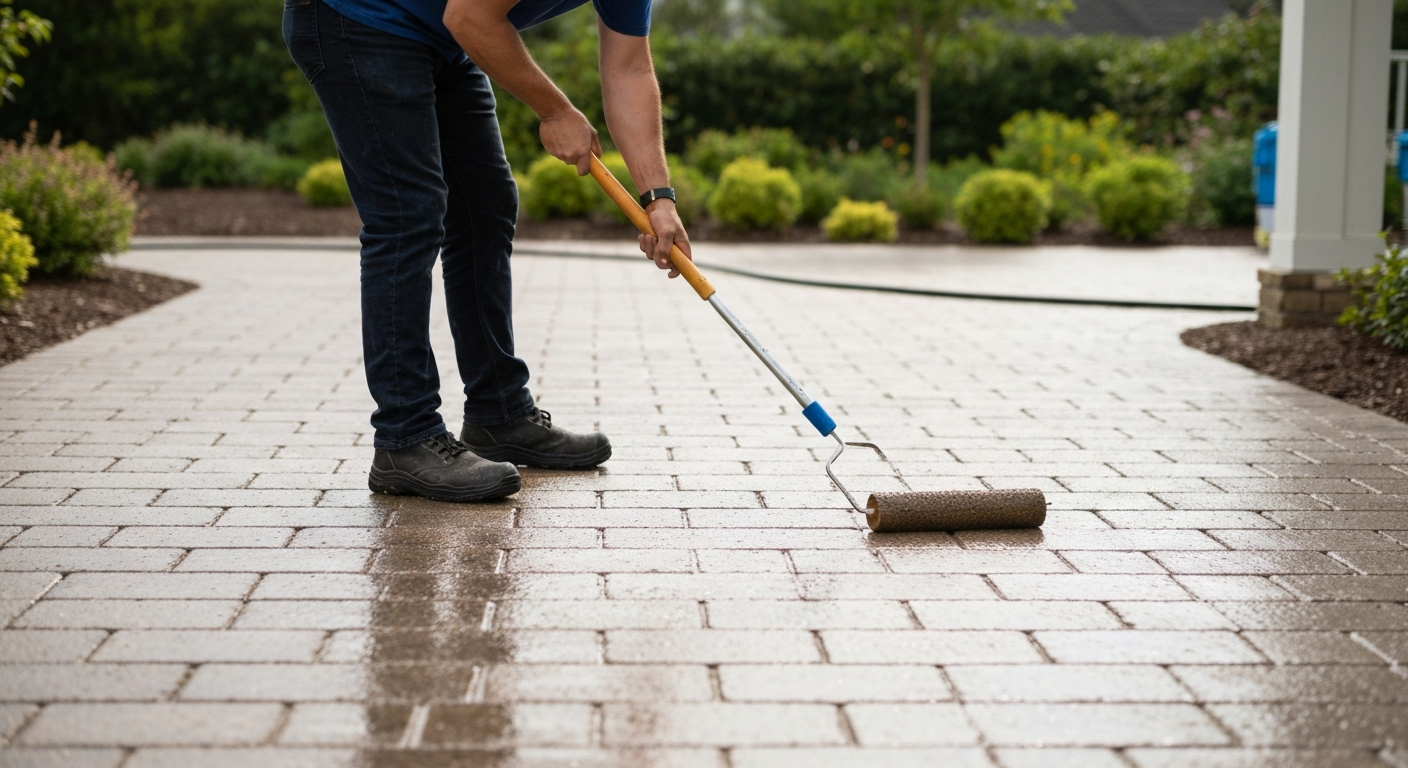
A sealed paver patio or walkway is easier to maintain, better protected from joint washout, and cleaner-looking through the snowmelt and summer-use seasons. For Flathead Valley homes, we focus on cleaning the surface, restoring the joints, and applying a sealer that fits the exposure-sunny Kalispell patios, shaded Whitefish entries, or lakeside walkways near Bigfork and Somers. This service is ideal when your patio still has a good base but is starting to look faded, sandy, weedy, or uneven at the joints. The goal is to protect the existing surface before small problems turn into bigger repairs.
Driveway Paver Sealing
Paver driveways see heavier pressure from vehicles, plows, snow piles, tire marks, and de-icing salt. A driveway sealing project needs careful prep because the surface has to handle weight, runoff, and winter maintenance without trapping grime or residue under the sealer. We clean the surface, address joint loss, and recommend a finish that makes sense for the driveway's use. On high-traffic paver driveways in Kalispell and across the valley, function matters as much as appearance.
Wet-Look & Color-Enhancing Paver Sealing
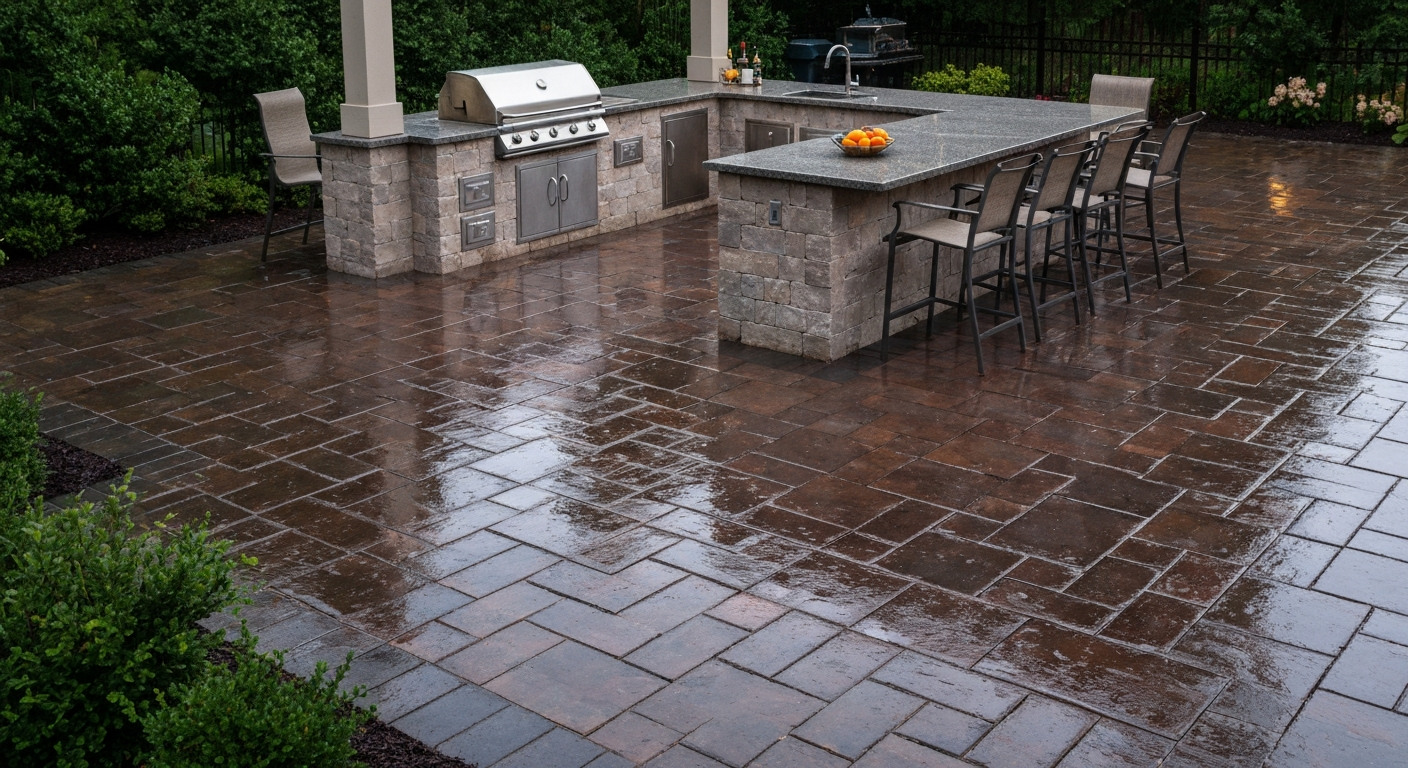
Wet-look and color-enhancing sealing can bring faded pavers back to life without changing the hardscape itself. This finish is popular for patios, outdoor kitchens, pool decks, and lakeshore entertaining areas where homeowners want richer color and a more finished look. The key is choosing the right product and applying it only after the pavers are clean, dry, and ready. For a deeper breakdown of finish options, visit wet-look paver sealer.
Joint Stabilization & Re-Sanding
Many paver problems start in the joints, not on the face of the paver. When joint sand washes out, weeds, ants, water, and movement follow. Re-sanding with polymeric joint sand helps lock the pavers together and gives the sealer a better system to protect. This step is especially important in the Flathead Valley because snowmelt and freeze-thaw movement can punish loose joints. We do not treat re-sanding as an optional cosmetic add-on when the surface clearly needs it.
Pool-Deck & Lakeshore Paver Sealing
Pool decks and lakeshore patios need special attention because they deal with water, shade, bare feet, algae, moss, and frequent summer use. Around Flathead Lake, Whitefish Lake, and shaded mountain properties, moisture can linger in the joints and on the surface longer than it does on open, sunny patios. We evaluate slip concerns, finish preference, drainage, shade, and existing growth before recommending a sealer. The goal is a protected surface that looks good without creating a finish that is wrong for wet-use areas.
Cleaning & Restoration Before Sealing
A sealer is only as good as the surface underneath it. Before sealing, pavers often need a deep wash, weed removal, efflorescence treatment, and full dry-out time so the coating or penetrating product bonds correctly. For surfaces with heavy buildup, staining, moss, or old residue, our prep process includes thorough cleaning and restoration before any sealer is applied. If the surface is existing concrete rather than pavers, concrete sealing is the sibling service designed for driveways, patios, walkways, and other hard surfaces.
Benefits of Paver Sealing
Locks joint sand
Proper cleaning, re-sanding, and sealing help stabilize joints so they resist washout from heavy rain and snowmelt.
Blocks weeds & ants
By sealing the joints, you give weeds and ants less loose material and open space to take over your patio or walkway.
Resists salt & freeze-thaw
A quality sealer helps reduce water and de-icing salt intrusion before winter cycles start breaking down the surface.
Restores faded color
Wet-look and color-enhancing sealers can bring faded pavers back to life without changing the hardscape itself.
Easier maintenance
Sealed pavers resist staining from spills, leaves, and dirt, making seasonal cleanup much simpler.
Protects the whole paver system
By keeping water out of the joints and surface, sealing helps protect the base below from excessive freeze-thaw movement.
Flathead Paver Deep-Dive: Why Sealing Matters Here
A paver system works because the surface, joints, and base work together. The pavers carry the traffic. The joint sand helps lock each unit in place. The base supports drainage and stability below. When water enters the joints, freezes, expands, and thaws over and over again, the whole system starts to move.
That is why paver sealing in Northwest Montana is different from paver sealing in a mild climate. Around Kalispell and the wider Flathead Valley, the surface has to deal with snow load, freeze-thaw expansion, spring runoff, road salt, shaded moisture, and summer UV. A paver patio might look fine in August, then show joint loss, weed growth, and movement after one hard winter.
Polymeric joint sand is a major part of the solution. When installed correctly, it hardens in the joints and helps reduce washout. It does not make pavers indestructible, and it does not eliminate maintenance forever, but it gives the system a more stable joint structure. Sealer then helps protect the paver face and reduce water, stain, and salt intrusion.
The right sealer depends on the surface and the finish goal. A penetrating sealer is often a practical choice when the homeowner wants protection without a shiny appearance. A film-forming or wet-look sealer can enhance color and give the patio a richer finish, but it needs the right prep, product selection, and dry-weather window. Matte finishes are usually more understated. Wet-look finishes are more dramatic and can make faded pavers look newer, especially on patios, walkways, and outdoor gathering areas.
Shade and moisture also matter. Lakeshore patios near Flathead Lake and shaded spaces around Whitefish, Bigfork, and Somers can grow moss or algae faster than open sun areas. Sealing helps reduce moisture absorption, but maintenance still matters. A shaded patio may need periodic cleaning and a more careful sealer recommendation than a dry, south-facing Kalispell walkway.
A side-by-side paver cross-section comparison helps illustrate the difference. A sealed paver system shows a sealed surface, locked polymeric joint sand between pavers, a stable bedding layer over compacted base, and water beading and running off the surface. An unsealed paver system shows open joints losing sand, water entering the joint, freeze-thaw movement pushing pavers unevenly, and weed growth and ants using the joint gaps.
Cross-section diagram comparing a sealed paver system to an unsealed one.
How a Flathead Paver-Sealing Job Runs
Inspect
A good paver sealing job starts with inspection. We look at the surface condition, joint depth, drainage, stains, efflorescence, moss, old sealer, shade exposure, and how the space is used. A lakeshore patio, a shaded walkway, and a paver driveway all need different decisions.
Clean and prep
Next comes cleaning and surface preparation. The pavers are deep cleaned, and problem areas such as weeds, moss, algae, staining, and efflorescence are addressed before sealer is applied. When needed, this step includes pressure washing and restoration-style prep so the sealer is not being applied over dirt, residue, or loose material.
Dry-out
After cleaning, the surface needs to dry. This is one of the most important parts of paver sealing in Montana. Sealing too soon after washing, rain, irrigation, or morning moisture can trap water and cause poor results. We schedule around dry, above-temperature weather windows because the Flathead Valley does not always give long stretches of ideal conditions.
Re-sand joints
Once the pavers are dry, the joints are re-sanded with polymeric sand where needed. The sand is swept into the joints, compacted or settled as appropriate, cleaned off the paver face, and activated according to the product requirements. This step helps stabilize the surface before the sealer goes down.
Apply sealer
Then the sealer is applied to manufacturer specifications. Depending on the project, that may be a natural-look penetrating sealer, a color-enhancing product, or a wet-look finish. Coverage rate, temperature, moisture, and cure time all matter.
Cure and timeline
After application, the surface needs time to cure before normal use. Most residential paver sealing projects are completed over a short project window, but weather is the deciding factor. A patio can only be sealed properly when the surface is clean, dry, and within the right temperature range. Booking a dry stretch matters in Montana, especially in spring and fall.
Related Services
Wet-Look Sealer
Wet-look and color-enhancing sealing can bring faded pavers back to life without changing the hardscape itself.
Learn more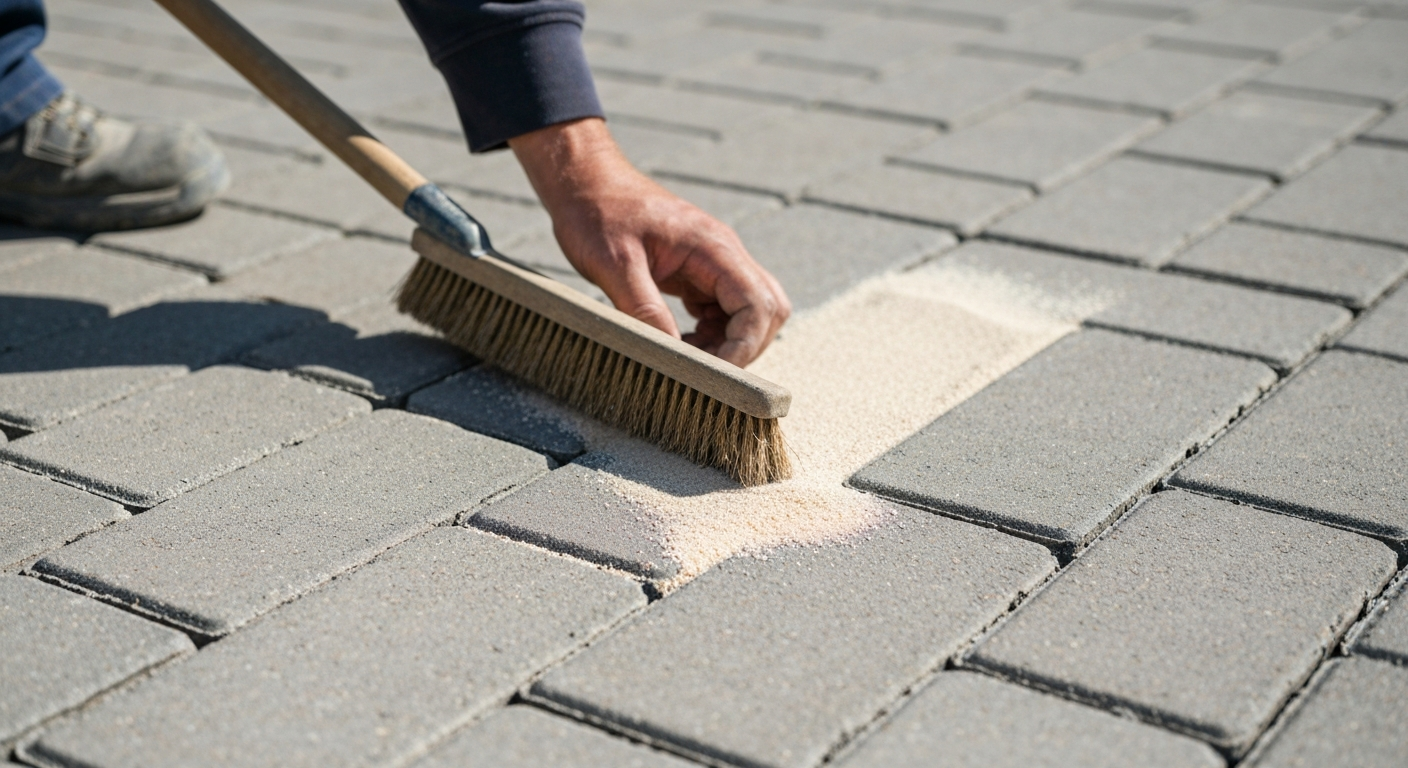
Joint Stabilization
Re-sanding with polymeric joint sand helps lock the pavers together and gives the sealer a better system to protect.
Learn more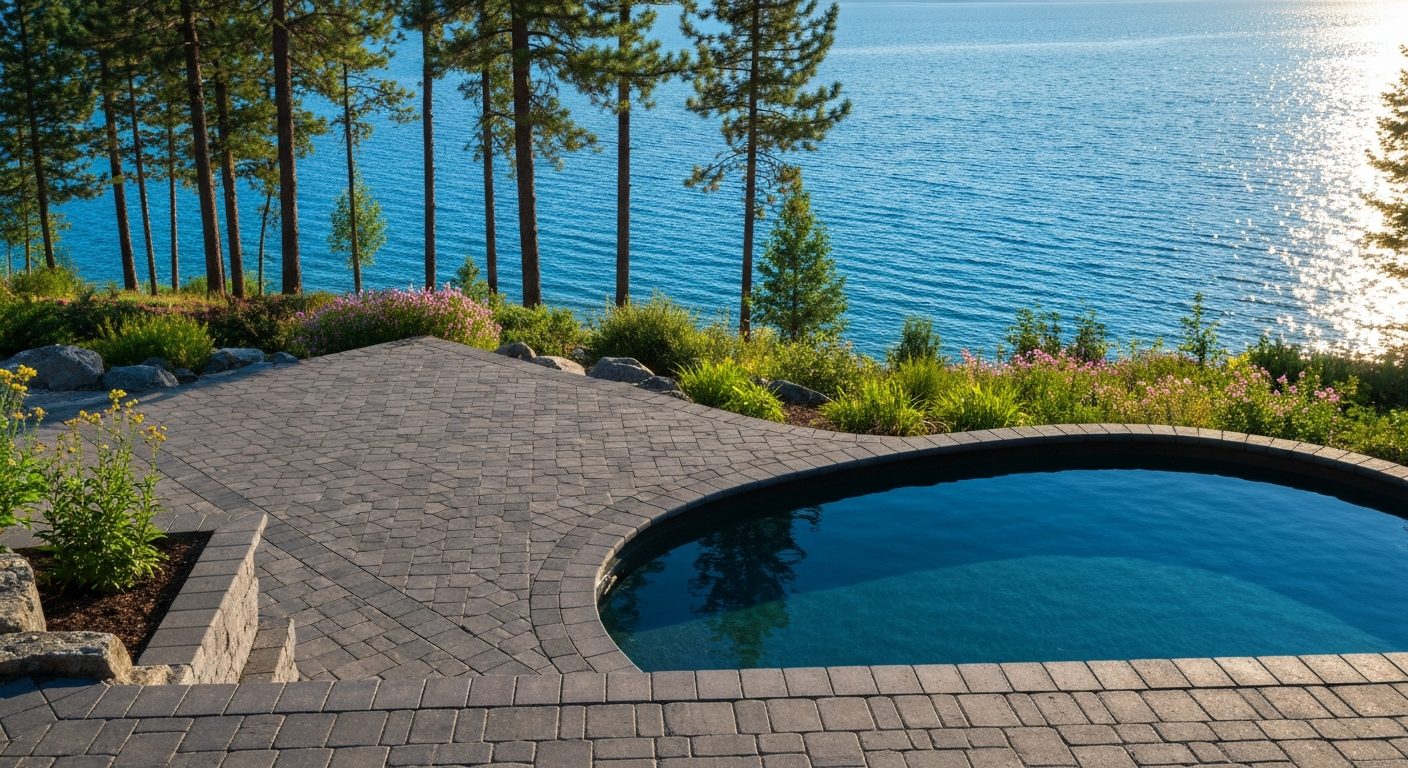
Pool-Deck Sealing
We evaluate slip concerns, finish preference, drainage, shade, and existing growth before recommending a sealer for wet-use areas.
Learn more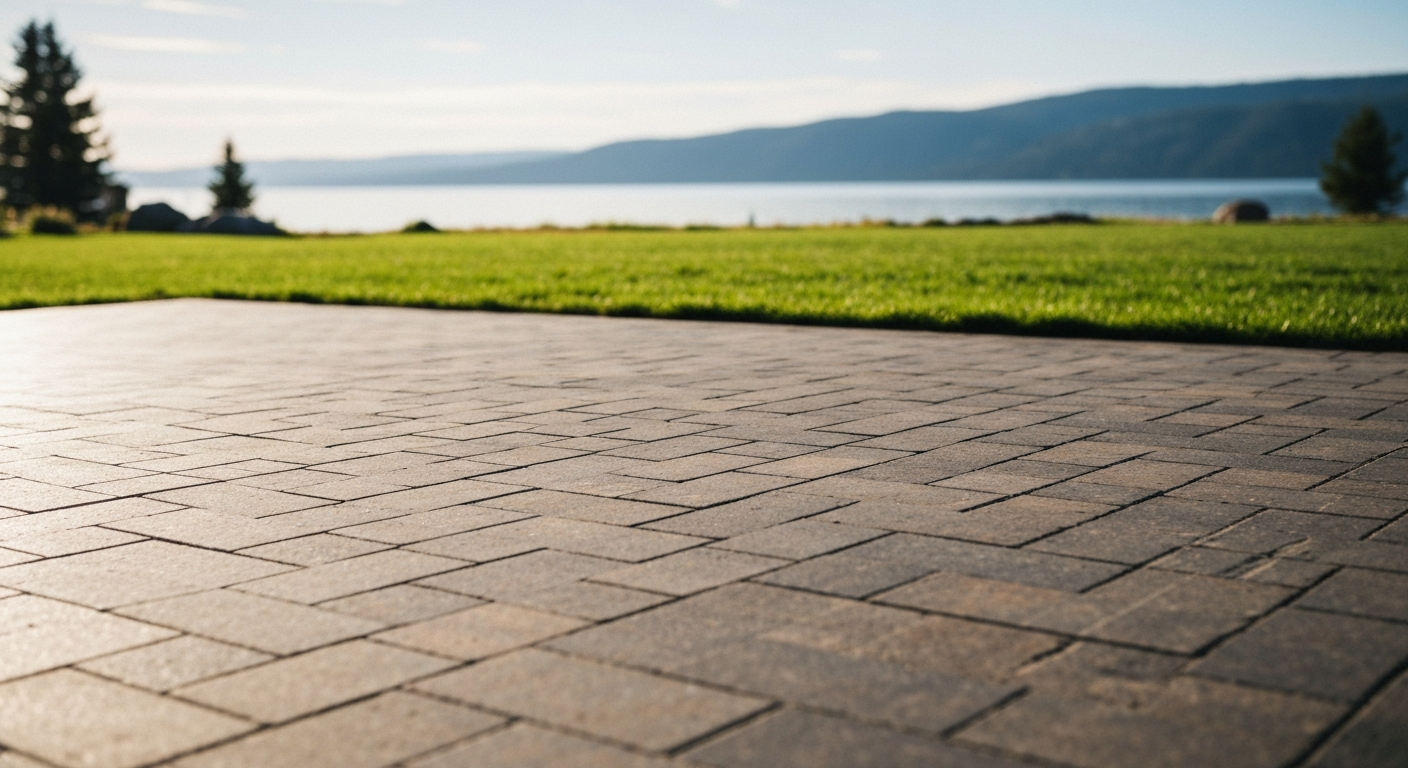
Paver Patios
If you are weighing a new install versus sealing what you already have, our paver patios work covers design and installation.
Learn more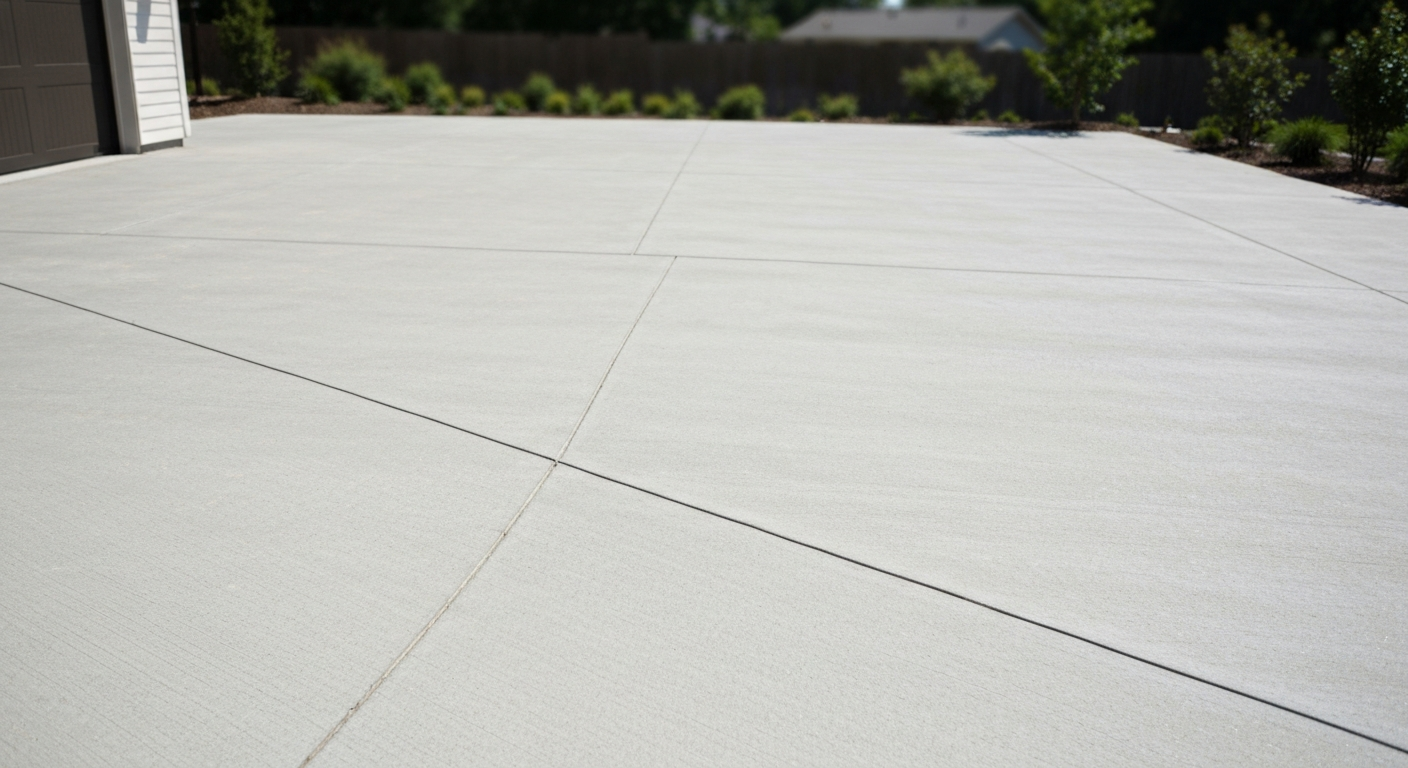
Concrete Sealing
If the surface is existing concrete rather than pavers, concrete sealing is the sibling service designed for driveways and patios.
Learn moreSealing Approaches Compared
Streamline Solutions approaches paver sealing as surface protection, not a quick shine coat. That means prep comes first. Cleaning, drying, re-sanding, and sealer selection matter more than rushing the application.
| Category | Sealed & Maintained | Unsealed/Neglected | DIY Shortcut |
|---|---|---|---|
| Joint Stability | Polymeric sand locked in place, resisting washout. | Sand washes out, leaving gaps for water and weeds. | Often sealed over loose or dirty joints, trapping debris. |
| Weeds & Ants | Blocked by stabilized joints and sealer. | Take over open joints quickly during summer. | Sealed over existing weeds, leading to failure. |
| Freeze-Thaw | Water intrusion reduced, protecting the base. | Water enters freely, expanding and heaving pavers. | Trapped moisture can cause the sealer to blush white. |
| Appearance | Rich, protected color (matte or wet-look). | Faded, chalky, and uneven. | Patchy, peeling, or cloudy from poor prep. |
Where We Seal Pavers
Streamline Solutions seals paver surfaces for homes, mountain properties, lakeshore settings, and light commercial spaces across the valley. Common projects include backyard paver patios, front walkways, outdoor kitchens, pool decks, garden paths, driveway pavers, retaining-wall seating areas, and entry hardscapes.
Residential patios are the most common. These spaces usually need cleaning, joint re-sanding, and a finish decision. Some homeowners want a natural matte look that simply protects the pavers. Others want wet-look or color-enhancing sealer because the pavers have faded and the patio is a visible entertaining area.
Walkways and entries are also important because they handle snow, foot traffic, and shaded moisture. On commercial entries or light commercial hardscapes, sealing helps improve appearance and reduce maintenance while protecting the paver system from weather and de-icing exposure.
Service Area
Streamline Solutions is based in Kalispell and provides paver sealing across the locked Flathead Valley service area.
Paver Sealing Cost in Kalispell & the Flathead Valley
Paver sealing cost depends on the size of the area, current condition, amount of joint-sand loss, cleaning needs, efflorescence or moss removal, sealer type, and finish goal. A clean patio that only needs light prep and a natural-look sealer will price differently than a faded lakeshore patio that needs deep cleaning, re-sanding, and wet-look color enhancement.
The most honest way to price paver sealing is with a quick look and a written quote. That lets us evaluate square footage, access, slope, drainage, joint condition, and whether the surface needs restoration before it can be sealed. Call us for a free written quote tailored to your specific surface.
Paver Sealing Myths vs. Reality
Myth: Pavers do not need sealing.
Reality: Pavers can function without sealer, but unsealed pavers in the Flathead Valley are more exposed to joint washout, stains, weeds, ants, UV fading, salt, and freeze-thaw movement. Sealing is not just about shine; it is about protecting the surface and joints.
Myth: Sealing always makes pavers slippery.
Reality: The finish, product, surface texture, and application method all matter. A matte or penetrating sealer is very different from a heavy wet-look coating, and wet-use areas such as pool decks or lakeshore patios need a more careful recommendation.
Myth: You only seal pavers once.
Reality: Paver sealing is maintenance, not a one-time permanent treatment. In Northwest Montana, most paver surfaces should be evaluated for re-sealing every 3-5 years, depending on weather, traffic, salt exposure, and sun.
Myth: Wet-look sealer fixes everything.
Reality: Wet-look sealer can dramatically improve color, but it cannot replace proper cleaning, dry-out, joint repair, and surface prep. If the pavers are dirty, damp, unstable, or covered in efflorescence, those issues need to be handled before the finish is applied.
Streamline Solutions Recommendation
For a typical Flathead Valley paver patio, we usually recommend a full clean, joint inspection, re-sanding with quality polymeric joint sand where needed, and either a penetrating sealer or a wet-look/color-enhancing sealer based on the homeowner's finish goal. In most cases, the right maintenance cycle is a re-seal every 3-5 years, with shaded lakeshore patios and high-salt areas checked sooner.
The best results come from treating the paver system as a whole: surface, joints, drainage, shade, and exposure. A good sealer protects, but preparation is what makes it last.
— Streamline Solutions, Kalispell, MT
Get a Written Paver Sealing Quote
Streamline Solutions is licensed and insured, and we provide written quotes for paver sealing projects in Kalispell and across the Flathead Valley. Our workmanship-guarantee framing is simple: we stand behind the work we perform, explain the products and maintenance expectations clearly, and avoid unrealistic "lifetime" promises that do not match Montana weather.
Licensed & Insured
Written Quotes
Prep-First Process
Be our first Flathead Valley review
