
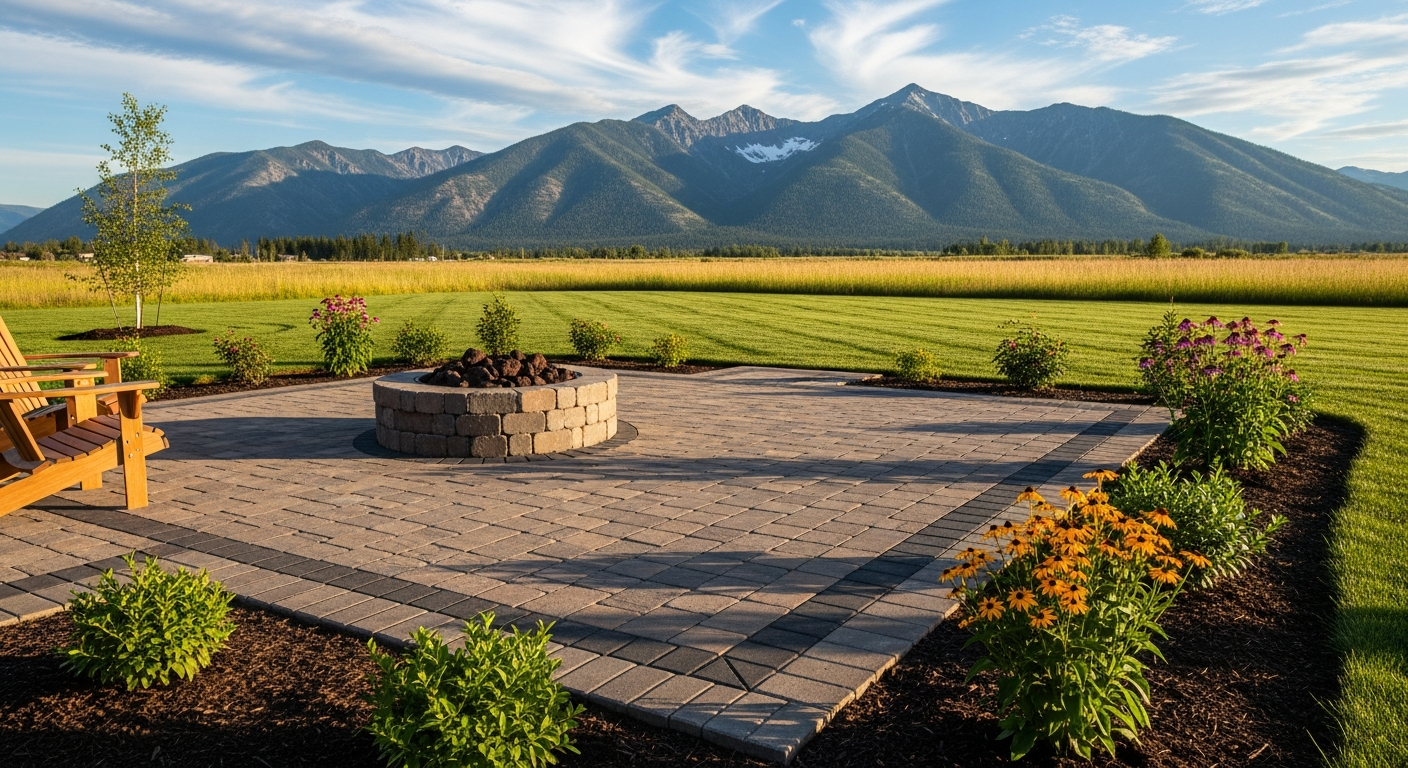
Paver Patios & Walkways in Kalispell & the Flathead Valley
A proper paver patio is not just a surface pattern; it is a layered system with a deep compacted aggregate base, bedding sand, edge restraint, polymeric joint sand, and slope that moves meltwater away so the patio can flex instead of crack.
Deep compacted aggregate base
Pavers flex instead of cracking
Patios, walkways, and entries
Licensed & insured
The Problem With Flathead Valley Patio Surfaces
Streamline Solutions installs paver patios in Kalispell and the Flathead Valley for homeowners who want outdoor spaces built for Montana freeze-thaw, snowmelt, and short-but-worth-it summer seasons.
If you are asking who installs paver patios and walkways in the Flathead Valley, Streamline Solutions builds backyard patios, entries, walkways, lakeshore gathering spaces, and mountain-home outdoor surfaces with the base preparation local conditions demand. The advantage over a poured patio is simple: pavers can move slightly through freeze-thaw cycles, and individual units can be lifted, reset, or replaced if a section ever settles.
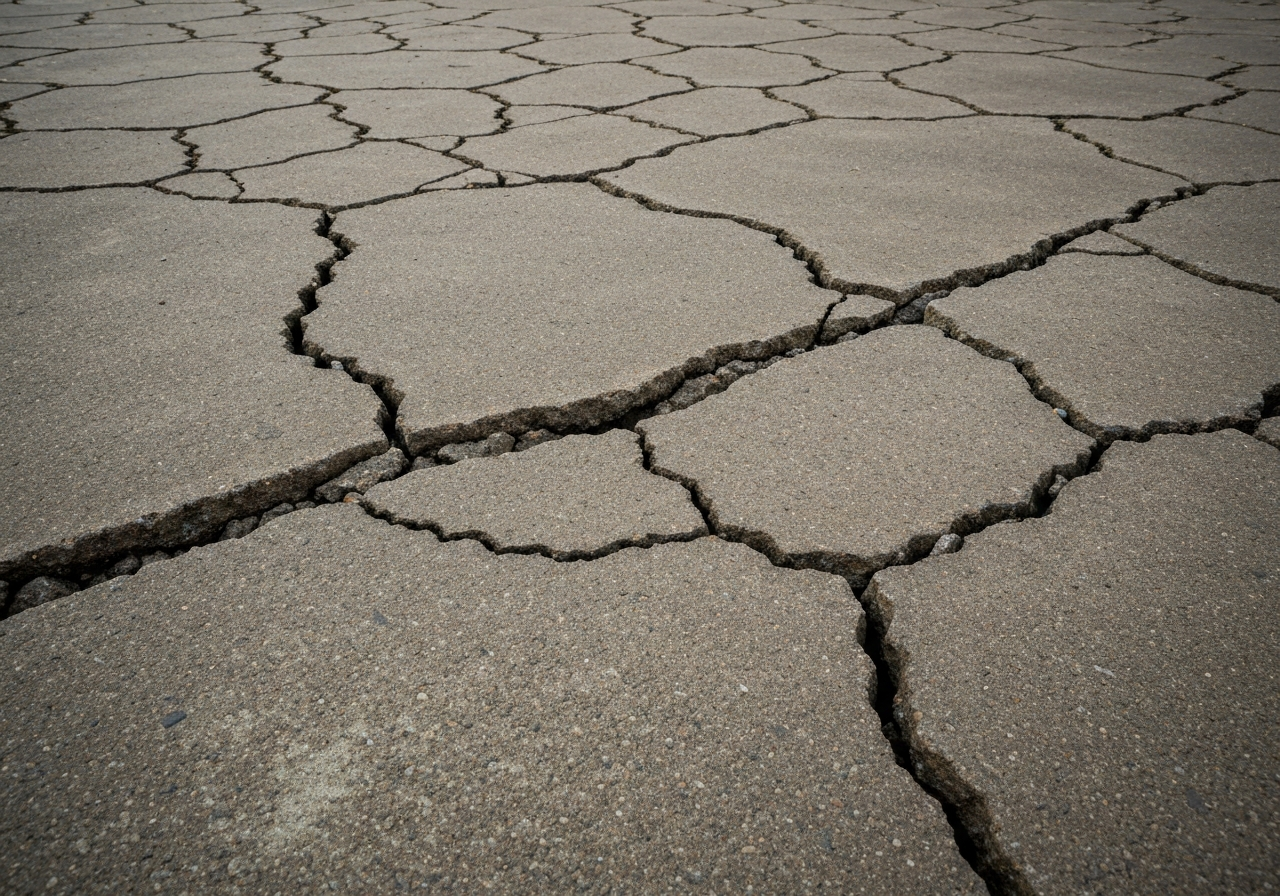
A patio that works in a mild climate can fail quickly in the Flathead Valley. Montana winters push moisture into the base, freeze it, expand it, and then release it during thaw cycles. If the patio surface was installed over a thin base, poor compaction, or flat drainage, that movement often shows up as heaving, low spots, open joints, or sections that rock underfoot.
Many homeowners call after dealing with one of four common issues: cracked poured patios, sunken DIY pavers, muddy yard space where furniture should sit, or meltwater that pools because the surface was not sloped correctly. These problems are frustrating because they usually do not come from the visible paver itself. They come from what was skipped underneath.
A paver patio should create a cleaner, more usable outdoor area for grilling, sitting, walking, and gathering during the short Northwest Montana outdoor season. When the base is too shallow, the edge restraint is weak, or water has nowhere to go, the patio becomes another maintenance problem instead of a durable improvement. Streamline Solutions focuses on the layers below the surface first, because that is where Montana patios are made or broken.
The Flathead Valley Paver Patio Deep-Dive
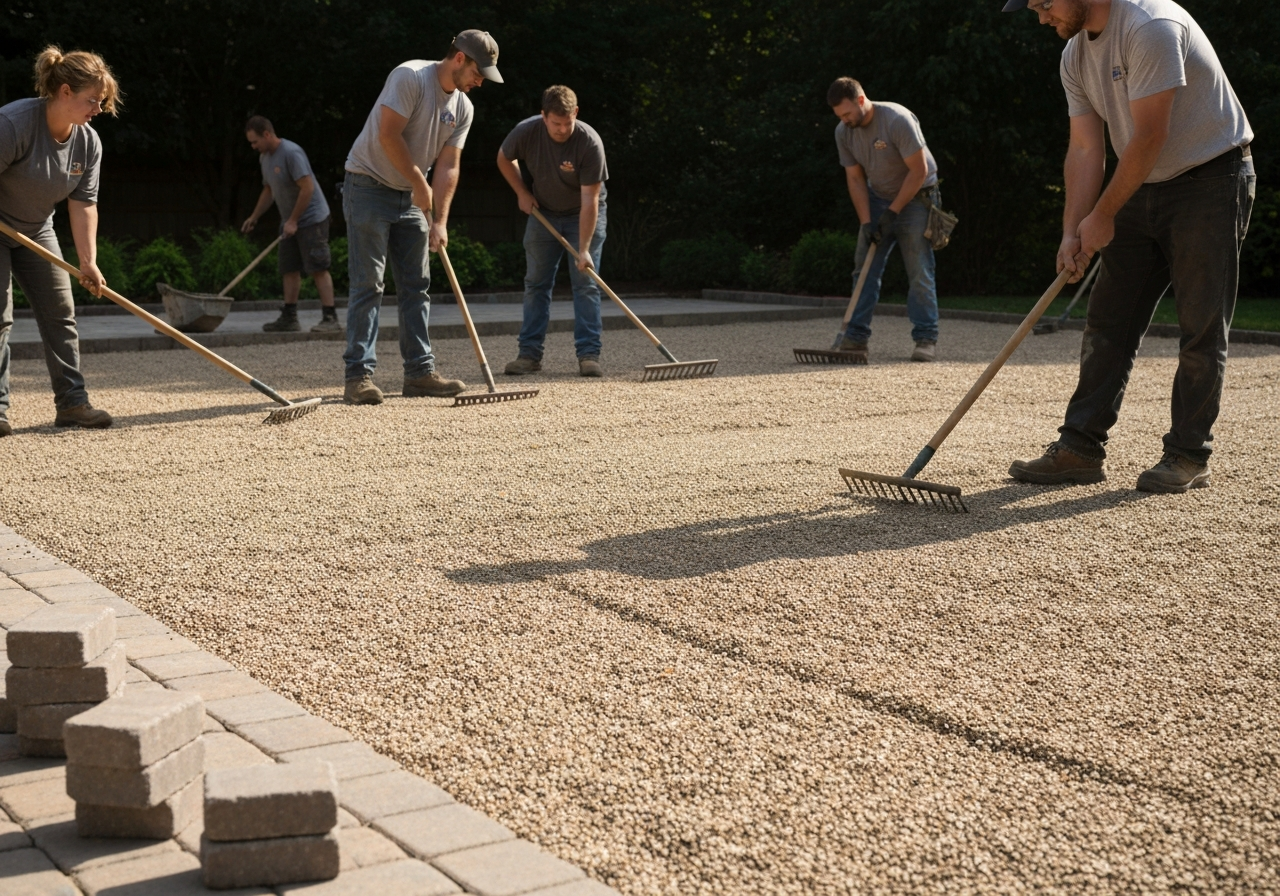
A paver patio is only as good as the base below it. In the Flathead Valley, that base needs to be deeper and more carefully compacted than what you might see in a warmer region. The goal is to create a stable, drainable foundation that supports the pavers, limits frost movement, and gives water a path out instead of letting it sit under the surface.
The first major layer is the compacted aggregate base. This is the structural layer that carries the patio. For local conditions, depth and compaction matter because frost can lift weak areas, especially when moisture gets trapped. A thin base may look fine after installation, then start to settle or heave after the first hard winter.
Above the aggregate base is bedding sand. This layer helps the pavers seat evenly and allows fine adjustments during installation. Bedding sand should not be treated as a substitute for the base. If too much bedding sand is used to make up for poor excavation or weak aggregate depth, the patio can shift, rut, or settle.
Edge restraint is another critical detail. Without firm edge restraint, pavers can creep outward under traffic, seasonal movement, and freeze-thaw pressure. Once edges begin to spread, joints widen, the pattern loosens, and the patio can lose its clean shape. Proper restraint keeps the surface locked together.
Polymeric joint sand finishes the system by filling the joints between pavers. When installed correctly, it helps stabilize the surface, reduce weed growth, and limit water movement through the joints. It is not magic, and it still depends on proper base and drainage, but it is an important part of a long-lasting patio.
Slope and drainage decide whether snowmelt helps or hurts the project. A patio that is nearly flat can hold water, and standing water becomes a problem when temperatures drop. Streamline Solutions plans patio grades so meltwater moves away from the house, off the surface, and away from areas where frost can create heaving.
Paver style and pattern also matter. Large-format pavers create a clean modern look, but they require careful base prep and surface leveling. Smaller pavers and interlocking patterns can be useful for walkways, curves, entries, and areas where movement control matters. Borders can define the edge, frame the space, and help the finished installation look intentional.
After installation, sealing can help protect color, reduce staining, and support joint stability. Sealing is especially useful where snow, salt, pine debris, outdoor cooking, or heavy foot traffic are expected. For long-term care, Streamline Solutions also offers paver sealing as a recurring service.
Patio Cross-Section Diagram
A paver patio cross-section, from top to bottom: concrete pavers with polymeric joints, a bedding sand layer, a deep compacted aggregate base for freeze-thaw support, a firm edge restraint locking the surface in place, and a slight slope to drain snowmelt away.
What a Proper Paver Patio Means for You
A surface that flexes with freeze-thaw instead of cracking
The biggest advantage of a paver patio in the Flathead Valley is movement control. Poured surfaces are rigid, so frost movement often shows up as cracking. Concrete pavers are individual units, which allows the surface to respond to seasonal movement without one long crack running through the entire patio.
More usable outdoor space during a short season
Outdoor time matters here because the comfortable patio season is limited. A well-built paver patio turns muddy, uneven, or underused yard space into a clean area for seating, dining, and daily use. Instead of waiting for the yard to dry out, you get a defined surface that is ready when the weather turns.
Individual units that can be reset if needed
Even a well-built patio can experience movement over time from water, tree roots, heavy use, or changing soil conditions. With pavers, a settled section can often be lifted, re-leveled, and reset without replacing the entire surface. That repairability is one reason pavers are a smart fit for Montana properties.
Design, pattern, and color options that fit the home
Pavers give you more design flexibility than a plain slab surface. You can choose a pattern, border, color blend, and paver style that fits a mountain home, lakeshore property, modern entry, or backyard gathering space. Streamline Solutions helps keep those choices practical so the finished patio looks good and holds up.
Meltwater that drains away instead of pooling
Snow, salt, and meltwater are long-term enemies of outdoor surfaces. A proper paver patio is planned with slope and drainage so water moves away from the house and off the surface. That reduces freeze-related movement, surface staining, joint washout, and slippery low spots.
Our Paver Patio & Walkway Installation Process
Layout and design
We start by understanding how the patio or walkway will be used. A backyard seating area has different requirements than a front entry, side-yard path, lakeshore gathering space, or walkway that needs to connect multiple outdoor zones. We look at access, slope, drainage, furniture placement, traffic flow, and how the paver surface should connect to the rest of the property.
Written fixed quote
After reviewing the layout and scope, Streamline Solutions provides a written quote so you know what is included. The quote accounts for square footage, excavation, base depth, paver type, pattern, cuts, access, edge restraint, joint sand, cleanup, and optional sealing. Clear pricing matters because base preparation is not the place to guess or cut corners.
Excavation and deep compacted base
This is the most important part of the job. We excavate to make room for the aggregate base, bedding layer, and pavers while planning the finished elevation. The compacted aggregate base is installed in layers so it can support the patio through Montana winters, spring thaw, and repeated use.
Bedding layer
Once the base is compacted, bedding sand is placed and prepared for paver installation. This layer helps the pavers sit evenly and allows small adjustments. It must be consistent, because uneven bedding can telegraph through the finished surface.
Paver laying and cutting
The pavers are laid in the selected pattern, with attention to lines, borders, transitions, and usable space. Cuts are made where needed around edges, steps, curves, landscape features, or existing structures. The goal is a clean surface that looks intentional from every angle.
Edge restraint
Edge restraint is installed to lock the patio or walkway in place. This detail helps prevent outward movement, especially during freeze-thaw cycles and regular foot traffic. Strong edges protect the pattern and keep the surface from slowly spreading.
Polymeric sand and compaction
Polymeric joint sand is swept into the joints and compacted so the pavers settle into place as a unified surface. This step helps stabilize the installation and reduce joint movement. It also supports long-term weed and washout resistance when maintained properly.
Cleanup and care guidance
We finish by cleaning the work area and walking through care recommendations. If sealing is part of the project, we explain timing and expectations. Season windows matter in Northwest Montana, so installation and sealing are planned around temperature, moisture, and curing conditions.
Related Landscaping & Hardscaping Services
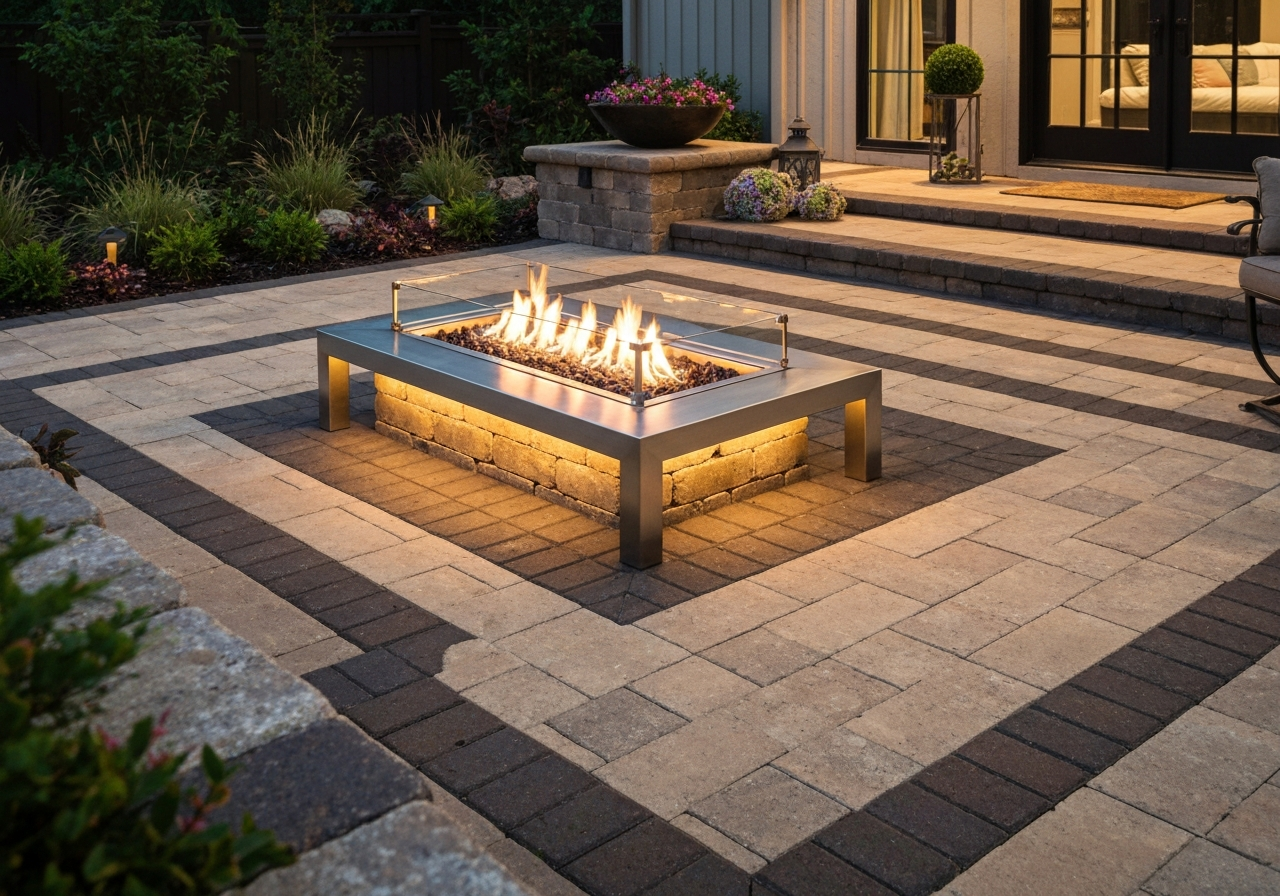
Hardscaping
For patio projects tied into larger outdoor living layouts, including fire pits, seating walls, and steps that handle grade.
Learn more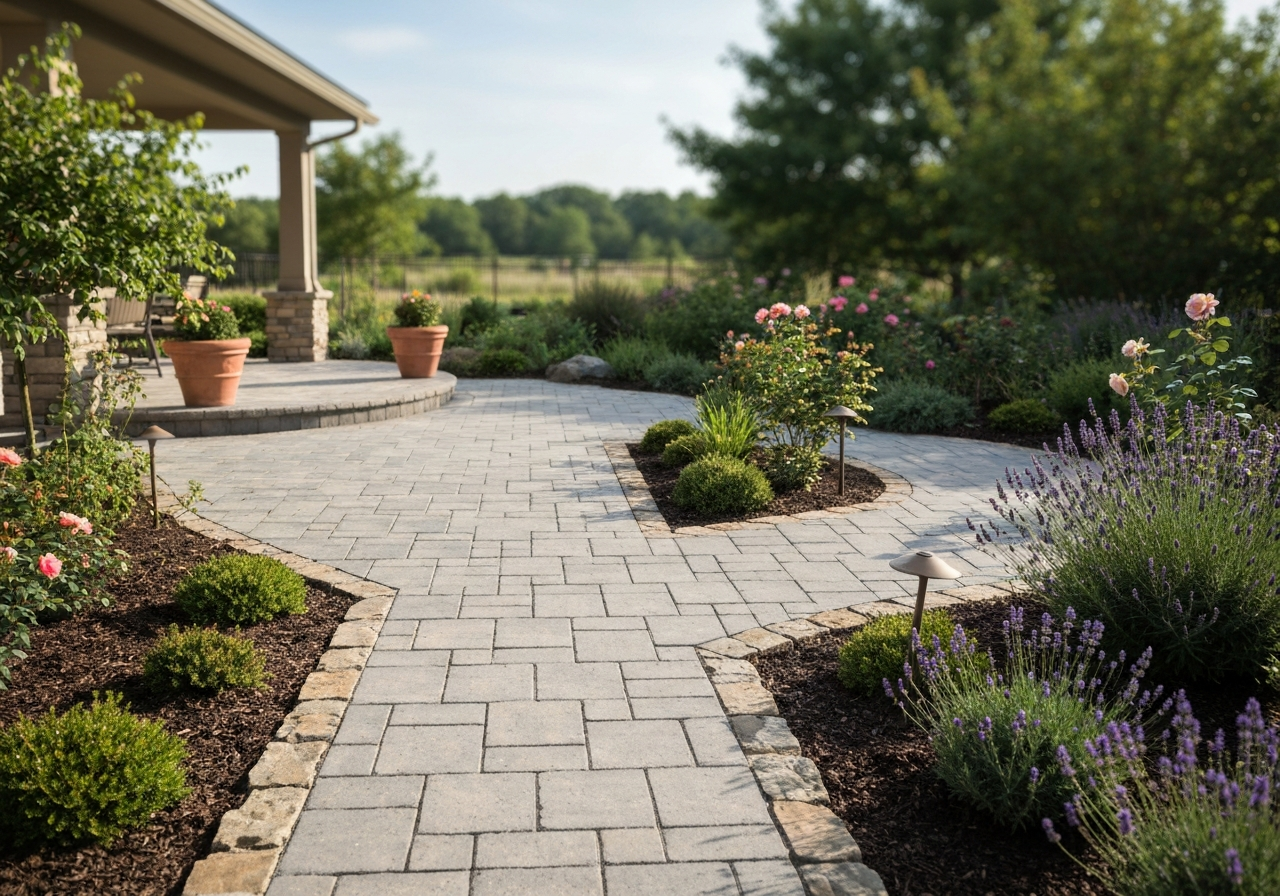
Retaining Walls
When a patio needs supporting walls, steps, boulder features, or erosion control on a sloped Flathead Valley lot.
Learn more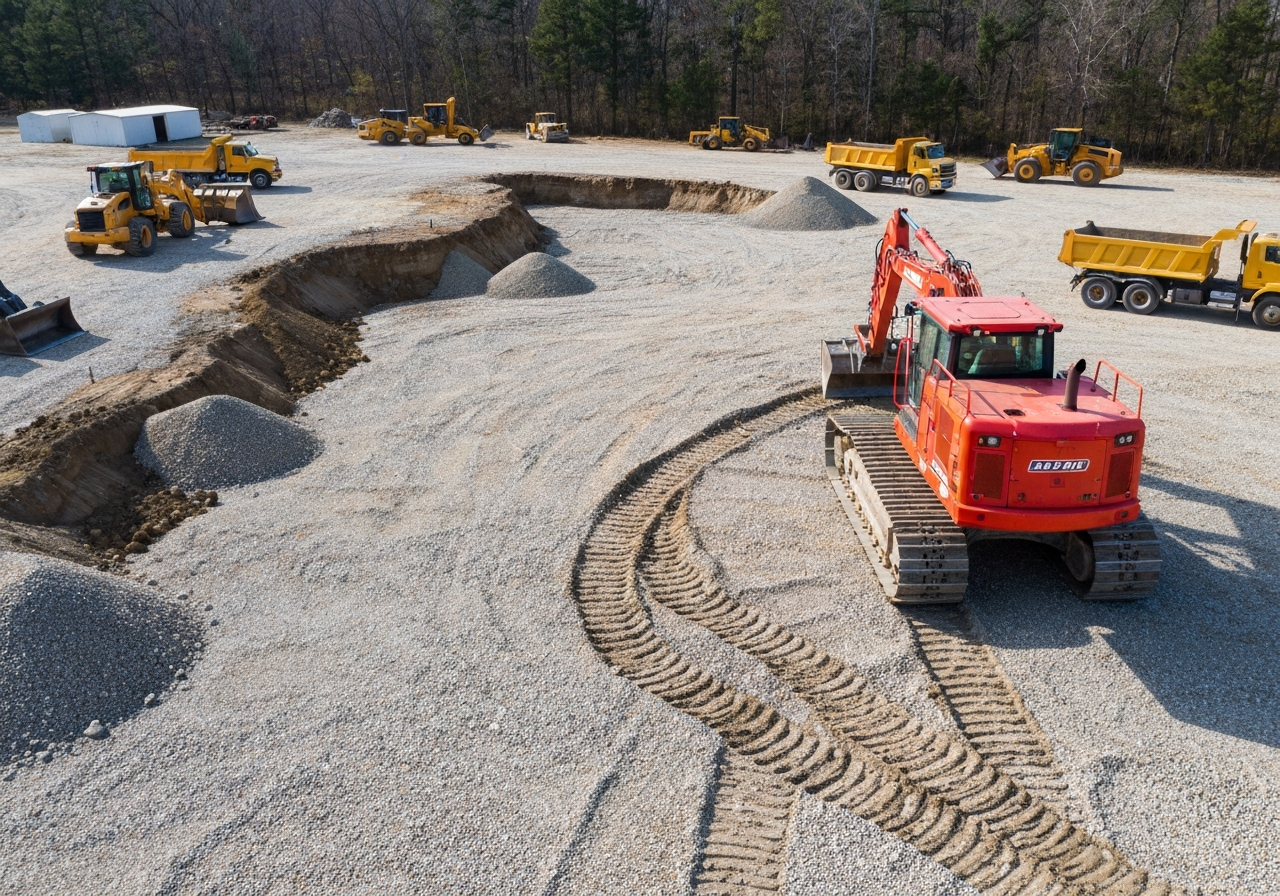
Yard Prep
Grading, drainage correction, and site preparation before the visible hardscape or landscape is installed.
Learn more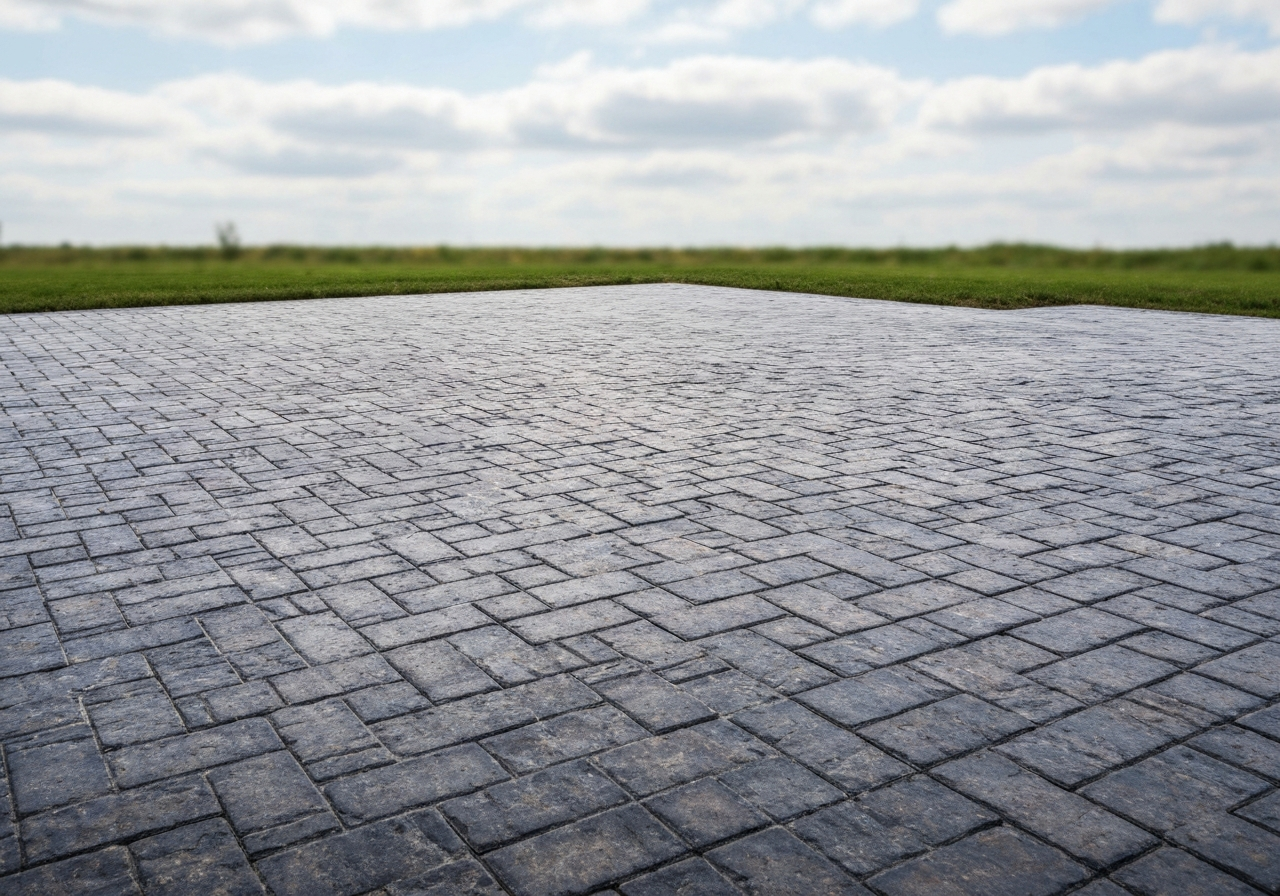
Paver Sealing
Protect finished pavers from water, staining, and seasonal wear while stabilizing joints with professional sealing.
Learn morePavers vs. Poured Concrete for a Flathead Patio
Streamline Solutions installs paver patios and walkways, not poured slabs. That focus lets us build the surface around what pavers do best in the Flathead Valley: flex, drain, reset, and create a finished outdoor space with more visual options.
| Category | Paver Patio | Poured Patio |
|---|---|---|
| Freeze-thaw movement | Individual units can flex slightly through seasonal movement. | Rigid surface is more likely to show visible cracks when movement occurs. |
| Repairability | Settled or damaged pavers can often be lifted and reset. | Repairs are usually more visible and may require larger sections. |
| Look and design | Wide range of colors, borders, shapes, and patterns. | Cleaner single-surface look, but fewer pattern and repair options. |
| Drainage planning | Built with joints, slope, base depth, and edge restraint as a system. | Depends heavily on slab slope and control of cracking. |
| Long-term care | Joint sand and sealing may need maintenance over time. | Cracks, surface wear, and staining may need patching or coating. |
| Best fit locally | Strong fit for patios, walkways, entries, and outdoor gathering spaces. | Can work in some settings, but it is less forgiving in freeze-thaw conditions. |
Where We Install Paver Surfaces
Paver patios are a good fit when you want a defined outdoor area without turning the yard into a rigid slab. Streamline Solutions installs backyard patios for grilling, seating, and outdoor dining. We also build walkways that connect doors, parking areas, garden zones, sheds, and lakeside access points.
For front entries, pavers can create a cleaner first impression and reduce muddy tracking during spring melt. For pool-deck and lakeshore gathering spaces, the surface can be designed to manage water, traffic, and furniture placement. For mountain-home lots, pavers can help create level, usable space on properties where the natural grade is not ideal for everyday outdoor living.
When a patio needs supporting walls, steps, boulder features, or a larger outdoor living layout, the project may connect with our hardscaping or retaining wall services. The paver surface stays focused on walkable, usable space, while those related services support grade change, structure, and broader outdoor function.
Service Area
Streamline Solutions is based in Kalispell and installs paver patios and walkways across Kalispell, Whitefish, Columbia Falls, Evergreen, Bigfork, Somers, Lakeside, Kila, Marion, Polson, Ronan, and Eureka. Nearby town information is available for Bigfork and Whitefish.
What Does a Paver Patio Cost?
Paver patio pricing depends on the square footage, paver type, base depth, pattern, cuts, access, and drainage needs. A simple rectangular patio with easy access is usually more efficient than a curved patio with borders, steps, tight equipment access, and multiple transitions. In the Flathead Valley, base depth is a major pricing factor because a patio built for freeze-thaw requires more preparation than a mild-climate surface.
Sealing is typically priced as an add-on. Some homeowners choose to seal shortly after installation to protect color and support joint stability, while others schedule it as part of future maintenance. If the patio is exposed to snow storage, deicing products, pine needles, heavy shade, or lake moisture, sealing is worth discussing early.
The best way to get accurate pricing is to schedule a site visit and written quote. Streamline Solutions will look at the layout, drainage, access, and material options before giving a clear number.
Myth → Reality
Myth: Poured patios always last longer than pavers here.
Reality: In freeze-thaw conditions, flexibility matters. Pavers can move as individual units, while rigid surfaces often show cracking when soil and moisture shift underneath. A properly built paver patio is often the more forgiving choice for Flathead Valley outdoor living.
Myth: Any base depth is fine if the pavers look level.
Reality: The surface can look great on day one and still fail after winter if the base is too shallow. Montana patios need a deeper compacted aggregate base than mild-climate builds. The strength of the patio is under the pavers, not just in the pavers.
Myth: Pavers do not need edge restraint.
Reality: Edge restraint is what keeps the pattern locked in place. Without it, the outside pavers can creep, joints can widen, and the surface can lose its shape. Strong edges are especially important around walkways, patios with curves, and areas with frequent foot traffic.
Myth: Sealing is only for looks.
Reality: Sealing can improve appearance, but it also helps protect color and support joint stability. In a climate with snow, meltwater, salt exposure, and seasonal debris, sealing can be a practical maintenance step. It is not required for every project immediately, but it is worth planning for.
Streamline Solutions Recommendation
For a typical Flathead Valley patio, Streamline Solutions recommends a paver system built around the base first: deep compacted aggregate, consistent bedding sand, firm edge restraint, polymeric joint sand, and a slight slope that moves meltwater off the surface. That combination gives the patio the best chance to handle winter movement, spring thaw, everyday use, and the moisture conditions common around mountain and lakeshore properties.
We also recommend discussing sealing as part of the long-term plan. Sealing helps protect color, reduce staining, and stabilize joints, especially where the patio will see snow, shade, outdoor cooking, or heavy use. A good patio should look finished on installation day and still be serviceable years later.
— Streamline Solutions, Kalispell, MT
Licensed, Insured, and Built With a Workmanship-Focused Approach
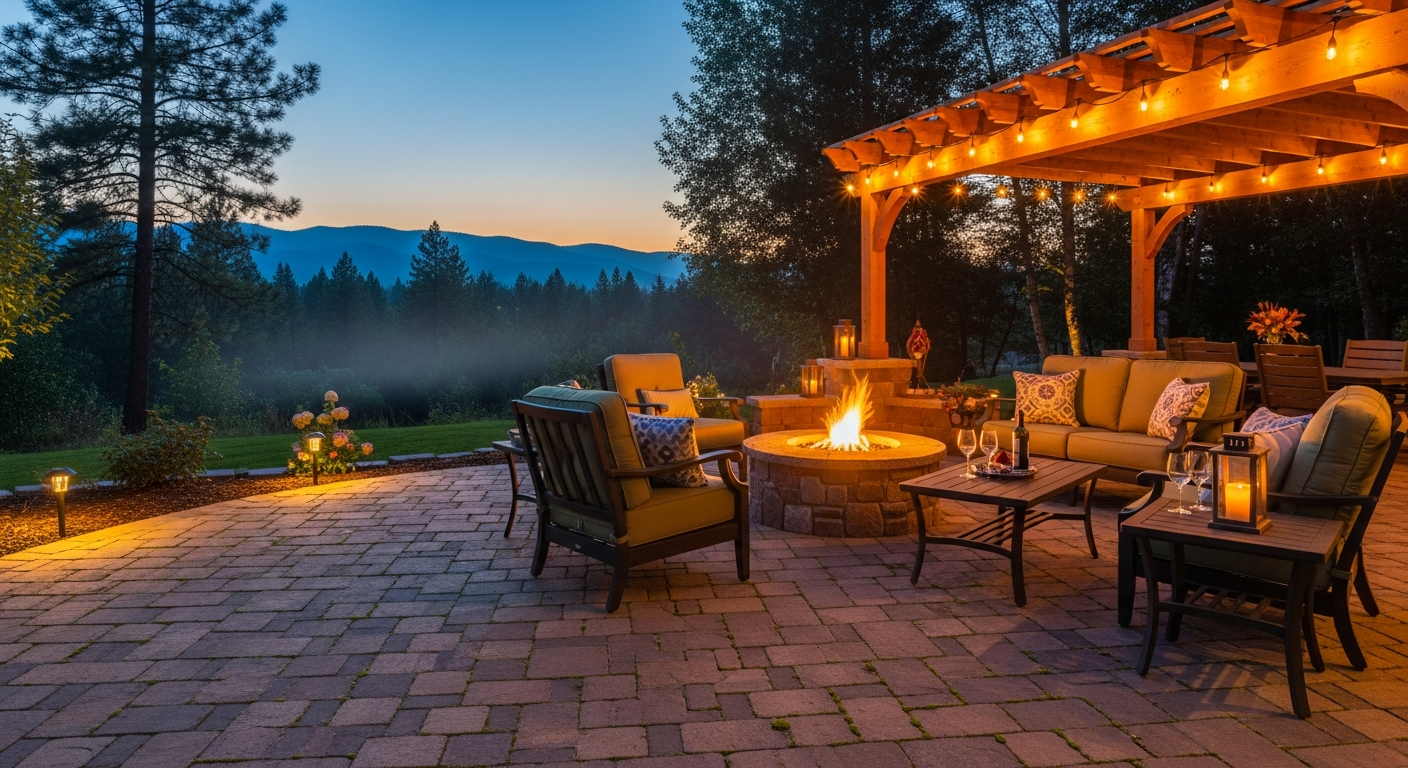
A paver patio is a visible upgrade, but the most important work is hidden underneath. Streamline Solutions installs patios and walkways with professional base preparation, drainage planning, edge restraint, and joint stabilization so the finished surface is built for the Flathead Valley instead of copied from a mild-climate playbook.
Licensed & Insured
Written Quotes
Deep Compacted Base
Be our first Flathead Valley review
