
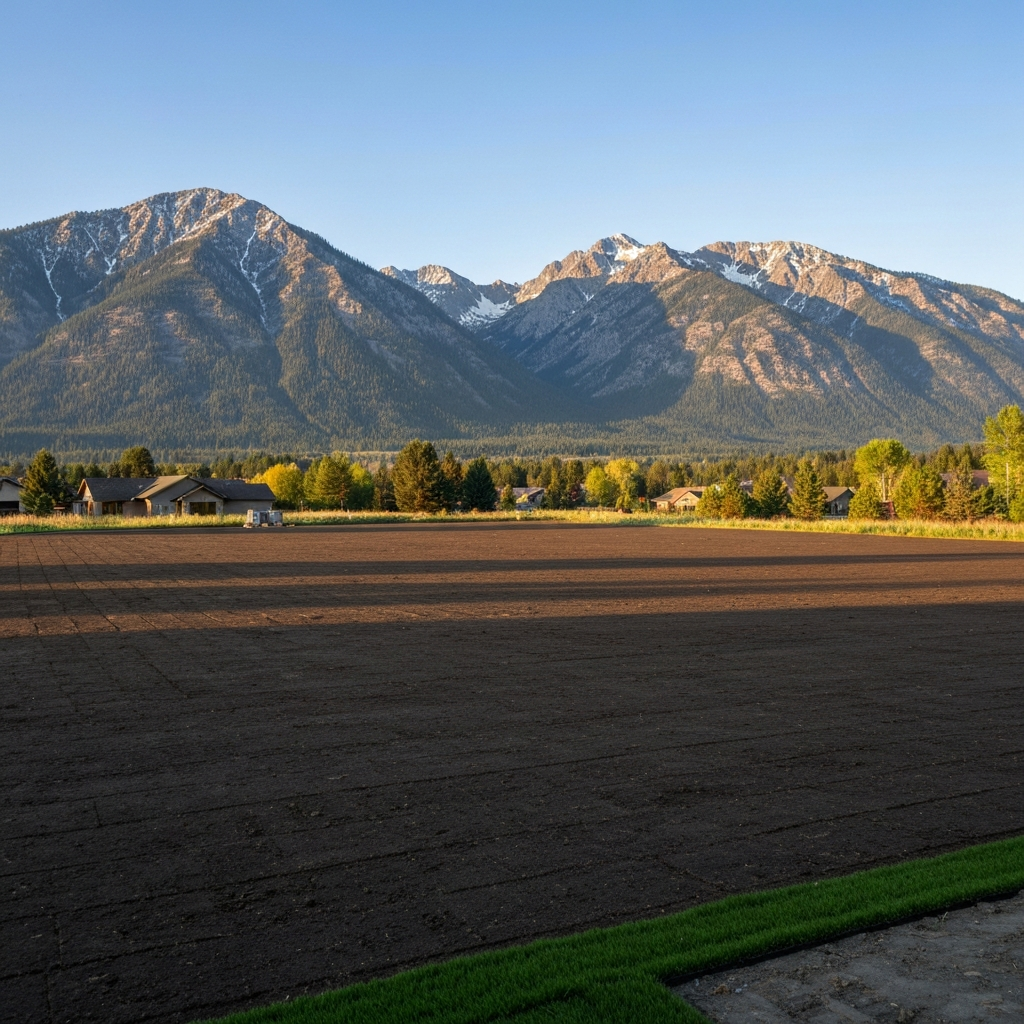
Yard Prep, Grading & Cleanup in Kalispell & the Flathead Valley
Drainage-first finish grading, soil preparation, rock and debris removal, leveling, and cleanup so your yard is ready for sod, seed, planting, or hardscape.
1 drainage-first grade plan
4 core prep needs
2 seasonal cleanup windows
Licensed & insured
The Flathead Valley Yard Prep Problem
Streamline Solutions provides yard prep in Kalispell and the Flathead Valley for homeowners, builders, and property owners who need rough dirt, poor drainage, rocky soil, or winter-damaged yards turned into a clean, graded, ready-to-finish landscape.
In the Flathead Valley, yard prep is not just "cleaning up dirt." New-construction lots are often left with compacted builder soil, exposed rock, uneven slopes, and drainage problems that only become obvious when snowmelt or spring runoff moves toward the house. Established yards can have the same issues after Montana winters, freeze-thaw cycles, roof runoff, packed snow, and years of soil settling.
The goal is simple: shape the ground so water moves away from the foundation, improve the soil so grass and plants can root, clear what should not be there, and leave a level, workable canvas for the next phase of landscaping. Whether your property is in Kalispell, near Whitefish, outside Columbia Falls, along a lakeshore lot, or tucked into a mountain-home setting, the prep underneath the finished landscape is what determines how long that finished landscape holds up.
A lot of yards around Kalispell and the greater Flathead Valley look "almost ready" after construction, but the ground tells a different story. Once the builder leaves, the lot may still be rough dirt, compacted clay, gravel pockets, scattered rock, leftover debris, and uneven transitions around the house, driveway, patios, and future planting beds. If sod or planting is rushed onto that base, the finished yard can struggle before it ever has a chance to establish.
Drainage is usually the first issue we look for. A yard can appear flat from a distance while still pushing water toward the foundation, garage, crawlspace, basement windows, or low corners of the property. In Northwest Montana, that matters because snowmelt and spring runoff can move a surprising amount of water in a short period of time. When the grade is wrong, water follows the easiest path, and that path is not always where you want it.
Soil quality is the second issue. Much of the region has a mix of glacial clay, rock, gravel, and compacted fill that does not behave like rich lawn or garden soil. Grass roots need a workable soil layer. Plants need more than a thin scrape of loose dirt over hardpan. Even hardscape projects benefit from having surrounding grades cleaned up and shaped properly before the visible finish work begins.
Established yards have their own problems. A lawn may be bumpy from settling, ruts, snow load, or previous work. Beds may be packed with leaves, winter debris, dead growth, and old mulch. Drainage paths may have changed over time. A yard that once worked can stop working after enough freeze-thaw cycles, runoff, and surface erosion.
That is why yard prep is one of the most important parts of landscaping in the Flathead Valley. It is the work that makes the finished result possible.
The Flathead Yard-Prep Deep Dive
Yard prep in Kalispell and the Flathead Valley has to be built around local ground conditions. This is not the same as preparing a flat suburban lot in a mild climate. Our area has mountain weather, rocky soils, seasonal runoff, fast spring transitions, and properties that can shift from snow-covered to saturated in a short period of time.
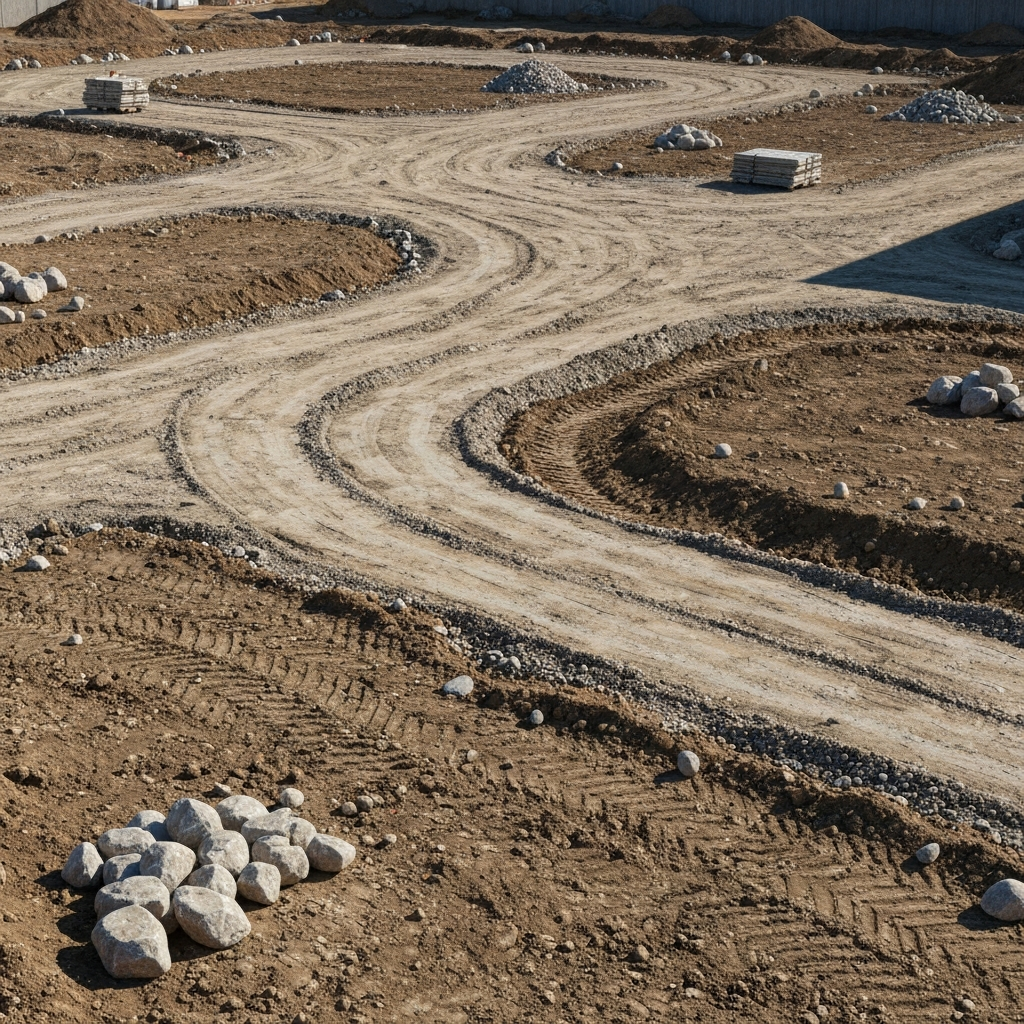
Finish grading is the first priority. The goal is to shape the surface so water moves away from the home and into safer drainage paths, such as swales or lower areas designed to carry water without damaging the yard. A swale does not need to be dramatic to work. Often, the best drainage improvement is a subtle, controlled shape that keeps the yard usable while guiding snowmelt and runoff away from problem areas.
Soil preparation is just as important. Many lots around the Flathead Valley include glacial clay, rock, gravel, and compacted construction fill. Those materials may be stable in some ways, but they are not ideal for lawn establishment or planting. Soil amendment helps create a better rooting zone for sod, seed, shrubs, perennials, and planting beds. Without that step, grass can thin out, plants can stall, and watering may become inconsistent because the soil cannot absorb and hold moisture evenly.
Rock and debris removal are also part of real prep. New-construction properties are often left with buried chunks, scrap material, gravel piles, and rocks that keep surfacing as soon as the yard is worked. Established yards may have old edging, failed landscape fabric, dead shrubs, branches, winter debris, and compacted bed material that needs to be cleared before the space can be rebuilt. Removing those obstacles makes the finished yard cleaner and easier to maintain.
Leveling ties everything together. A yard does not need to be perfectly flat, and in many cases it should not be perfectly flat because water still needs a path. The goal is a smooth, intentional grade that fits the property. That may mean softening bumpy lawn areas, blending transitions near patios or walkways, preparing a sod area, shaping planting beds, or cleaning up the edges around a future hardscape.
When these steps are done in the right order, the next phase becomes much stronger. Sod has a prepared base. Planting beds have soil that can support roots. Hardscape areas connect to surrounding grades more cleanly. Seasonal cleanup becomes easier because the yard has been reset instead of patched.
Proper Grading for Montana Homes
A well-prepared yard directs water away from your foundation while creating a rich, workable base for landscaping.
What Yard Prep Means for You
Water graded away from the foundation
Good yard prep starts with water movement. We look at the house, slopes, downspout areas, low spots, and natural runoff paths so the finished grade helps move water away from the foundation and toward better drainage areas. In a valley with snowmelt, spring runoff, and freeze-thaw conditions, this is not optional prep; it is the base layer of a healthier yard.
Soil that actually grows grass and plants
Builder dirt and rocky native soil can make sod, seed, and planting struggle. Soil amendment helps create a better growing layer so roots can establish instead of fighting compacted clay, gravel, or debris. The right prep gives your lawn and planting beds a stronger start before money is spent on the visible finish.
A clean, leveled canvas
Sod, seed, patios, walkways, retaining features, and planting beds all perform better when the ground is cleared, leveled, and shaped first. Yard prep removes the rocks, debris, uneven piles, and rough transitions that slow down installation. The result is a property that is ready for the next step instead of one that needs to be fixed halfway through the project.
A yard reset after winter or construction
Spring and fall cleanup are especially useful in Flathead County because the landscape season is bracketed by harsh weather. After winter, a yard may need debris removal, bed refresh, soil touch-ups, and leveling before it can recover. After construction, a property may need a deeper reset to remove leftover material, smooth disturbed areas, and prepare for a full landscaping plan.
Prep that protects everything installed on top
The most expensive part of landscaping is often not the prep itself; it is replacing sod, plants, or hardscape that failed because the prep was skipped. When grading, soil, and cleanup are handled first, the finished work has a better chance to drain correctly, root properly, and hold its shape. Good prep protects the investment you make in the final landscape.
Our Yard Prep Process
Site walk and grade/drainage assessment
Every yard prep project starts with walking the property. We look at where water is coming from, where it is collecting, how the grade sits around the home, and what needs to be removed before finish prep can begin. On new-construction lots, we also look for compacted builder dirt, rock, gravel, rough transitions, and access limitations.
Written fixed quote
After the site walk, we provide a written quote based on the actual scope. The quote reflects lot size, grading needs, soil work, debris or rock haul-off, access, cleanup requirements, and the intended next step. A yard being prepared for sod may need different handling than a yard being prepared for planting beds or a hardscape connection.
Clearing and debris or rock removal
Before grading or soil amendment, the surface needs to be cleared. This may include rocks, branches, leftover construction debris, old landscape material, winter debris, leaves, brush, or other obstacles that prevent clean prep. Removing this material early helps avoid burying problems under the finished landscape.
Rough grading and finish grading
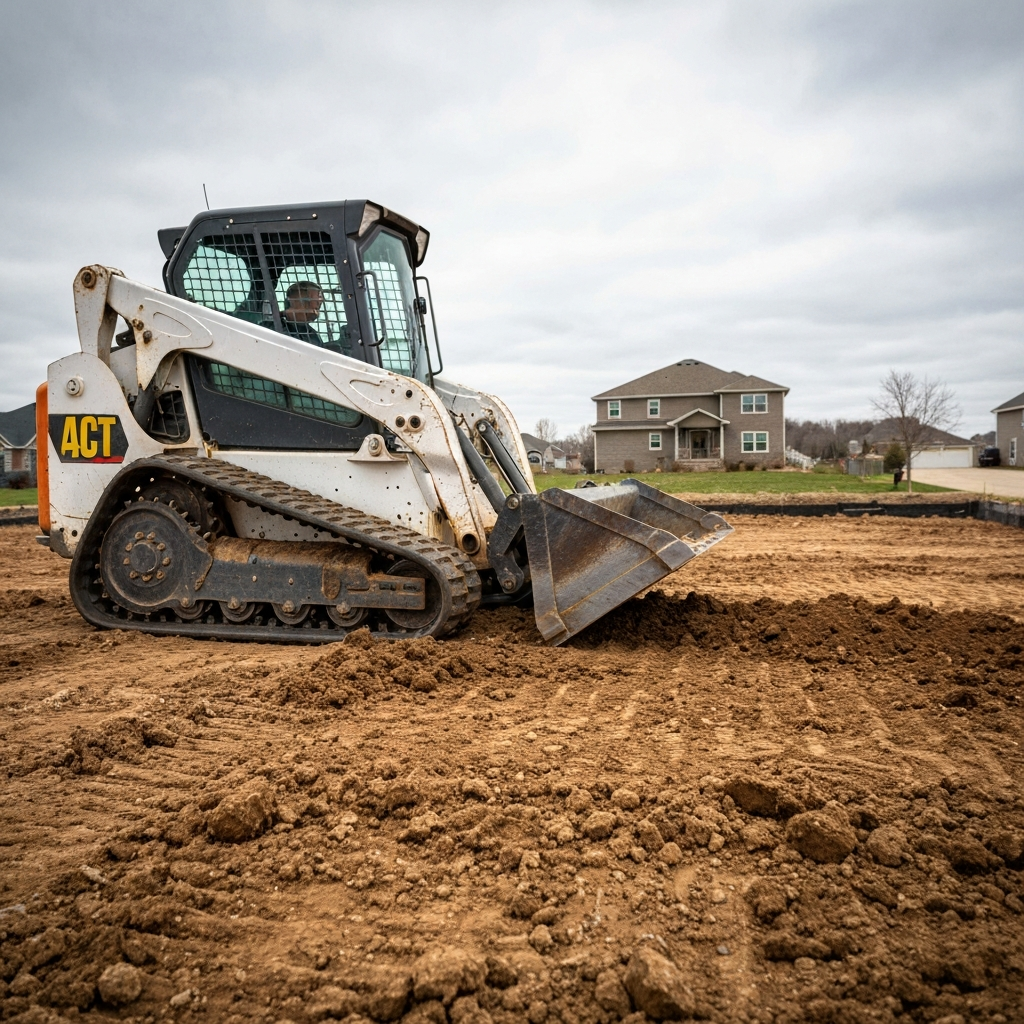
Rough grading establishes the broad shape of the yard. Finish grading refines that shape so water moves properly and the surface is ready for the next phase. In the Flathead Valley, we pay close attention to drainage away from the structure, low spots, swales, and transitions where runoff can change direction during snowmelt.
Soil amendment and leveling
Once the grade is shaped, soil may need to be amended for sod, seed, planting, or bed preparation. This helps improve the growing layer when the existing soil is too rocky, compacted, or poor. Leveling then brings the surface into a cleaner, more usable condition while still preserving the drainage plan.
Ready-for-next-step handoff
The final goal is not just a cleaner yard. The goal is a yard ready for the next step, whether that is sod installation, planting, bed refresh, or hardscaping. We also account for season windows and ground conditions because saturated soil, frozen ground, or active runoff can affect timing and quality.

Related Landscaping Services
Explore the next steps after your yard is prepped and ready.
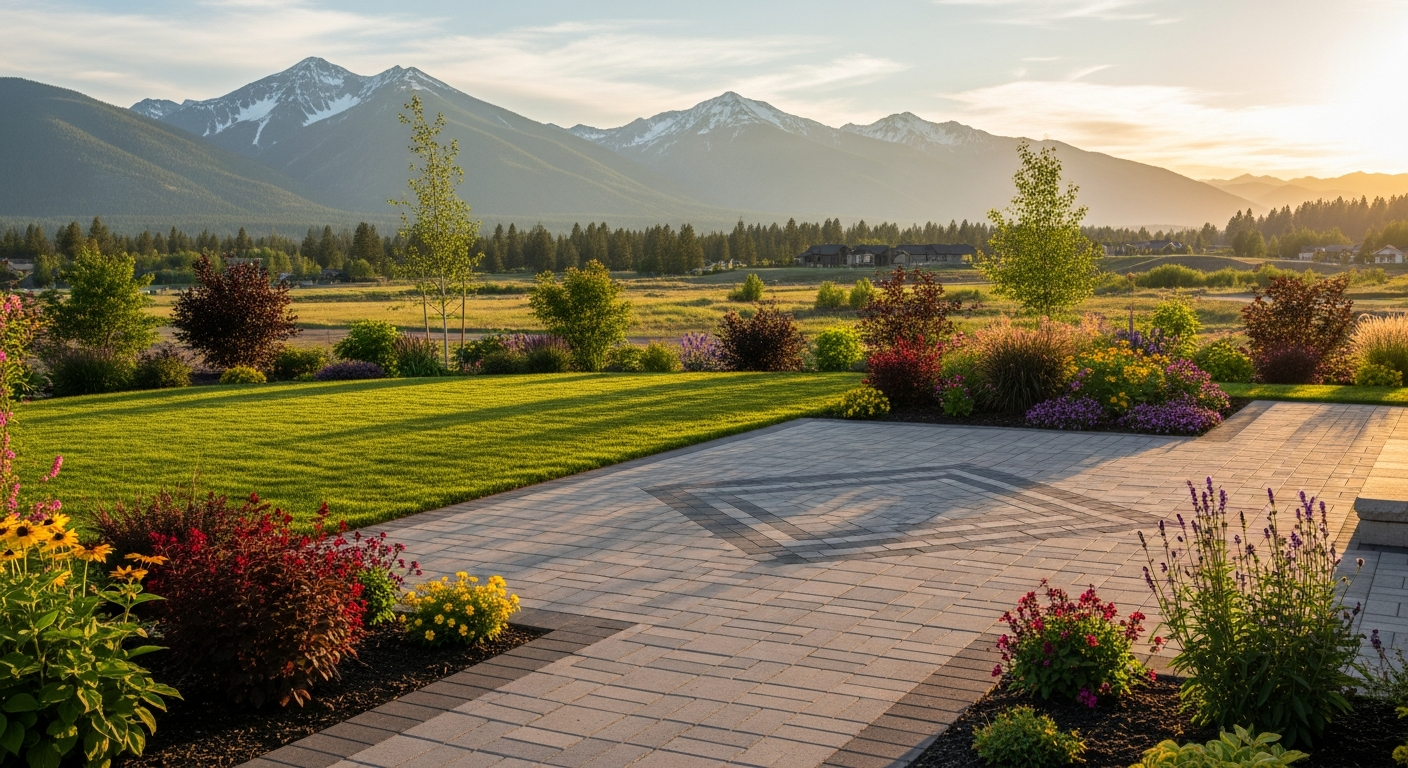
Landscaping Hub
Discover our full range of landscaping services for Kalispell and the Flathead Valley.
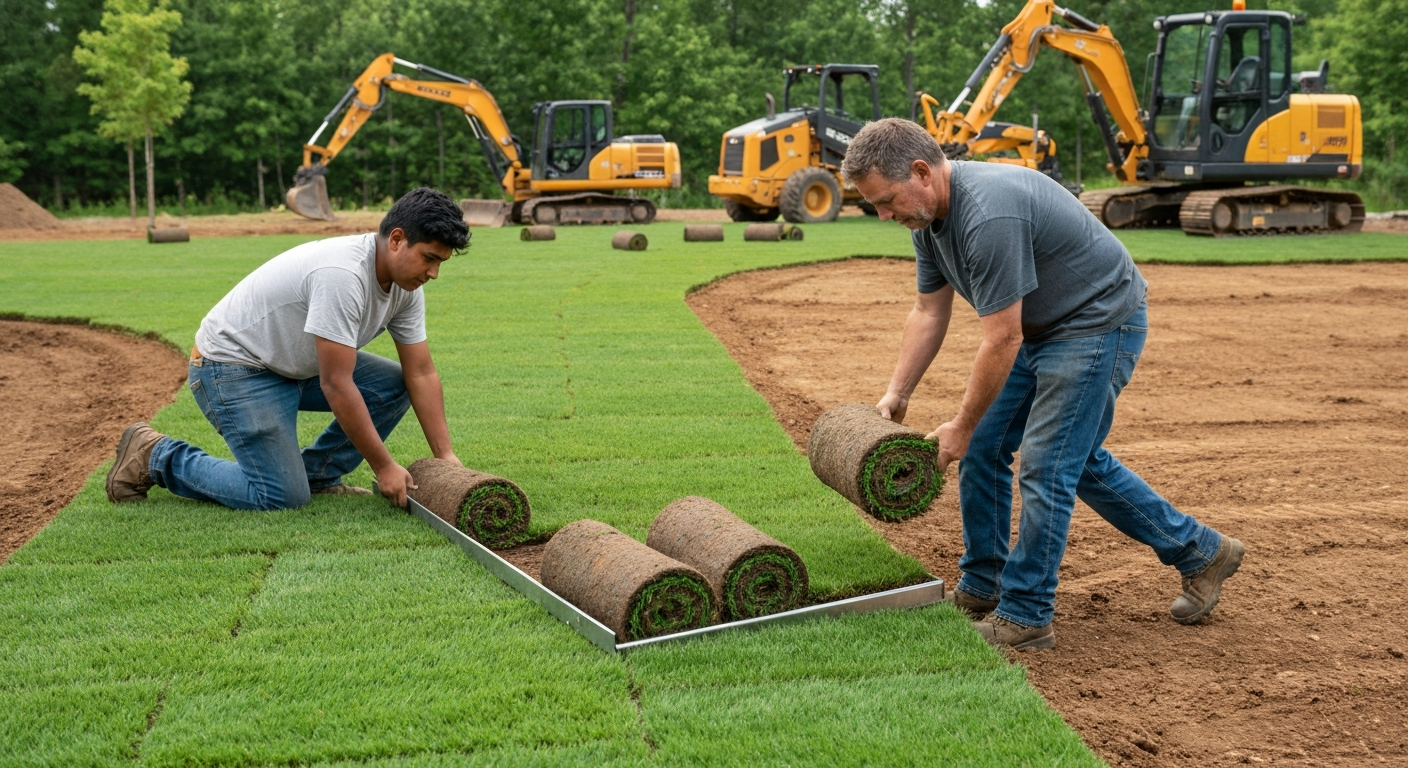
Sod Installation
Instantly transform your prepped yard with a lush, green, cold-hardy sod lawn.
Retaining Walls
Control erosion, manage slopes, and create usable space with engineered retaining walls.
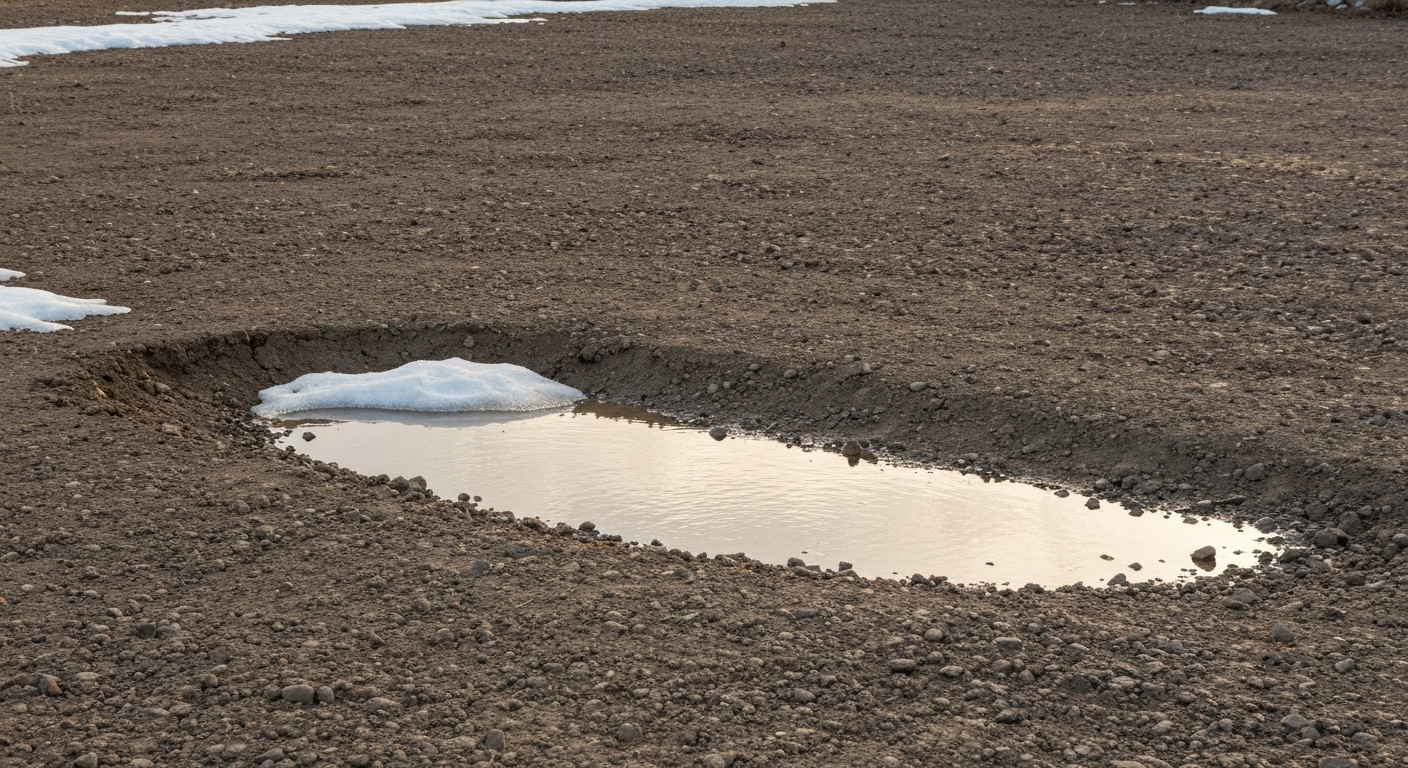
Hardscaping
Patios, walkways, and outdoor living areas built on a solid, well-prepped foundation.
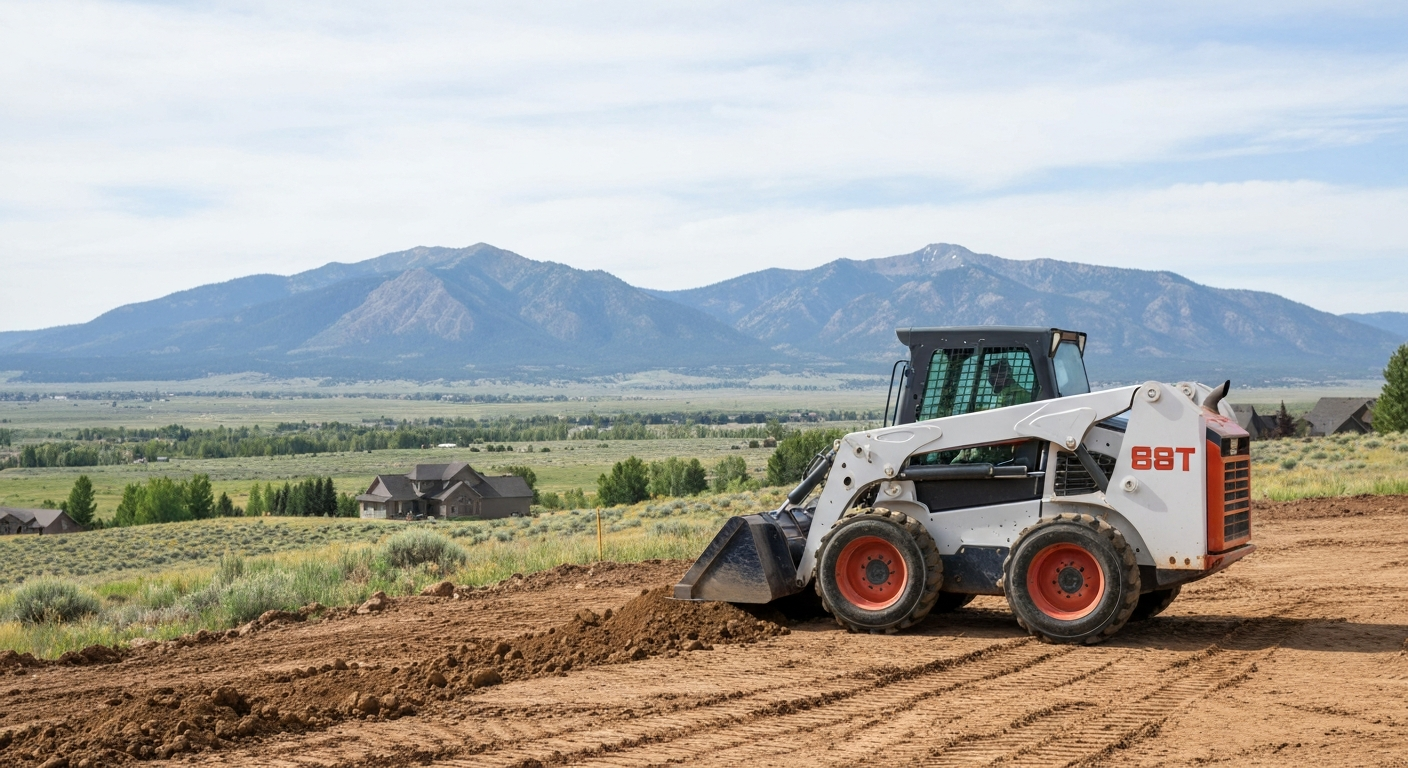
Excavation & Dirt Work
For heavier dirt work, land clearing, building pads, and major site prep.
Proper Prep vs. Skipping Straight to the Finish
Skipping yard prep can look cheaper at first, but it often creates a more expensive problem later. Sod laid over compacted builder dirt may root poorly. Plants installed in rocky, thin soil may struggle through the first growing season. A patio or walkway surrounded by bad grades may have runoff problems around the edges. A lawn that looks flat may still send water toward the house if the slope is wrong.
Our approach is drainage-first and practical. We do not treat yard prep like cosmetic cleanup. We look at water movement, soil condition, surface debris, rock, grading, and the final use of the space. That lets us prepare the yard for what will actually be installed on top of it.
Where We Serve
Streamline Solutions is based in Kalispell and provides yard prep, grading, and cleanup across the locked Flathead Valley coverage area.
Missoula is considered for commercial projects only.
Yard Prep Cost in Kalispell and the Flathead Valley
Yard prep is priced by scope because no two properties have the same starting point. The main cost factors are lot size, the amount of grading needed, soil amendment requirements, debris or rock haul-off, access for equipment, and whether the property is a new-construction lot or an established yard cleanup. A simple seasonal cleanup is very different from preparing a rough builder lot for sod, planting, and hardscape.
Drainage needs can also affect pricing. If water is moving toward the house, pooling in low areas, or cutting across the yard during runoff, the grading plan may require more time and detail. Soil conditions matter as well because glacial clay, rock, gravel, and compacted fill may need more correction before the surface is ready for a healthy lawn or planting beds.
The best way to get accurate pricing is to walk the site and define the outcome. We provide written quotes so you know what is included before work begins.
Request a Site Visit
Every yard is different. We'll walk your property, assess the drainage and soil, and give you a clear, fixed quote for the prep work needed.
Call (406) 909-4342Best For vs. Not Recommended For
Best For:
New-construction yards needing rough dirt cleaned up, established yards needing regrading for drainage, lakeshore and mountain-home lots with runoff challenges, and seasonal spring/fall cleanups to reset the property.
Not Recommended For:
Projects requiring massive earthmoving, building pads, deep utility trenching, or major land clearing. Those heavier scopes belong under our excavation and dirt work service.
The Value of Proper Prep
- Prevents water damage to your foundation
- Ensures sod and plants actually survive their first year
- Creates a smooth, level canvas for hardscaping
- Skipping prep often means paying twice to tear out failed landscaping
Our Recommendation
Before any lawn, planting bed, or hardscape is installed in the Flathead Valley, we recommend three steps: finish grade for drainage, amend the soil where growth is expected, and clear and level the yard before the finished work begins. This is especially important on new-construction lots, properties with glacial clay or rock, and yards that show pooling after snowmelt or spring runoff.
A good-looking landscape starts below the surface. When the grade is wrong or the soil is not ready, the finished work has to fight the property from day one. When the prep is done right, sod, planting, and hardscape have a stronger base to perform.
— Streamline Solutions, Kalispell, MT