
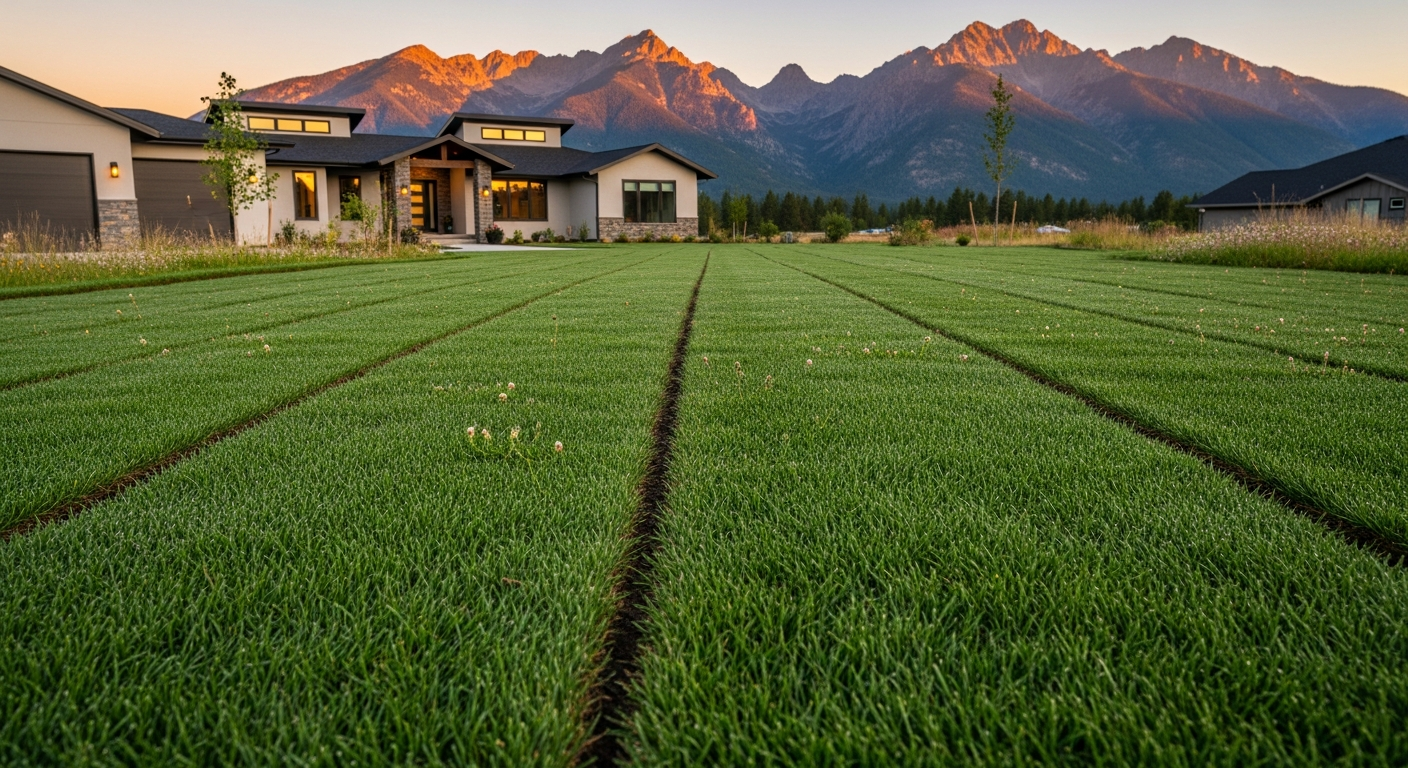
Sod Installation & New Lawns in Kalispell & the Flathead Valley
Instant, established lawns built from the ground up with proper grading, soil prep, and cold-hardy turf designed for Montana's short growing season.
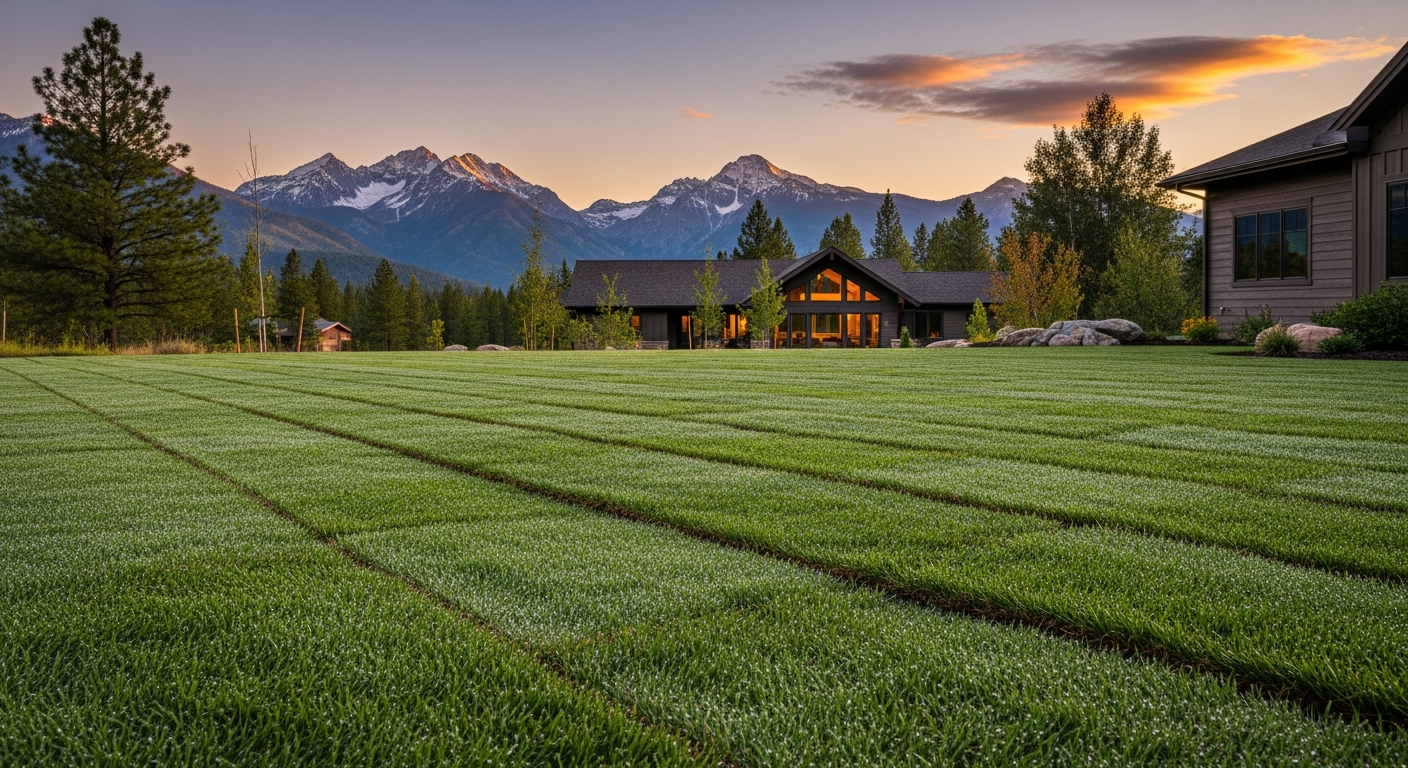
Instant Established Lawn
Green turf placed day-of
Spring & Fall Windows
Targeted for lower heat stress
Soil Prep & Grading
Success starts below the grass
Licensed & Insured
Professional landscape work
Streamline Solutions installs sod and new lawns in Kalispell and across the Flathead Valley for homeowners, new-construction properties, lakeshore lots, mountain homes, and light commercial grounds. In Northwest Montana, sod is often the smarter choice because the growing season is short, late frosts can push into May, and seed can struggle to establish before dry summer heat or early fall weather arrives.
A properly installed sod lawn gives you usable green turf much faster than seeding alone. The difference is not just the roll of sod itself. The real difference comes from grading, soil amendment, drainage planning, irrigation readiness, and choosing a cold-hardy grass blend that can handle Montana winters, dry valley summers, and the freeze-thaw cycle that shows up across Flathead County.
Why Flathead Valley Lawns Fail Before They Ever Get Established
A lawn in Kalispell is not fighting the same conditions as a lawn in a longer, warmer growing region. The Flathead Valley has a high-elevation, short-season reality that can make seeding unpredictable. A late frost, a cold spring, a hot dry stretch, or an early fall can shorten the window before grass has time to thicken.
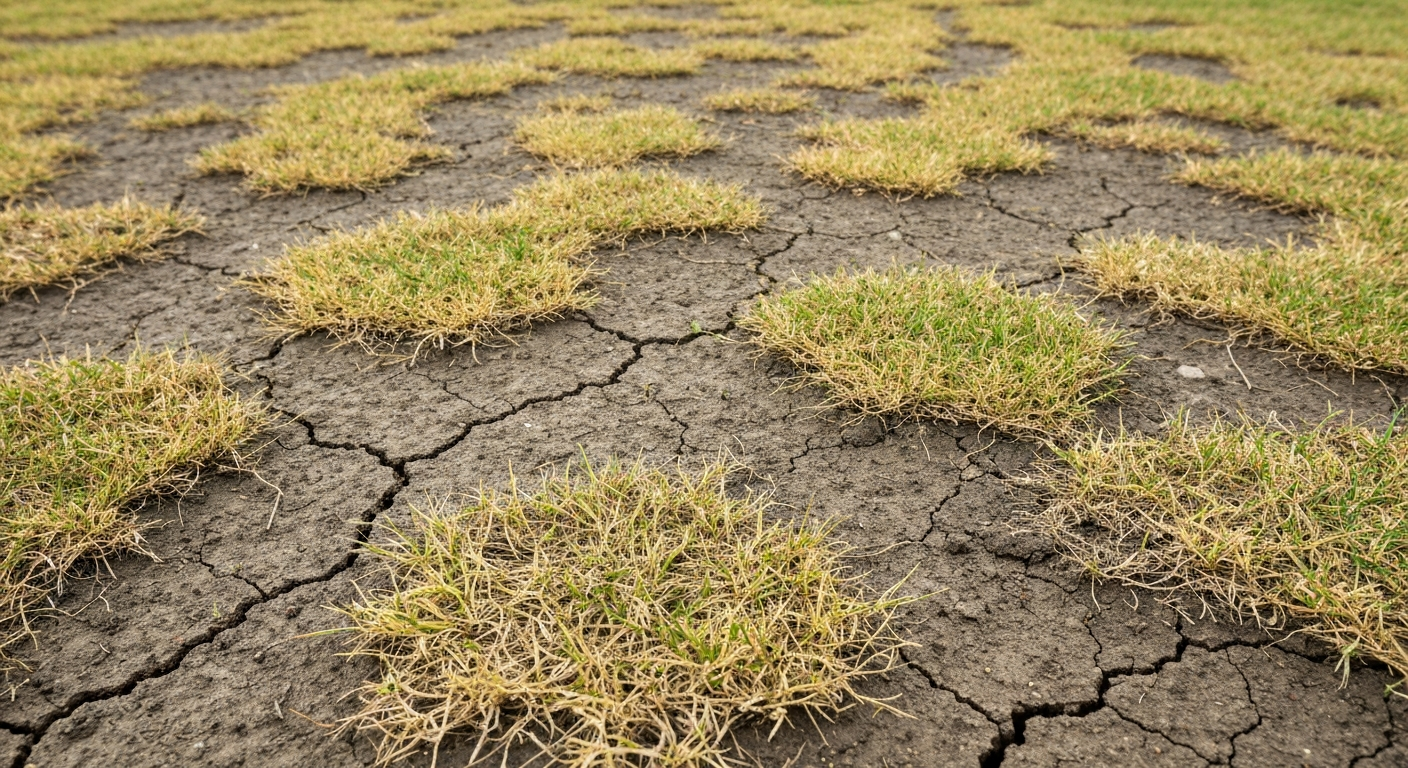
That is why many bare or patchy lawns around Kalispell, Whitefish, Columbia Falls, Bigfork, Somers, Lakeside, and nearby towns do not fail because the homeowner "did something wrong." They fail because the site was never prepared for real Flathead conditions.
New-construction yards are a common example. After building, the lot may be left with compacted subsoil, rock, glacial clay, construction debris, uneven grades, and drainage patterns that send water toward the wrong areas. Seed may wash out, dry up, or get overtaken by weeds before it has enough root mass to compete.
Clay-heavy areas can hold water too long and suffocate roots. Rocky or gravelly areas can drain too fast and leave new turf thirsty. Poor grading can create low spots that drown sod and high spots that burn out in summer. Add dry July and August weather, deer pressure in many residential and mountain-home settings, and a short establishment window, and it becomes clear why lawn installation here has to be planned locally.
Sod helps because it starts with mature turf, but sod is not magic. If the base is compacted, poorly graded, too rocky, or not watered correctly, even premium sod can struggle. Proper prep is what makes sod take.
Where We Install Sod
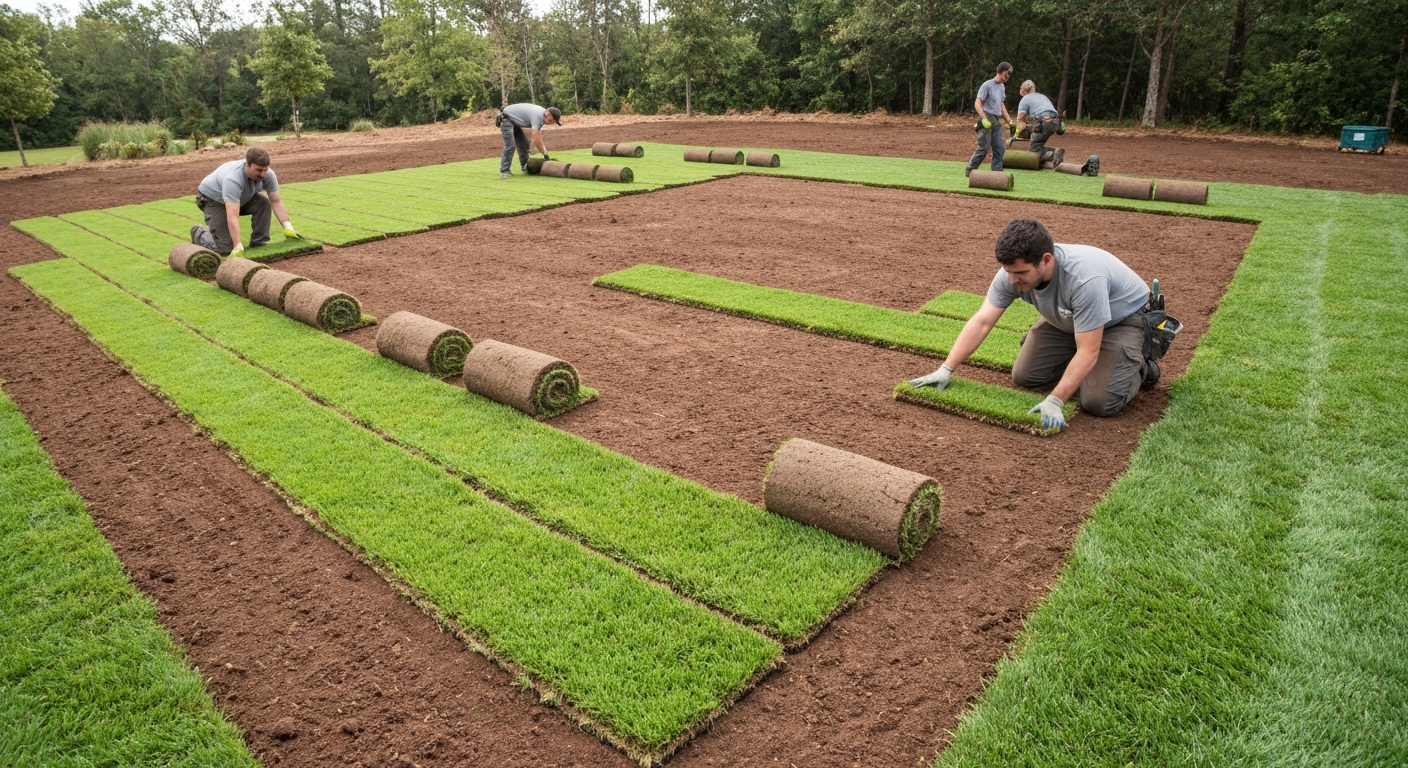
For bare yards, failed lawns, weedy patches, or new-construction dirt lots, Streamline Solutions builds the lawn from the ground up so the sod has the best chance to root, thicken, and hold. We install sod for residential lawns, new-construction yards, lakeshore properties, mountain-home landscapes, and light commercial grounds across the valley.
Residential sod installation is ideal when a homeowner wants a clean, usable yard without waiting through a slow seed establishment period. This works well for front yards, backyards, side yards, pet areas, play spaces, and properties that need curb appeal quickly.
New-construction sod installation is especially common because many building sites are left with compacted soil, rough grade, rock, and inconsistent drainage. We focus on turning rough dirt into a lawn-ready base before sod goes down.
Lakeshore and mountain-home properties often need extra attention to slope, runoff, access, deer pressure, and irrigation. Sod can help stabilize the surface quickly, but only when the grade and watering plan fit the property.
Light commercial sod installation may be a good fit for offices, small retail sites, rental properties, frontage areas, and maintained common spaces. For commercial properties, we focus on practical durability, clean presentation, and a clear scope of work.
What Professional Sod Installation Means for You
A sod lawn is an investment in time and usability. Here is what you get when the turf is installed properly over a prepared base.
Instant green lawn
The most obvious benefit of sod is immediate curb appeal. Instead of looking at bare dirt while seed slowly germinates, you get a finished lawn surface right away. That matters for new homes, properties going on the market, family yards, rental homes, and front yards that need to look complete before the season slips away.
Weed and erosion resistance
Seed leaves exposed soil open for weeds, washout, and wind movement. Sod covers the soil immediately, which helps reduce erosion and gives weeds less open ground to take over. This is especially useful on sloped yards, new-construction lots, lakeshore properties, and areas where spring runoff or summer storms can move loose soil.
Head start on short season
In the Flathead Valley, seed has to germinate, survive temperature swings, fill in, and mature before heat or cold interrupts the process. Sod skips the slowest and riskiest part. With the right watering plan, sod can begin rooting into prepared soil quickly and give the lawn a much stronger start.
Cold-hardy blend
A sod lawn in Northwest Montana should be selected with winter survival and summer durability in mind. Cold-hardy Kentucky bluegrass, fescue, and ryegrass blends are commonly used because they balance density, recovery, drought tolerance, and seasonal resilience. The right blend depends on sun exposure, use, irrigation, and site conditions.
Grading and drainage baked in
A smooth lawn is not only about appearance. Fine grading helps water move away from structures, reduces low wet spots, limits scalp marks when mowing, and gives sod consistent soil contact. When grading, amendment, and leveling are handled before installation, the lawn has a much better foundation.
The Flathead Lawn Deep-Dive: Why Sod Works Here
Kalispell and the surrounding Flathead Valley sit in a zone 4-5 climate pattern, which means lawn work has to respect cold winters, late spring risk, and an early fall slowdown. Seed can work in the right setting, but it depends heavily on timing. When the window is missed, seed may germinate unevenly, remain thin, or leave enough open soil for weeds to win.
Sod gives you a mature turf layer from the start. That is valuable in a short-season area because the lawn is not beginning from bare seed. It arrives as a living mat with established top growth and roots that are ready to knit into the prepared soil below.
The grass blend matters. Kentucky bluegrass is valued for density and recovery, fescue can add toughness and better tolerance in less-than-perfect areas, and ryegrass can contribute fast establishment and wear resistance. A cold-hardy mix is usually better than relying on a single grass type because Flathead properties vary so much from one yard to the next.
Soil is the second major factor. Many local yards contain glacial clay, rock, gravel, or compacted construction soil. These conditions can prevent roots from moving evenly through the base. Before sod goes down, the site may need soil amendment, debris removal, loosening, leveling, and correction of drainage problems.
Watering is the third major factor. Dry valley summers can be hard on new sod, especially in full sun. New sod needs frequent, shallow watering at first so the sod and topsoil stay consistently moist. As roots establish, watering should transition toward deeper, less frequent irrigation that encourages root depth instead of surface dependence.
Sod success relies on the amended soil and grading below the turf.
Our Sod Installation Process
We build the lawn from the ground up, focusing on the soil prep, grading, and installation details that matter for long-term turf health.
Site assessment & grade check
We start by looking at the existing yard, access, slope, drainage, sun exposure, irrigation plan, and soil condition. A lawn in Evergreen or Kalispell may have different drainage needs than a lakeshore property near Somers or a mountain-home site outside Whitefish. The goal is to understand what the lawn needs before pricing or scheduling the work.
Soil prep and amendment
Sod needs good contact with prepared soil. Depending on the property, prep may include removing weeds or failed turf, loosening compacted soil, clearing rock and debris, adding suitable amendment, and correcting areas where clay, gravel, or construction disturbance would limit root growth.
Fine grading and leveling
Fine grading is where the lawn starts to look like a lawn before the sod even arrives. We shape the surface for proper drainage, smooth the grade for mowing, and reduce low spots that can hold water. This step is especially important on new-construction lots where the rough grade may not be lawn-ready.
Sod delivery & same-day install
Sod performs best when it is installed fresh. We plan delivery and installation so rolls are placed promptly, seams are fitted tightly, and the turf is not left sitting in heat longer than necessary. Same-day installation helps protect sod quality and reduces stress on the grass.
Rolling, seams, and soil contact
After sod is placed, seams need to be aligned and pressed into contact with the prepared base. Proper rolling helps remove air pockets and improves root-to-soil contact. This is one of the small details that can make a major difference during the first few weeks.
Establishment watering plan
New sod needs a clear watering plan. The first phase focuses on keeping the sod and top layer of soil consistently moist. After rooting begins, watering transitions toward deeper cycles that support stronger roots. Booking ahead helps line up soil prep, sod availability, and the right weather window.
Related Landscaping Services
For broader landscape improvements, sod can be paired with hardscaping, yard shaping, or other landscaping services to create a more complete outdoor space.
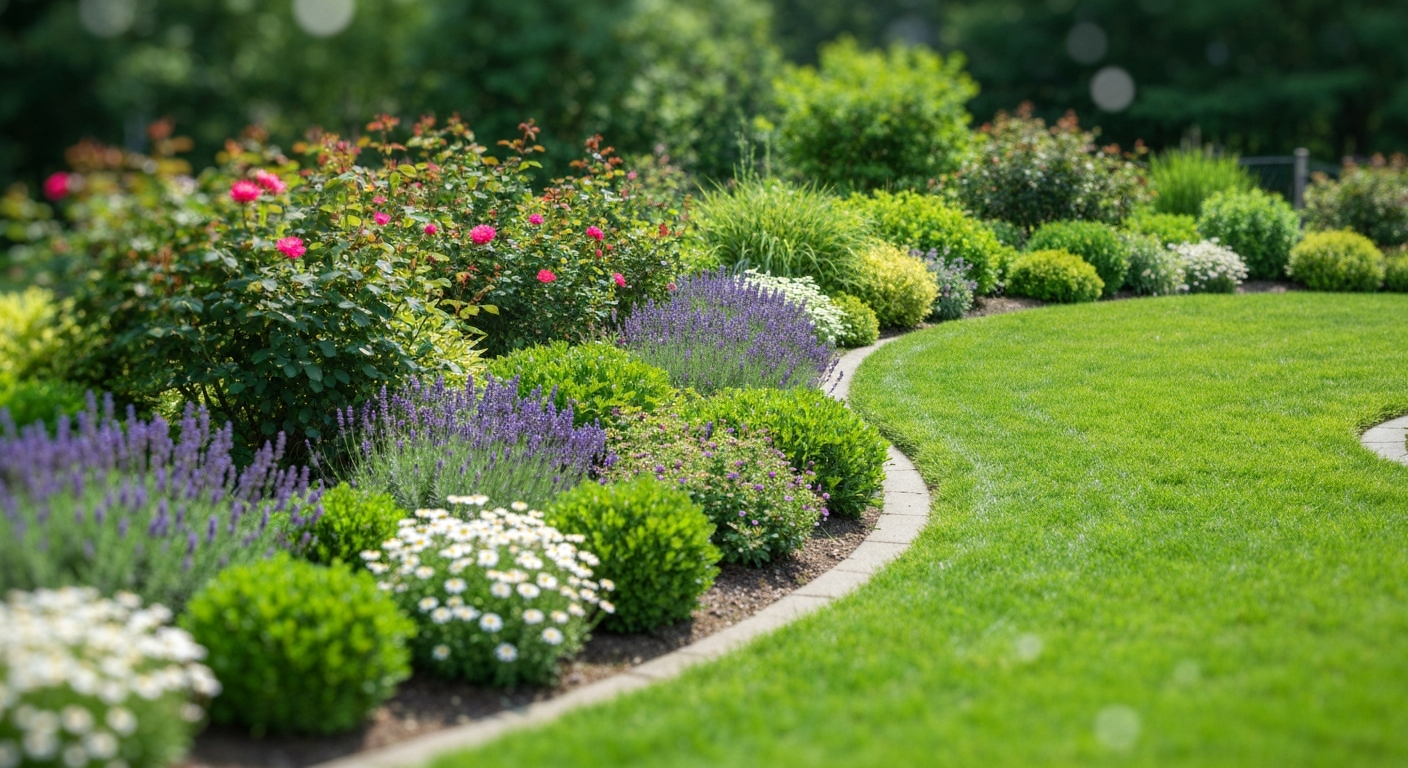
Landscaping Hub
Explore all our landscaping services, from design and grading to full landscape refreshes across the Flathead Valley.
Learn more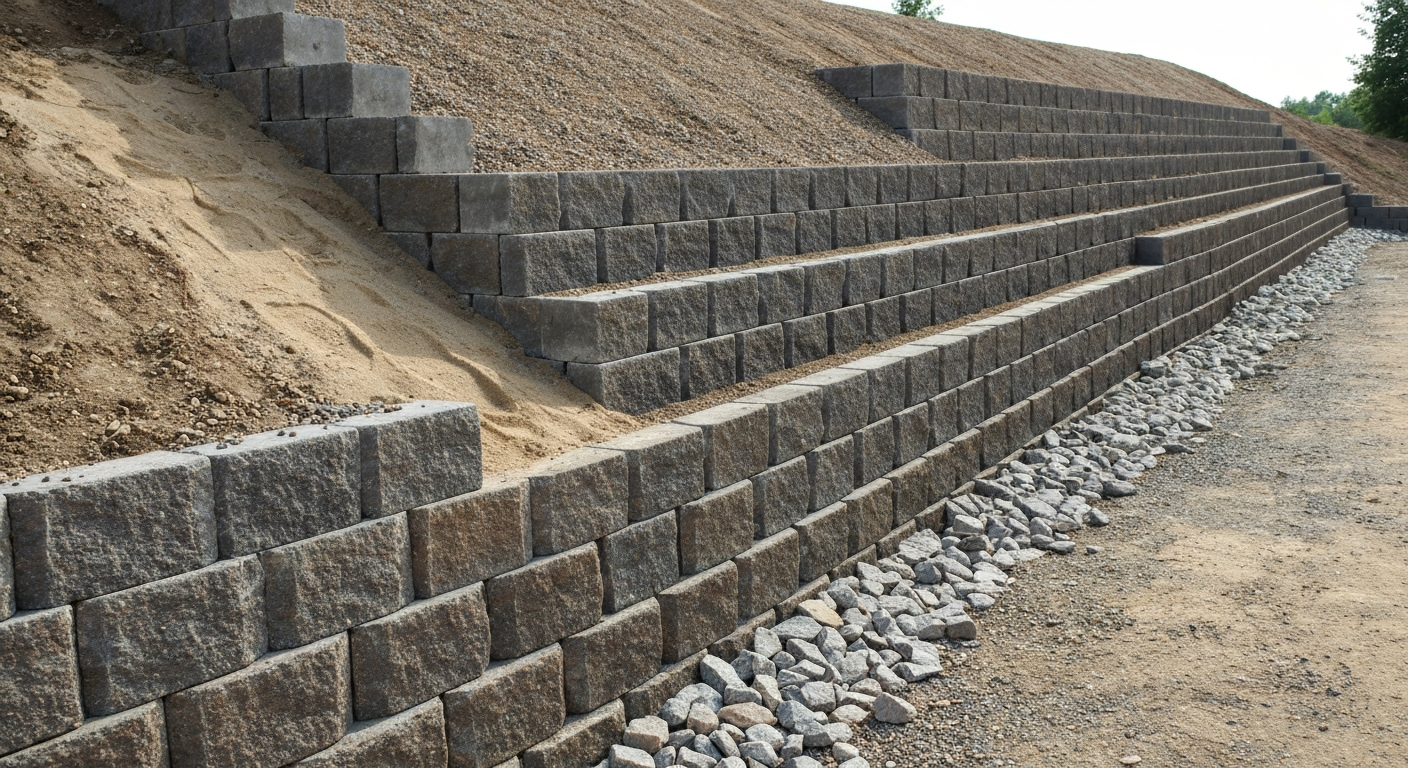
Retaining Walls
Engineered wall systems built to hold grade, manage drainage, and survive Montana's freeze-thaw cycles.
Learn more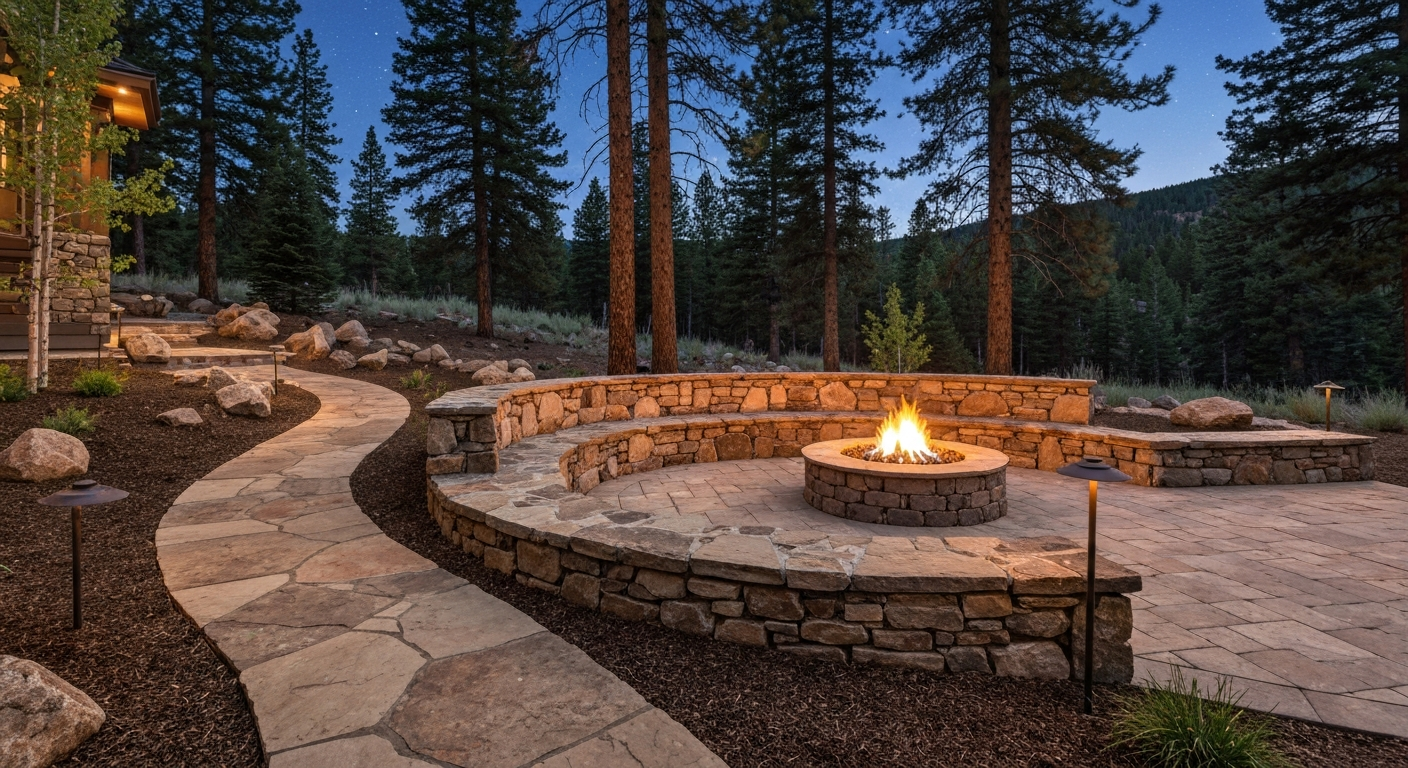
Hardscaping
Outdoor living spaces, fire pits, and seating walls built on deep compacted bases for lasting stability.
Learn more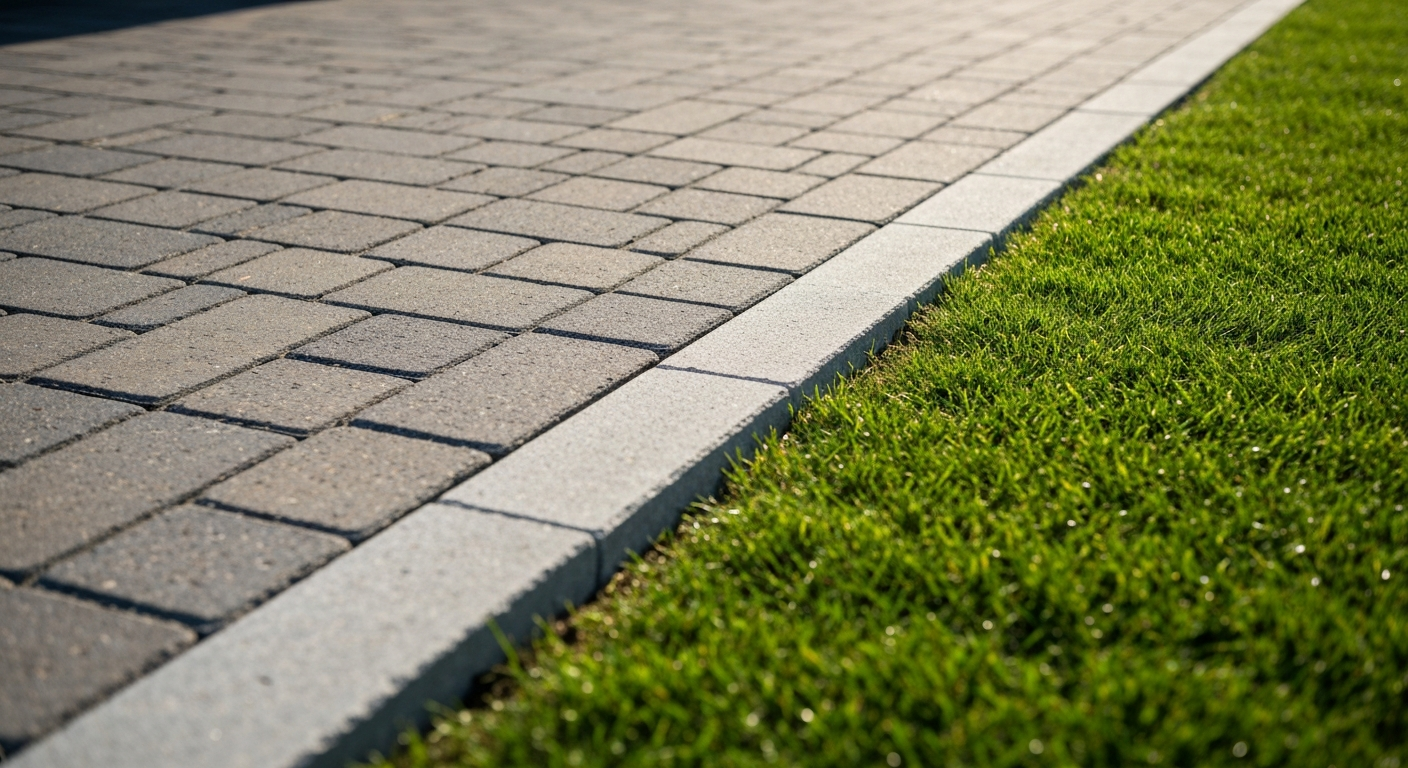
Paver Patios
Flexible, durable paver surfaces that handle frost movement better than rigid poured concrete slabs.
Learn more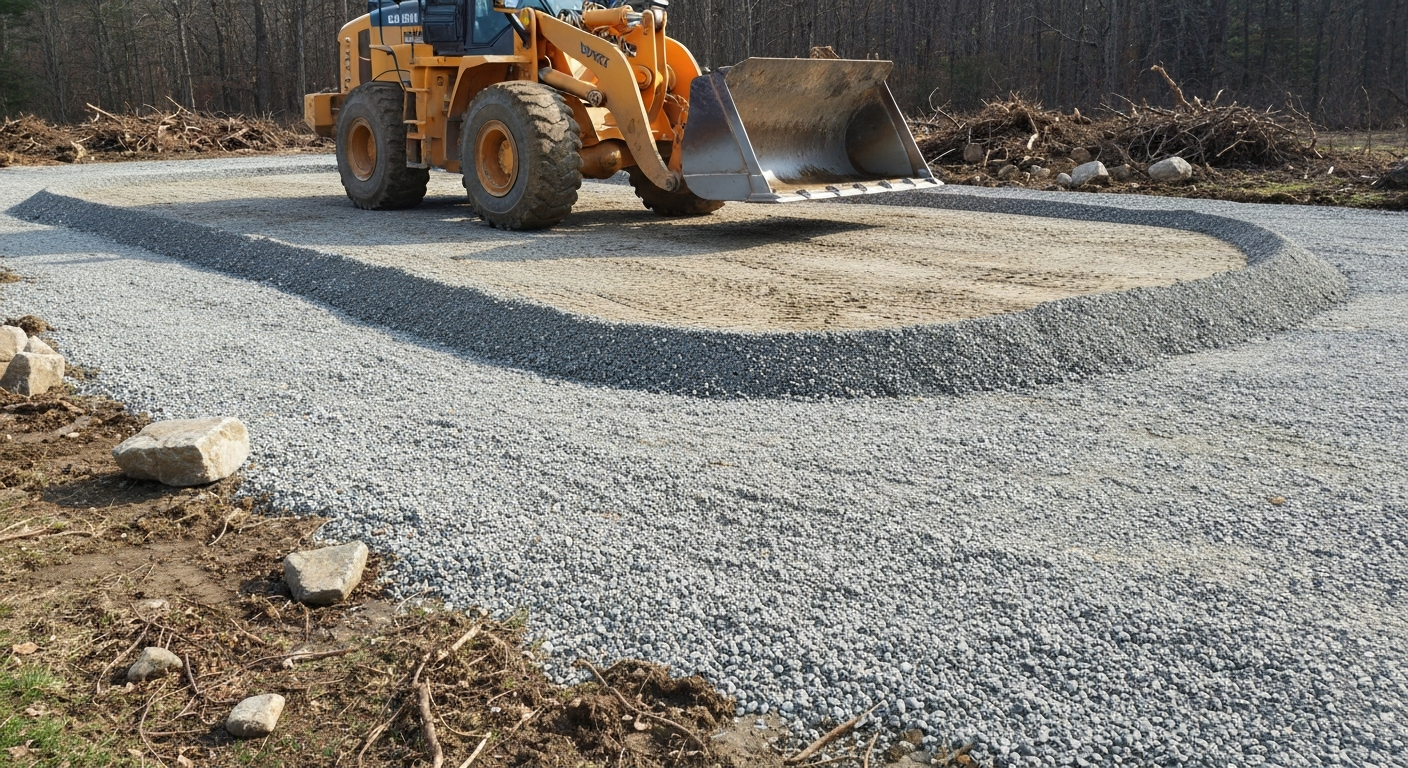
Yard Prep & Grading
Site clearing, dirt work, and fine grading to prepare rough lots for sod, hardscaping, or complete landscaping.
Learn moreSod vs. Seed for the Flathead Valley
Seed can still make sense for some properties. If the area is large, the budget is tight, the timing is ideal, and the owner is comfortable with a longer establishment period, seeding may be a reasonable option. For many Kalispell and Flathead Valley lawns, though, sod is the more predictable route.
| Factor | Sod | Seed |
|---|---|---|
| Speed | Creates an instant green lawn the day it is installed. | Can take weeks to germinate and much longer to fill in. |
| Short-season fit | Strong fit because the lawn starts with mature turf. | Riskier because the germination and thickening window is narrow. |
| Weed resistance | Covers soil immediately and leaves less open ground for weeds. | Exposed soil can invite weeds before grass fills in. |
| Erosion control | Helps hold soil quickly on slopes, disturbed areas, and new yards. | More vulnerable to washout from storms or irrigation. |
| Cost | Higher upfront cost due to sod material, delivery, prep, and labor. | Lower upfront cost, but may require reseeding, weed control, and more time. |
| Best use | New lawns, failed lawns, curb appeal, short-window installs, erosion-prone areas. | Larger low-priority areas, budget-sensitive spaces, or projects with flexible timing and good irrigation. |
Service Area
Streamline Solutions is based in Kalispell and installs sod across Flathead County and Northwest Montana. Missoula is considered for commercial projects only.
Sod Installation Cost in Kalispell and the Flathead Valley
Sod installation is priced by the square footage of the lawn, the amount of soil prep required, the grading and drainage work needed, sod type, access, and whether the yard is a simple replacement or a new-construction start from rough dirt. A clean, accessible lawn with workable soil usually costs less than a rocky, compacted, uneven lot that needs significant prep before sod can be installed.
New-construction yards often require more work because the lawn area may need rock removal, soil amendment, fine grading, and drainage correction. That prep adds cost, but it also protects the investment. Laying sod over poor soil to save money upfront can lead to thin areas, pooling water, dry patches, and a lawn that never roots evenly.
The most accurate way to price sod is with a written quote based on the actual site. Streamline Solutions can look at the lawn area, talk through the goal, identify prep needs, and provide a clear scope before work begins.
Sod Myths vs. Reality
Understanding the truth about sod installation helps you make the right choice for your Flathead Valley property.
Myth: Seed is just as good and always cheaper in Kalispell
Seed can be cheaper upfront, but it is not always cheaper by the time weeds, washout, patching, and reseeding are considered. In the Flathead Valley, the short growing window makes seed more timing-sensitive. Sod costs more at installation, but it gives the lawn a faster and more reliable start.
Myth: You can lay sod any time in summer
Sod can sometimes be installed during warmer periods, but hot dry weather raises the risk. Spring and early fall are usually better because soil is workable and heat stress is lower. If summer installation is necessary, watering has to be consistent and taken seriously from day one.
Myth: Sod does not need much watering once it is down
New sod needs frequent watering at first because the roots have not yet grown into the prepared soil. The first couple of weeks are especially important. After rooting begins, the watering plan should shift gradually toward deeper irrigation.
Myth: Sod will fix bad soil by itself
Sod can improve the look of a yard immediately, but it cannot correct compacted clay, buried rock, poor drainage, or uneven grade on its own. The base still matters. Soil prep and grading are what allow the sod to root and hold long term.
Best For
- New lawns and new-construction properties
- Failed or weedy lawns that need a fresh start
- Instant curb appeal before placing a home on the market
- Erosion-prone slopes where seed would wash out
Not Recommended For
- Large low-priority budget areas with flexible timing
- Properties with good irrigation where seed fits the budget and timeline
- Installing over compacted clay or poor drainage without prep
Streamline Solutions Recommendation
For a typical Flathead Valley lawn, we recommend preparing the soil first, correcting grade and drainage, installing a cold-hardy sod blend during spring or early fall when possible, and following a clear establishment watering plan. That approach gives the sod the best chance to root before dry summer stress or early cold weather becomes a problem.
For new-construction yards, we would rather spend the necessary time on grading, amendment, and debris correction before placing sod than rush the visible finish. A green lawn only lasts when the base below it is ready.
— Streamline Solutions, Kalispell, MT
Get a Sod Installation Quote
Streamline Solutions is licensed and insured, and we stand behind our workmanship with clear expectations, practical guidance, and a project scope that matches the site. We do not use vague promises or one-size-fits-all lawn advice. A sod lawn in the Flathead Valley needs to be built for the soil, grade, weather, watering plan, and real use of the property.
Licensed & Insured
Professional Protection
Written Quotes
Clear Scope of Work
Local Kalispell Crew
Be our first Flathead Valley review.
Sod Installation FAQs
Common questions about sod, seed, watering, and installation in Northwest Montana.
