

Grading in Kalispell & the Flathead Valley
Grading Kalispell properties takes more than pushing dirt flat. Proper lot grading & drainage Flathead Valley work shapes soil so water moves away from homes, structures, drive areas, low spots, and usable yard space.
Why Flathead Lots Hold Water
Many Flathead Valley lots hold water because the surface no longer gives runoff a clear path away from the property. Water may collect after rain, irrigation, thaw cycles, or spring snowmelt. In some cases, the yard only looks wet for a few weeks each year. In other cases, the same low spot stays soft long after nearby ground has dried.
A common issue is runoff moving toward a foundation instead of away from it. This can happen on older homes where soil has settled, on new sites where backfill was not shaped correctly, or on rural properties where drive areas and yard surfaces were added over time. When water moves toward a foundation, crawlspace edge, garage, shop, or basement wall, grading becomes a priority because the surface is directing water to the wrong place.
Spring snowmelt can make these problems more visible. Snow can hold moisture across a yard for weeks, then release it into the ground and across the surface over a short period. If the lot is flat, compacted, or sloped toward a structure, that water often collects in low areas instead of moving away.
Flathead Valley soils can also complicate drainage. Clay-heavy ground can hold moisture near the surface. Glacial rock and cobble can create uneven drainage paths where water moves through pockets, channels, or compacted layers instead of spreading evenly. A yard may seem dry in one area while another area stays soft, rutted, or difficult to maintain.
Soggy yards create practical problems. They are harder to mow, difficult to landscape, and frustrating to use. Parking areas can rut. Walk paths can wash out. Drive approaches can carry water into places where it causes erosion or soft edges. Rural acreage can develop low spots that limit access or make certain areas difficult to maintain.
"It only happens in spring" is still worth addressing when the same area gets wet year after year. Repeated wetting can stress soil, damage landscaping, soften access routes, and move material where it does not belong. Grading does not need to be dramatic to help. Often, the right cut, fill, and slope correction gives water a better path and makes the lot more usable.
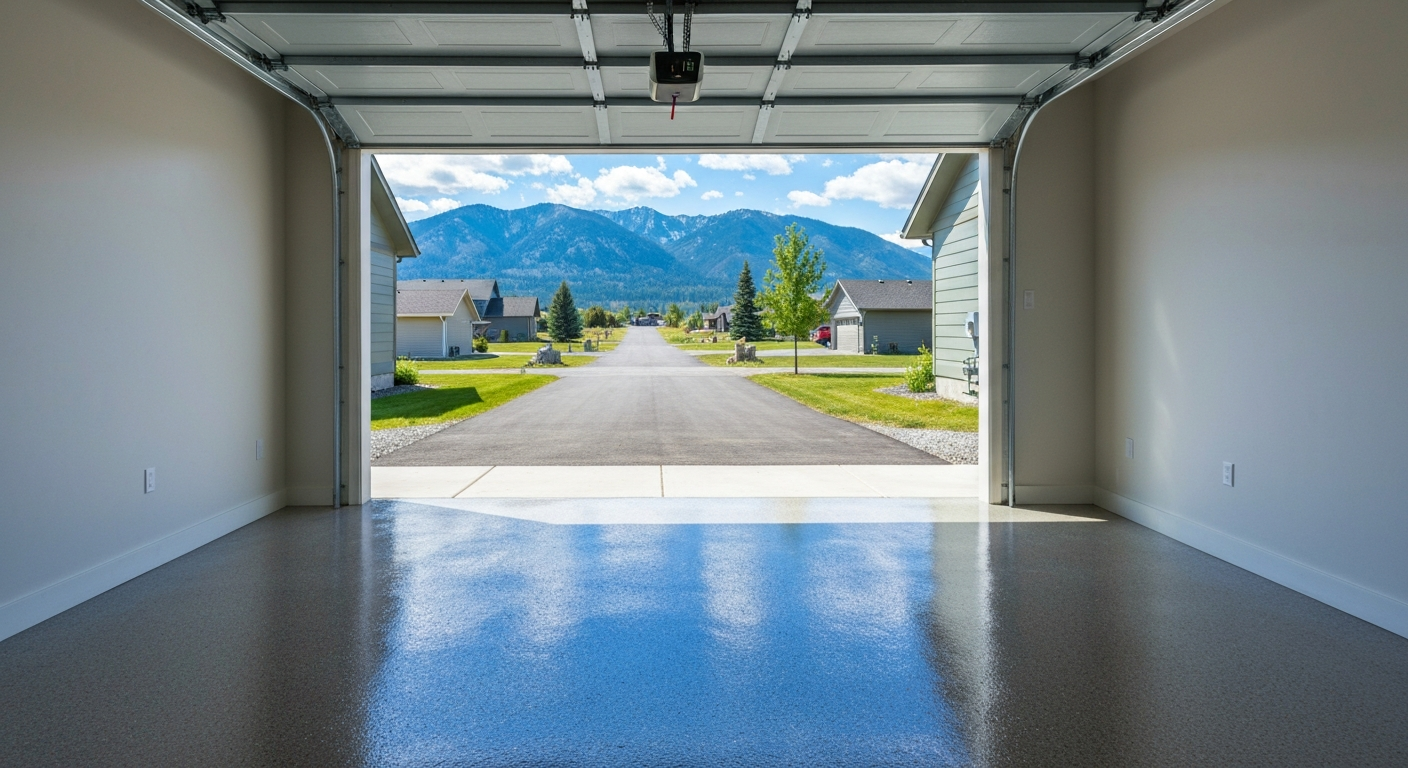
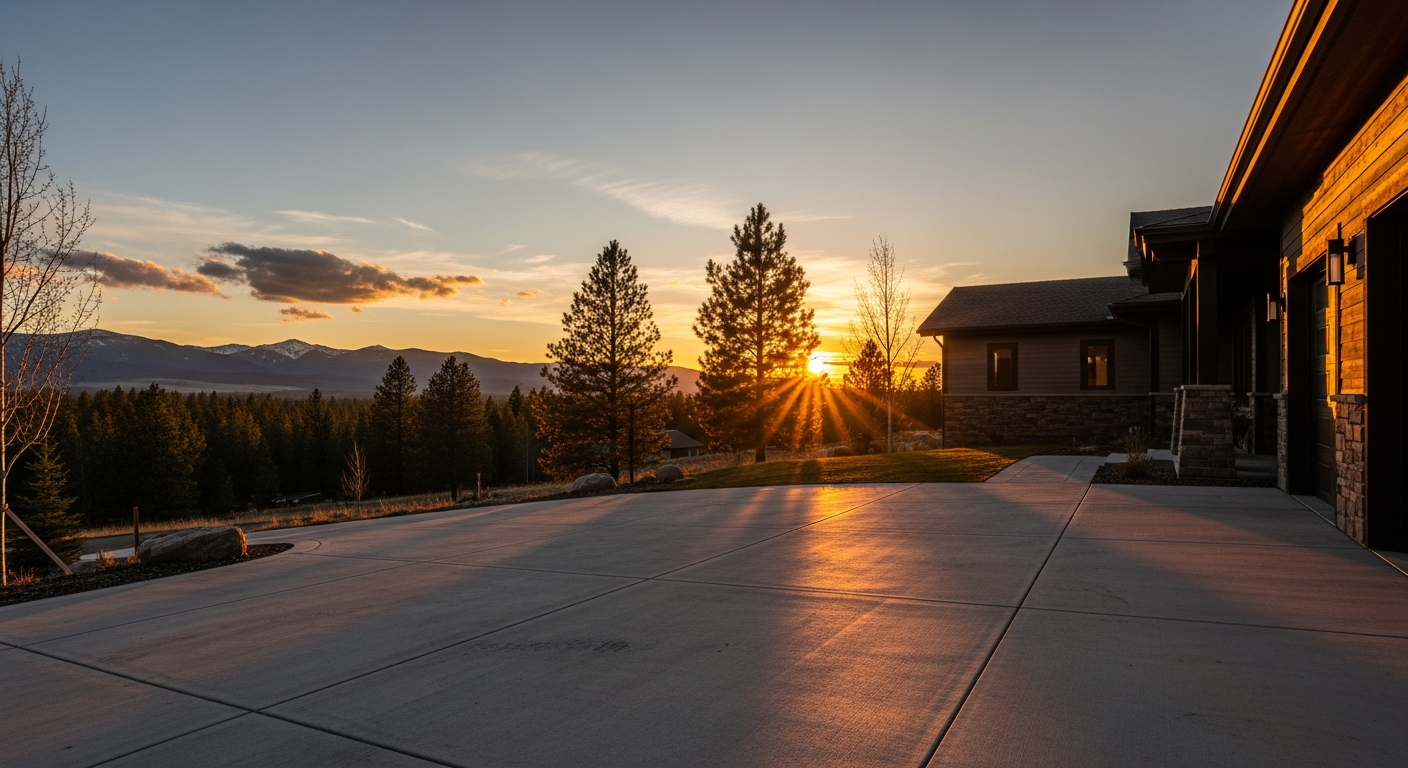
What Streamline Solutions Does / Grading Approach
Streamline Solutions performs grading as practical excavation and drainage earthwork. The work starts with understanding how water currently moves across the lot, where it collects, and where it can safely go. From there, the ground is shaped through controlled cutting, filling, and contouring.
Cutting high areas and filling low areas can help establish slope-to-drain. On some properties, this may involve moving soil across a yard to correct a settled area. On others, it may involve reshaping a drive approach, rural access area, or yard edge so runoff no longer travels toward a structure.
Low spots are addressed by giving water a path out. Simply adding material to a low area without changing the surrounding slope can move the problem a few feet away. Streamline Solutions looks at the surrounding ground so the correction makes sense across the larger drainage pattern.
Rough grading is used when larger soil movement and broader slope correction are needed. This can help reshape uneven lots, rural acreage, drive transitions, or new work areas before the surface is refined. Finish grading is used when cleaner final contours are needed before landscaping, seed, gravel, or other surface preparation.
Where appropriate, Streamline Solutions can shape earth swales using soil contours to direct water toward a safe low point. These are earthwork drainage shapes, not poured drainage structures. The intent is to guide runoff with the grade itself while avoiding new problems for structures, roads, neighboring properties, or other sensitive areas.
This service is part of Streamline Solutions' broader excavation and dirt work services. Grading often connects with site prep when a property needs larger soil movement before a later phase. It may also follow land clearing when brush, small trees, or overgrowth have hidden uneven ground and drainage issues. For properties preparing for usable outdoor space, grading can also coordinate with yard prep before landscaping, seed, gravel, or planting areas are added.
Flathead Valley properties often include clay, glacial rock, cobble, compacted soil, uneven rural lots, and limited access. Those conditions matter. Overcorrecting the grade can send water toward a neighbor, road, garage, shop, or another low area. Streamline Solutions focuses on practical correction, not unnecessary reshaping.
Benefits of Professional Grading
Positive slope away from the home
Professional grading helps establish positive slope so water moves away from the home instead of settling against the structure. This is especially important around foundation edges, crawlspaces, garages, and shop areas where repeated wetting can create long-term maintenance concerns.
Less pooling and standing water
Low spots collect runoff because water has nowhere else to go. Grading can cut high areas, fill low areas, and shape the surface so water drains toward a planned outlet instead of sitting in the same place after every thaw or storm.
Better snowmelt runoff control
Northwest Montana snowmelt can send a large amount of water across a property in a short time. A graded surface gives that water a more predictable path, which helps reduce soft spots, rutting, and uncontrolled runoff.
Improved protection for usable property areas
Proper grading can help protect foundation edges, crawlspace entries, garages, shops, sheds, parking areas, and yard surfaces. The work is not about making the lot perfectly flat. It is about creating a surface that works with gravity instead of against it.
More usable lot surface
A wet or uneven yard is harder to maintain. Grading can improve areas intended for mowing, landscaping, access, parking, gravel work, planting beds, or future site work by giving the ground better shape and drainage direction.
Cleaner transitions across the property
Drive areas, yards, slopes, and drainage paths often meet at awkward elevations. Grading can smooth those transitions so water does not hang up at edges, wash across access points, or collect where people need to walk, park, or maintain the property.
Local Depth: Flathead Drainage, Snowmelt, Clay, and Slope
Flathead Valley grading is influenced by the way Northwest Montana properties handle water through changing seasons. Winter snowpack can sit across a yard for months, then release water during late winter and spring thaw. When the surface is poorly shaped, that water often collects near structures, in drive approaches, or across low-use corners of the lot.
Clay-heavy and compacted glacial soils can hold water near the surface. Instead of soaking in quickly, runoff may travel across the top of the ground until it reaches a low point. If that low point is beside a foundation, crawlspace edge, garage, shop, or basement wall, the grade should be reviewed.
Rock and cobble can also make drainage uneven. Water does not always move uniformly through rocky ground. It can find pockets and channels, leaving one area dry and another area saturated. Grading cannot change every subsurface condition, but it can improve the surface path so runoff is not encouraged to collect in the wrong place.
Mountain and lakeshore properties often have steep-to-flat transitions. A hillside may shed water quickly, then release it into a flatter yard, drive area, or lakeshore lot where it slows down and pools. Bigfork lakeshore properties, Whitefish hillside sites, and rural lots outside Columbia Falls can all have drainage concerns shaped by elevation changes and soil conditions.
The highest-priority grading concern is usually water moving toward a structure. Water should not be encouraged to sit against foundation edges, crawlspace entries, garage slabs, shop areas, or basement walls. Proper slope-to-drain gives runoff a planned path away from structures and toward an acceptable low point.
Reshaping low spots is often more effective than repeatedly adding topsoil. Added material may temporarily hide the problem, but if the surrounding grade still drains into the same area, the low spot can return or shift. Controlled grading addresses the shape of the surface, not just the visible depression.
Grade Correction Example
How We Work
Streamline Solutions walks the lot and assesses water flow, low spots, slope direction, access, and soil conditions. This review helps identify whether the problem is caused by a settled area, poor surface slope, compacted soil, drive runoff, or a combination of conditions.
Streamline Solutions plans slope and drainage targets based on the structure location, usable yard areas, drive approaches, and safe discharge points. The plan considers where water is currently going and where it can reasonably be directed without creating another problem.
Streamline Solutions cuts and fills where needed to reshape the lot without creating a new drainage issue. Some jobs only need a simple re-grade, while others require more planning because of access, clay, rock, buried utilities, existing landscaping, or limited discharge options.
Streamline Solutions establishes positive grade away from structures, garages, shops, crawlspace edges, and other sensitive areas. The goal is to move water away from areas where repeated wetting can cause maintenance problems.
Streamline Solutions rough grades first when larger soil movement is required, then refines the surface with finish grading when appropriate. This approach helps the lot take shape before the final contours are cleaned up for later landscaping, gravel, seed, or surface prep.
Streamline Solutions completes a final drainage check to confirm the surface has a practical path for runoff. The finished grade should support the intended use of the area while giving water a clear direction to move.
Related Services
Site Prep
Prepare building pads, shop sites, and gravel bases with proper compaction and drainage planning.
Land Clearing
Clear brush, small trees, and overgrowth to open up usable space and prepare for dirt work.
Excavation & Dirt Work
View all excavation, grading, and drainage dirt work services for Flathead Valley properties.
Myth vs. Reality
Myth
A flat yard is good drainage.
Reality
A yard can look clean and still hold water if there is no planned slope-to-drain. Water needs direction. A surface that appears level may still collect runoff after snowmelt, irrigation, or rain.
Myth
Grading is just spreading dirt.
Reality
Proper grading is controlled cut, fill, shaping, compaction awareness, and drainage planning. The goal is not simply to add soil. The goal is to shape the ground so water moves in a practical direction.
Myth
You only grade for new builds.
Reality
Existing homes, older yards, gravel approaches, rural lots, and landscaped areas often need re-grading after settling, snowmelt, erosion, or previous poor drainage. A property can develop drainage problems years after construction.
Myth
Clay soil cannot be drained.
Reality
Clay-heavy soil is challenging, but reshaping the surface so water has a path away from structures can still make a major difference. The grade should work with the site conditions instead of relying on the soil to absorb all runoff.
Capabilities & Limitations
Positive slope moves water away from structures
Low spots and pooling corrected with cut and fill
Rough and finish grading + earth swales available
Does not install poured drainage structures or hardscape
Deeper subsurface water issues may need another solution
Frozen, saturated, or snow-covered ground may delay work
Where Grading Fits
Best For
Residential lots that pool or drain toward the home, driveway/gravel approaches, areas around foundations/garages/shops/crawlspaces, yard re-grade before landscaping, rural acreage, lakeshore/mountain runoff paths.
Not Recommended For
Deep subsurface water problems with no surface discharge point — those may need an added drainage solution beyond surface grading.
Cost of Grading in the Flathead Valley
The cost of grading in the Flathead Valley depends on the property, the soil, and the amount of earthwork required. A small re-grade around a low yard area is different from reshaping a larger rural lot, correcting a drive approach, or preparing an area before landscaping.
Pricing depends on lot size and how much cut and fill are needed. Soil conditions also matter. Clay, rock, cobble, and compacted ground can change how the work is approached and how much time is needed.
Equipment access is another major factor. Tight yards, slopes, existing landscaping, fences, trees, utilities, and limited turn-around space can affect production. The amount of material that must be moved, imported, reused, or hauled away also affects the quote.
Some projects only need rough grading to correct the larger slope. Others need finish grading so the surface is cleaner and ready for landscaping, gravel work, yard prep, seed, or another phase. The right scope depends on what the property owner wants to do next.
Where We Serve
Streamline Solutions Recommendation
"When water is moving toward a foundation, standing in the same low spot after every thaw, or washing out a drive or yard transition, it is usually better to address the grade early. Small drainage problems are often easier to correct before more material moves, landscaping is installed, or access areas become rutted. A site review can show whether a practical re-grade, rough grading, finish grading, or earth swale shaping is the right next step."
— Streamline Solutions, Kalispell, MT
Ready to Fix Your Drainage?
Be our first Flathead Valley review.
