Shop Floor Coatings in Kalispell & the Flathead Valley
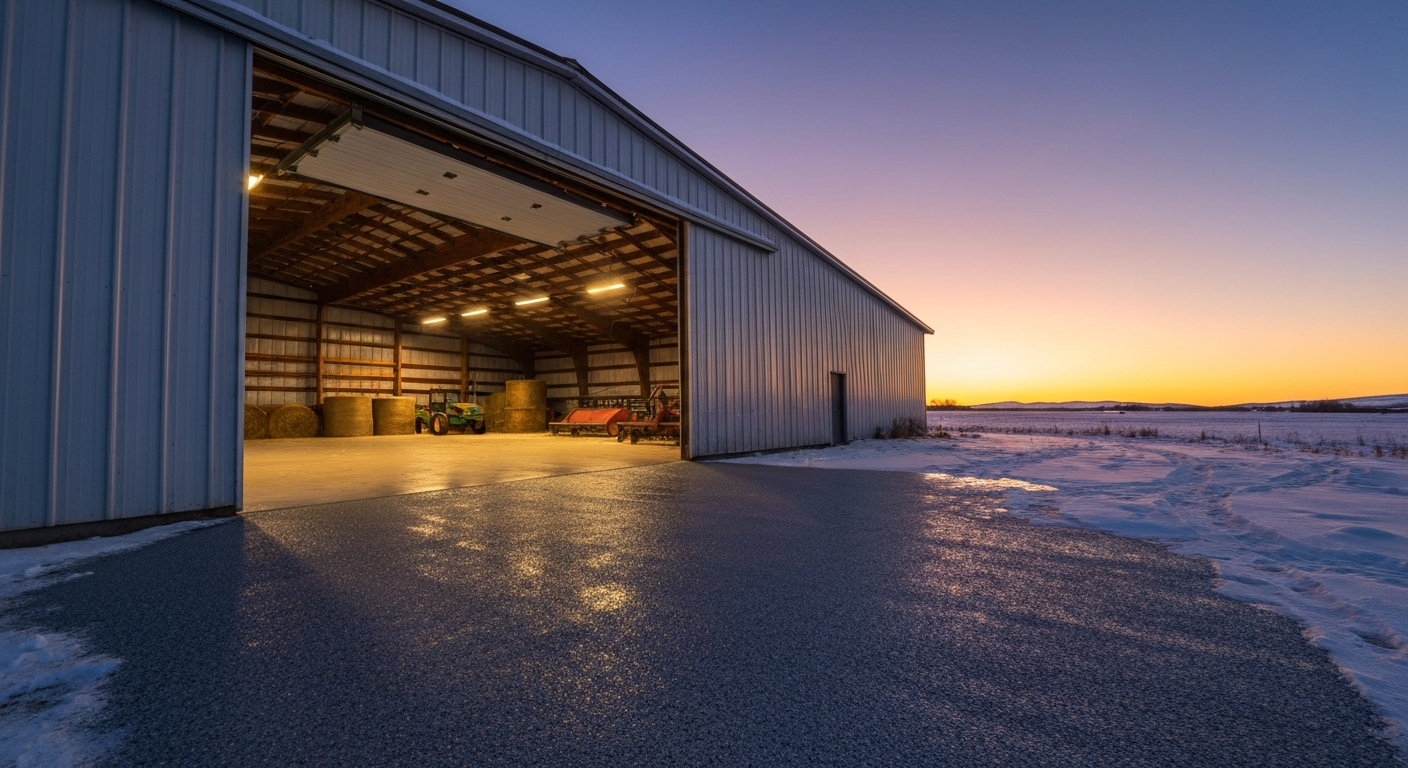
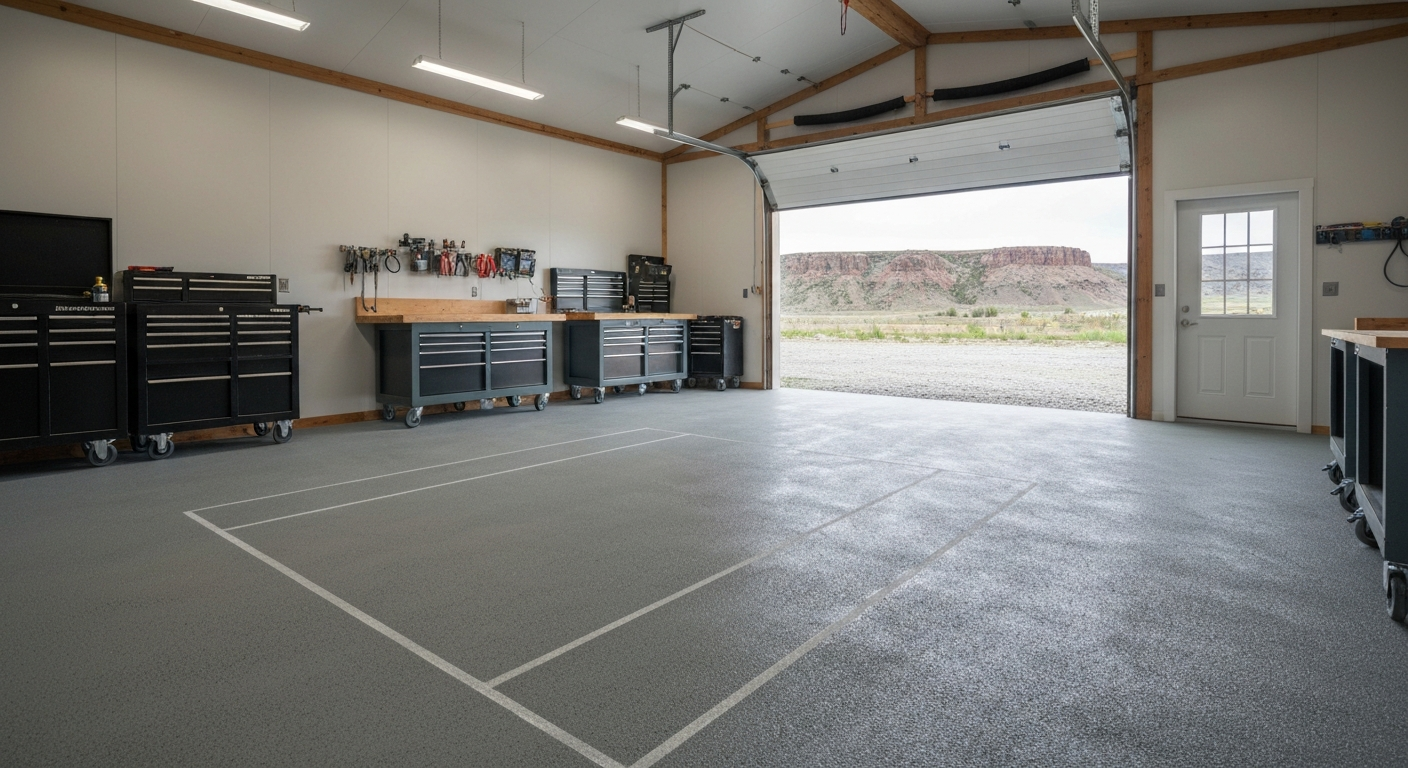
Shop-grade coating systems for pole barns, outbuildings, and working floors — built for equipment, chemicals, and Montana winters.
The Local Problem: Montana Shop Floors Take the Hardest Use on the Property
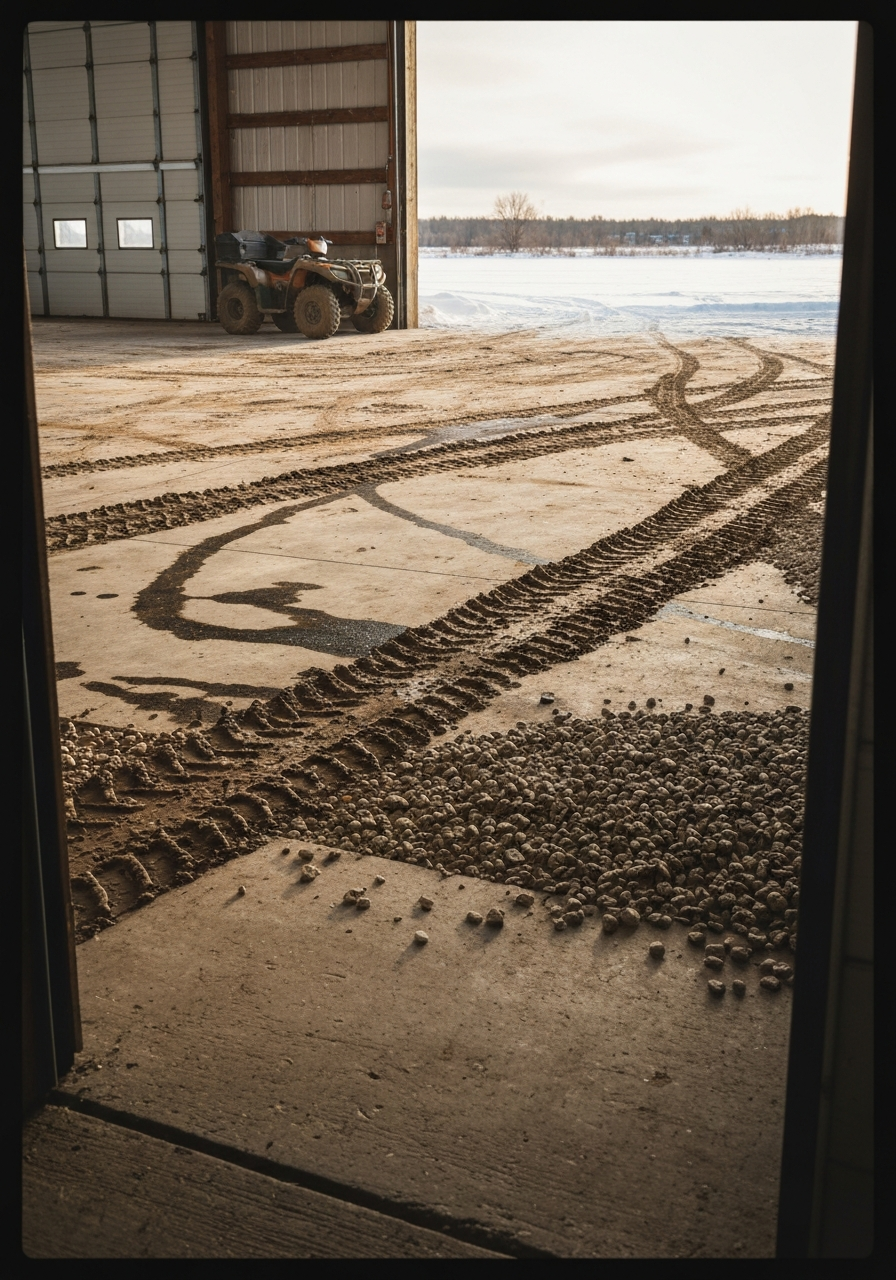
A shop floor often works harder than the garage attached to the house. In Northwest Montana, shops and pole barns see snow-covered trucks, muddy ATVs, sleds, tractors, plows, trailers, tool carts, compressors, lumber, steel, fuel cans, oil changes, tire work, and seasonal storage. The slab may be unheated, partially heated, older, dusty, stained, or previously painted.
Bare concrete does not hold up well under that kind of use without protection. It absorbs oil and chemicals, sheds concrete dust, stains quickly, and becomes harder to clean every year. Gravel, road salt, mag chloride, and frozen mud get tracked inside. When the snow melts, moisture sits on the slab and carries residue into pores, cracks, and surface defects.
Many shop owners try to live with the dust until the floor becomes a maintenance problem. Others roll on paint or sealer, only to see tire paths, peeling, scratches, hot-tire pickup, or worn-through areas appear after real use begins. A working shop floor needs more than a cosmetic finish. It needs preparation, coating build, repair work, and a topcoat selected for the environment.
What We Do: Shop-Grade Systems for Existing Concrete
A shop floor coating is a bonded protective system installed over existing concrete to make a work floor cleaner, tougher, easier to maintain, and better suited for equipment, tools, vehicles, chemicals, mud, snow, and daily shop use. Unlike a basic garage floor coating that may be chosen mainly for appearance, a shop floor coating has to be specified around work: floor jacks, jack stands, rolling toolboxes, dropped steel, welding areas, fabrication corners, ATV and sled storage, tractor traffic, oil drips, hydraulic fluid, tracked-in mud, and cold Montana slab conditions.
At Streamline Solutions, we install shop floor coatings in Kalispell and throughout the Flathead Valley for detached shops, pole barns, outbuildings, hobby-mechanic bays, storage buildings, and working concrete spaces. Our focus is not on making every floor look like a showroom. The goal is to protect the existing slab, reduce dust, improve cleanability, add practical traction, and choose a system that makes sense for how the shop is actually used.
Streamline Solutions installs shop-grade coating systems over existing concrete surfaces. We are Concrete Surface Protection Specialists, which means we coat, seal, protect, restore, and upgrade concrete that is already in place. We evaluate the slab, the building conditions, and the intended use before recommending a system.
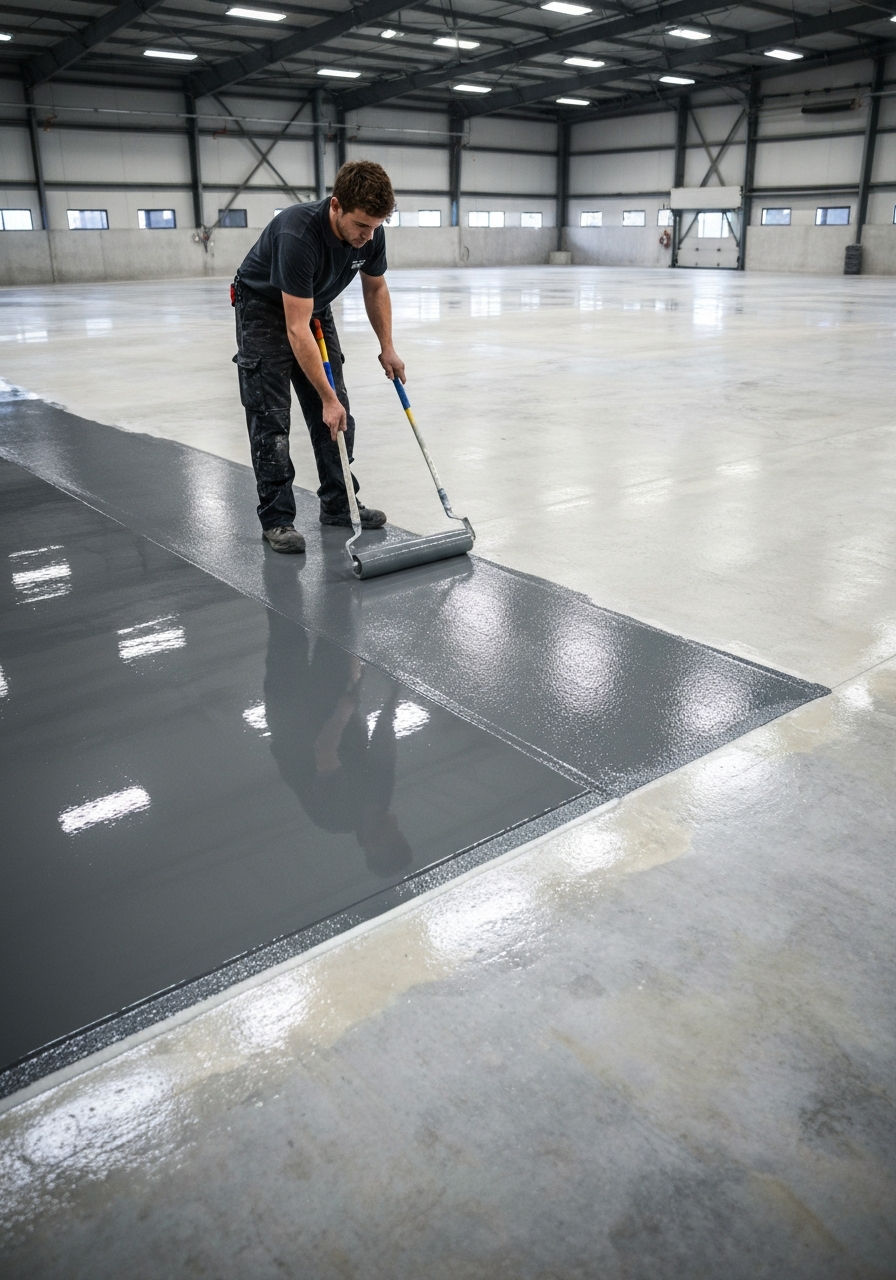
For shop floors, the right system may include a high-build epoxy base, a full-broadcast flake layer for camouflage and traction, and a polyaspartic topcoat for abrasion resistance, chemical resistance, cleanability, and faster return-to-service when conditions allow. In some shops, a simpler coating or sealer may be more practical. In others, a heavier system is justified because the floor sees equipment, chemicals, and daily work.
We pay close attention to older shop slabs. Oil contamination, dusting concrete, previous paint, soft surface areas, moisture concerns, and uneven wear can all affect how the floor should be prepared. A shop floor coating is only as reliable as the surface beneath it, so preparation and honest evaluation matter more than sales shortcuts.
Benefits of a Professional Shop Floor Coating
Less Concrete Dust in the Building
Concrete dust is one of the most common complaints in working shops. It settles on tools, shelving, vehicles, compressors, equipment, stored materials, and anything kept near the floor. Sweeping bare concrete can make the problem worse because the surface continues to shed. A professional shop floor coating helps seal off the working surface so the slab produces less dust during normal use. That makes the shop easier to keep clean and more comfortable for mechanical work, storage, fabrication, and everyday property maintenance.
Easier Cleanup After Mud, Snow, and Equipment Use
Montana shops collect mud, snow, gravel, and road residue from trucks, ATVs, sleds, tractors, trailers, and boots. On bare concrete, that mess soaks in and leaves stains. On a properly coated floor, the surface is easier to sweep, squeegee, blow out, mop, or spot clean. This matters most in larger buildings. A 1,200-square-foot pole barn or outbuilding takes real time to clean. A coated floor can reduce that maintenance burden and make the space feel more usable throughout the year.
Better Protection from Oils, Fluids, and Chemicals
Shop floors see more chemical exposure than typical residential garages. Oil, hydraulic fluid, brake cleaner, fuel residue, grease, solvents, degreasers, coolant, and equipment fluids may all contact the floor. A bare slab absorbs many of those materials quickly, leaving dark stains and long-term contamination. A shop-grade coating system helps create a protective wearing surface over the concrete. Spills still need to be cleaned promptly, especially stronger chemicals, but the coating gives the slab a much better defense than raw concrete.
More Practical Traction Under Work Conditions
A shop floor should not be overly slick, especially when snowmelt, mud, or fluids are present. At the same time, it should not be so rough that rolling toolboxes, jacks, creepers, or carts become frustrating to use. Coating systems can be adjusted for that balance. Full-broadcast flake systems can add visual texture and useful surface profile. Topcoat selection and texture choices help determine the final feel of the floor. For shops, traction and cleanability need to be discussed together.
Stronger Visual Camouflage for Real Work
Shop floors get used. Even careful owners will eventually drag something, drop something, spill something, or track something in. A solid-color floor may look clean at first, but it can show scratches, tire marks, dust, and wear more clearly. Full-broadcast flake systems are often practical in shops because they camouflage dust, gravel, stains, repaired areas, and daily wear better than a plain coating. The finish still looks clean, but it does not demand showroom-level care to remain presentable.
Better Use of Large Shop Square Footage
Many Montana properties have large shops, pole barns, and outbuildings. Those floors represent a lot of usable square footage, but bare concrete can make the space feel unfinished and harder to maintain. A professional coating can make the entire building more functional. Equipment storage, tool areas, hobby bays, work zones, and walking paths all benefit from a cleaner, more protected surface. For owners who spend real time in their shop, that upgrade changes how the building works day to day.
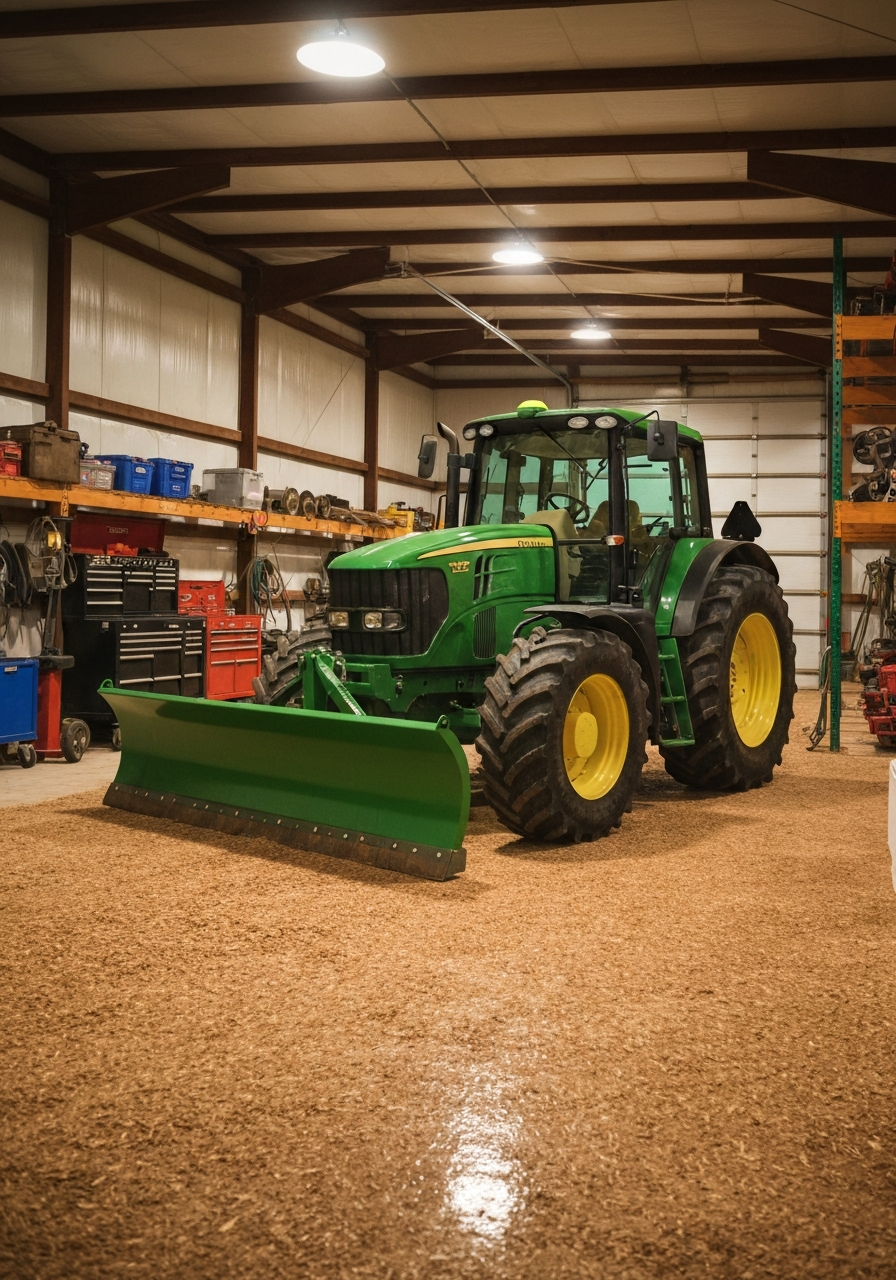
Why Shop Floors Are Specified Differently Than Garage Floors
Shop floors are not just oversized garage floors. They often see heavier loads, sharper impacts, more chemical exposure, more abrasion, and more variable building conditions. That changes the way the coating should be selected.
Equipment loads matter. Floor jacks, jack stands, tractors, trailers, plows, compact equipment, and heavy storage can create concentrated pressure points. A coating system should be selected with the understanding that a shop is a work surface, not just a parking area.
Chemical exposure also matters. A residential garage may see occasional oil drips or road residue. A shop may see hydraulic fluid, fuel, grease, degreasers, brake cleaner, cutting fluids, and repeated cleanup. The topcoat needs to be chosen with those exposures in mind, and the owner still needs to clean strong chemicals before they sit too long.
Unheated and partially heated buildings create another layer of planning. Coatings cure based on product chemistry, slab temperature, air temperature, humidity, and ventilation. A shop that feels warm at head height may still have a cold slab. That can affect cure windows, adhesion, return-to-use timing, and whether a project should be scheduled during certain weather conditions.
Older shop slabs also create preparation challenges. Oil contamination, dusting, previous paint, soft concrete, freeze-thaw wear, and patched areas all need to be evaluated before coating. A professional shop floor system has to start with the slab that actually exists, not the slab everyone wishes were there.
Our Shop Floor Coating Process
Shop use review and project goals
We start by learning how the shop is used. A storage building, hobby-mechanic bay, fabrication corner, sled and ATV shop, pole barn, and equipment building all have different coating needs. We discuss vehicles, equipment, chemicals, welding areas, heat, drainage, cleaning habits, and expected traffic.
Existing slab inspection
We inspect the concrete for cracks, pitting, spalling, dusting, previous paint, oil contamination, moisture concerns, soft surface areas, old sealers, repairs, drains, stem walls, door thresholds, and access limitations. Shop slabs often have more history than residential garage slabs, so this step is important.
Building condition review
We consider whether the building is heated, unheated, or partially heated. Slab temperature, air temperature, humidity, ventilation, and seasonal conditions can affect product selection and scheduling. If the slab is too cold or conditions are not suitable, we will explain the limitation instead of forcing the coating.
System recommendation
Based on the floor and use case, we recommend a system. A high-build epoxy base may be used for body and adhesion. A full-broadcast flake layer may be recommended for camouflage and practical texture. A polyaspartic topcoat may be selected for durability, chemical resistance, abrasion resistance, UV stability, and return-to-service needs.
Diamond grinding for mechanical preparation
We prepare the concrete with diamond grinding, not acid etching. Grinding creates a mechanical profile, removes weak surface material, and helps expose areas that need repair or further preparation. In shops with old paint, dusting concrete, or surface contamination, preparation can be the difference between a coating that lasts and one that fails early.
Contamination and coating removal where needed
Oil-stained or previously coated floors may need additional preparation. Failing paint, old sealers, weak coatings, and contaminated surface material should not be buried under a new system. If contamination is severe, we will discuss what can be improved and what limitations may remain.
Crack, pit, and surface repair
Appropriate cracks, divots, pitting, spalls, and damaged areas are repaired before coating. Repairs help create a cleaner and more stable work surface. Moving cracks, major slab movement, and deep structural problems may still telegraph over time and should be discussed before installation.
Base coat installation
The selected base coat is applied to the prepared slab. In many shop systems, this layer provides build, adhesion, and the receiving surface for broadcast material. Product choice depends on slab condition, temperature, desired durability, and the final finish.
Broadcast or finish layer
If a full-broadcast flake system is selected, flakes are broadcast into the wet base coat until the floor reaches the intended coverage. This adds visual camouflage and a practical surface profile. For other shop systems, the finish layer is installed according to the performance goals of the project.
Scrape, clean, and prepare for topcoat
After the broadcast layer cures, excess material is removed and the surface is scraped to control texture. The floor is then cleaned and prepared for the clear topcoat. This step helps balance traction, rolling tool movement, and cleanability.
Protective topcoat application
The clear topcoat becomes the working surface of the shop floor. Polyaspartic topcoats are often recommended because they can provide strong protection when installed correctly. The topcoat is selected around expected wear, chemical exposure, temperature conditions, and return-to-use timing.
Cure guidance and shop return-to-use plan
We explain when the floor can handle foot traffic, when tools and storage can return, and when vehicles or equipment can be moved back in. Cure timing depends on the system and jobsite conditions. For shops, we also discuss jack stands, welding areas, sharp impacts, chemical cleanup, and early-use precautions.
Related Concrete Coating Services
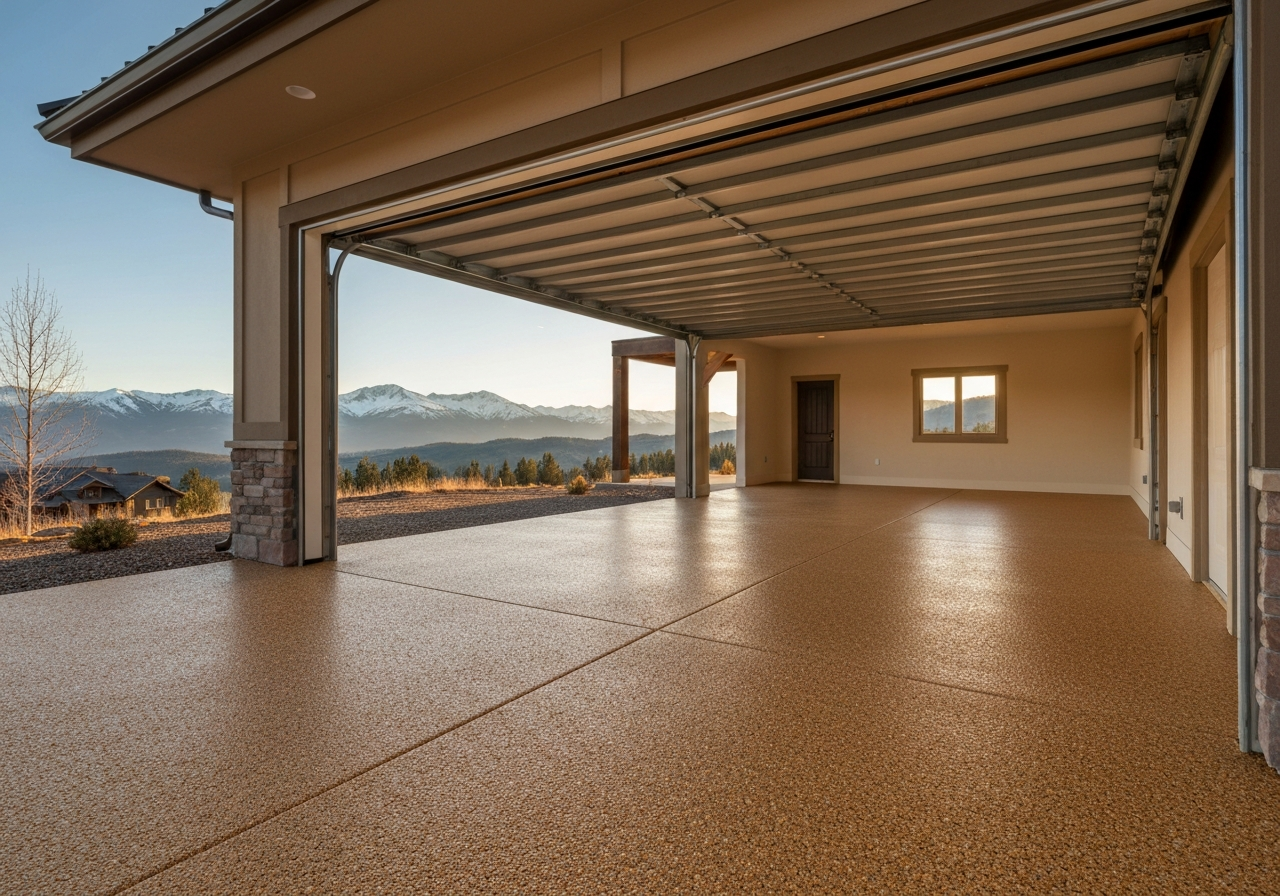
Garage Floor Coatings
Garage floor coatings are the broader residential category for homeowners comparing coatings against paint, mats, tiles, and sealers. If your space is more of a daily parking garage than a working shop, that page may be the better starting point.
Learn more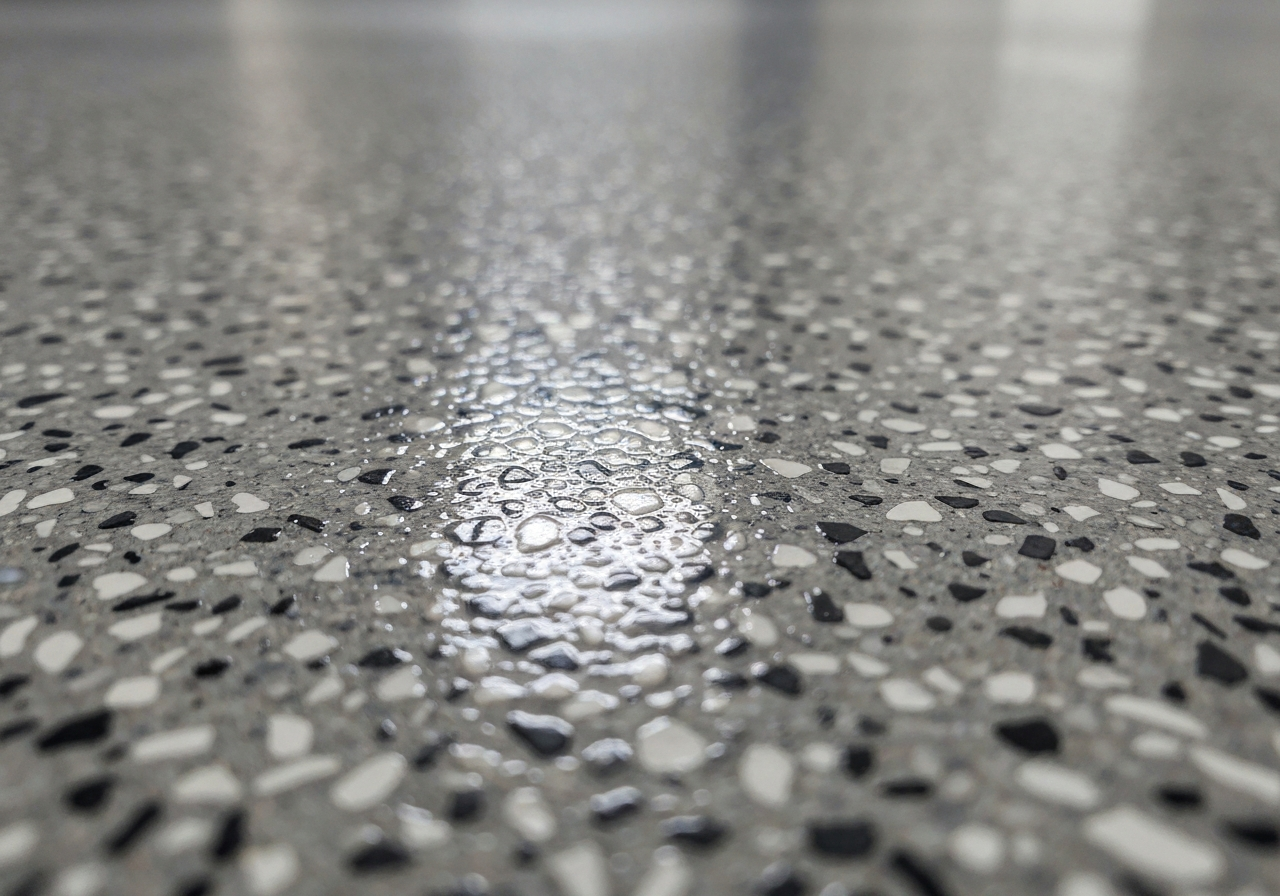
Flake Epoxy
Flake epoxy is often useful for shop floors because it hides dust, dirt, repairs, tire marks, and normal wear better than a solid-color coating. It also creates a more practical surface texture for work areas that see snowmelt and foot traffic.
Learn more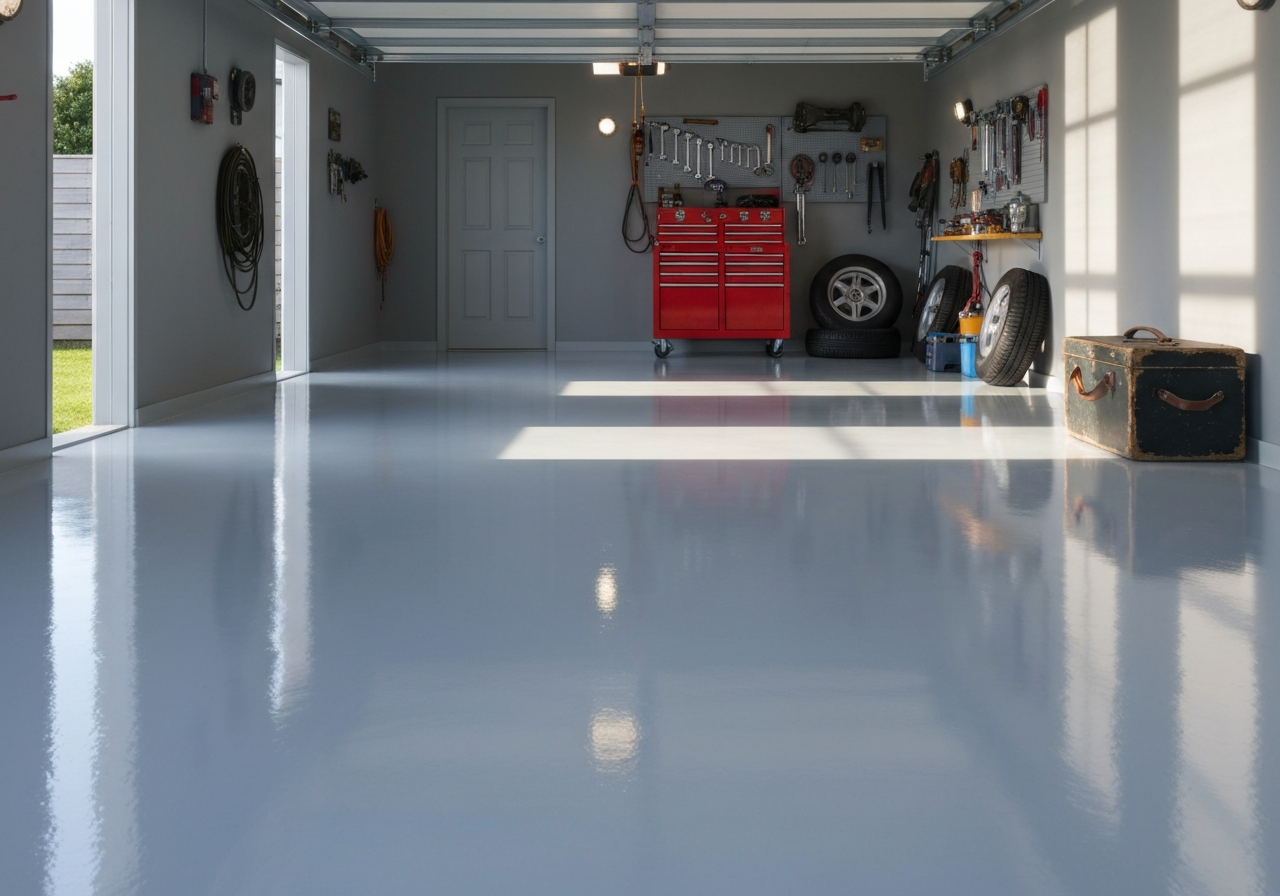
Polyaspartic Floor Coatings
Polyaspartic coatings are often recommended as premium topcoats for shop floors where abrasion resistance, chemical resistance, cure speed, and durability matter. They may also be used in full coating systems when the slab and jobsite conditions support that approach.
Learn moreShop floor coatings are part of our broader concrete coating service line for existing concrete surfaces. We help protect, restore, seal, and upgrade garages, shops, basements, patios, and other usable concrete areas throughout the Flathead Valley. View all coating services →
Professional Shop System vs. Paint and DIY Kits
Shop floor paint may look like an easy weekend project, but it is rarely built for the way working shops are used. Paint is thin, surface-level, and usually more cosmetic than protective. Floor jacks, hot tires, snowmelt, chemicals, gravel, dropped tools, and abrasion can wear through or lift it quickly.
DIY epoxy kits can also fall short in shops. Many kits include limited material, light surface preparation instructions, and sparse decorative chips. They may be acceptable for light storage expectations, but they often do not provide the coating build, surface preparation, repair work, or topcoat durability needed for a real work floor.
The biggest difference is preparation. A professional shop system starts with diamond grinding and slab evaluation. Old paint, oil contamination, dusting concrete, and weak surface material need to be addressed before coating. Skipping those steps can lead to peeling, bubbling, early wear, or coating failure.
The second difference is system design. A working shop may need a heavier base, a more forgiving broadcast finish, and a more durable topcoat than a simple garage. A floor used for mechanical work and equipment storage should not be treated the same as a lightly used storage room.
The third difference is guidance after installation. Shop floors need realistic use instructions. Jack stands, welding sparks, sharp steel, dragging heavy parts, and strong chemicals can damage any coating if the floor is abused. A professional system improves the surface, but it still needs to be used intelligently.
| Feature | Professional Shop System | Paint and DIY Kits |
|---|---|---|
| Preparation | Diamond grinding + slab evaluation | Skip prep or light wash |
| Materials | High-build base + real materials | Thin kit or surface paint |
| Contamination | Contamination/old-paint removal | Coated over |
| Design | System designed for equipment + chemicals | Cosmetic finish |
| Guidance | Realistic use guidance | None |
Where We Serve
Streamline Solutions installs shop floor coatings across Kalispell and the Flathead Valley, including:
We also serve surrounding parts of Flathead County, Northwest Montana, and select commercial projects in Missoula. For the most accurate recommendation, call 406-909-4342 and tell us where the shop is located, the approximate square footage, whether the building is heated, and how the floor is used.
Shop Floor Coating Cost in Kalispell and the Flathead Valley
Professional shop floor coatings in the Kalispell and Flathead Valley area commonly range from about $5 to $12+ per square foot, depending on square footage, slab condition, preparation needs, coating system, repairs, contamination, topcoat selection, and building conditions. Larger shop floors often price lower per square foot than small garages because setup and mobilization are spread across more area, but heavy repairs or contamination can offset that savings.
For larger pole barns, detached shops, and outbuildings, pricing depends heavily on the condition of the slab. A clean, open, newer 1,500-square-foot shop may be more efficient to coat than a smaller but older oil-stained bay with peeling paint, cracks, pitting, and difficult access. The condition of the concrete matters as much as the size.
The biggest cost drivers are diamond grinding requirements, old coating removal, oil contamination, dusting concrete, cracks, pitting, surface repairs, building heat, slab temperature, flake broadcast level, topcoat type, edge detail, equipment removal, and scheduling conditions. Polyaspartic topcoats and higher-build systems may cost more, but they are often worth considering for working floors.
For a realistic shop floor quote, call 406-909-4342. We can start with approximate square footage, photos, building location, heat status, current floor condition, and the type of work done in the shop. If there is old paint, heavy oil staining, or slab damage, an in-person review may be needed before final pricing.
Pros and Cons of Shop Floor Coatings
Pros
A shop floor coating can reduce concrete dust, improve cleaning, protect the existing slab, and make the building more usable. It can help the floor stand up better to mud, snow, road residue, equipment storage, tool traffic, and common shop fluids. For large outbuildings and pole barns, that can make a major difference in day-to-day maintenance. A professional system can also be selected around the actual use of the shop. High-build epoxy bases, full-broadcast flake systems, and polyaspartic topcoats give options for durability, traction, camouflage, and cleanability. The result is a work surface that feels more intentional than bare concrete.
Cons
A coating is not indestructible. Welding sparks, dragged steel, sharp impacts, jack stands, harsh chemicals, and heavy equipment abuse can still damage the surface. Protective pads, welding blankets, drip trays, and proper cleanup are still important in serious work areas. Shop floors can also require more preparation than residential garage floors. Oil contamination, old paint, dusting concrete, cold slabs, and previous repairs can increase cost or limit coating recommendations. Some unheated buildings may also need careful scheduling around cure windows and slab temperature.
Best For vs. Not Recommended For
Best For
Shop floor coatings are best for detached shops, pole barns, outbuildings, hobby-mechanic bays, equipment storage buildings, ATV and sled shops, light fabrication spaces, storage barns, and working concrete areas that need less dust and easier cleanup. They are especially useful when the existing concrete is stable but worn, stained, dusty, or difficult to maintain. They are also a strong fit for Montana property owners with large square footage who want the shop to feel cleaner and more usable. A properly selected system can make the building better for work, storage, maintenance, and seasonal equipment.
Not Recommended For
Shop floor coatings may not be recommended for unstable concrete, severe moisture vapor issues, major slab movement, or surfaces with contamination that cannot be properly addressed. They may also be the wrong choice if the floor will be used for constant welding, grinding, dragging steel, or extremely harsh chemical exposure without protective measures. A coating may also be more than necessary for a low-use storage barn where dust and staining are not major concerns. In that case, a simpler sealing option may be more practical.
Our Recommendation
"For most working shops, pole barns, and outbuildings in the Flathead Valley, the best shop floor coating is a practical system built around preparation, durability, and real use. That often means diamond grinding, appropriate repairs, a high-build epoxy base, a full-broadcast flake finish for camouflage and traction, and a polyaspartic topcoat when chemical resistance, abrasion resistance, and return-to-use timing matter. The right system should fit the slab, the building temperature, and the work being done on the floor."