Garage Floor Coatings in Kalispell & the Flathead Valley
Bonded protective coating systems — not paint, mats, or tiles — built for the way Montana garages actually get used.
The Local Problem: Montana Winters Are Hard on Garage Floors
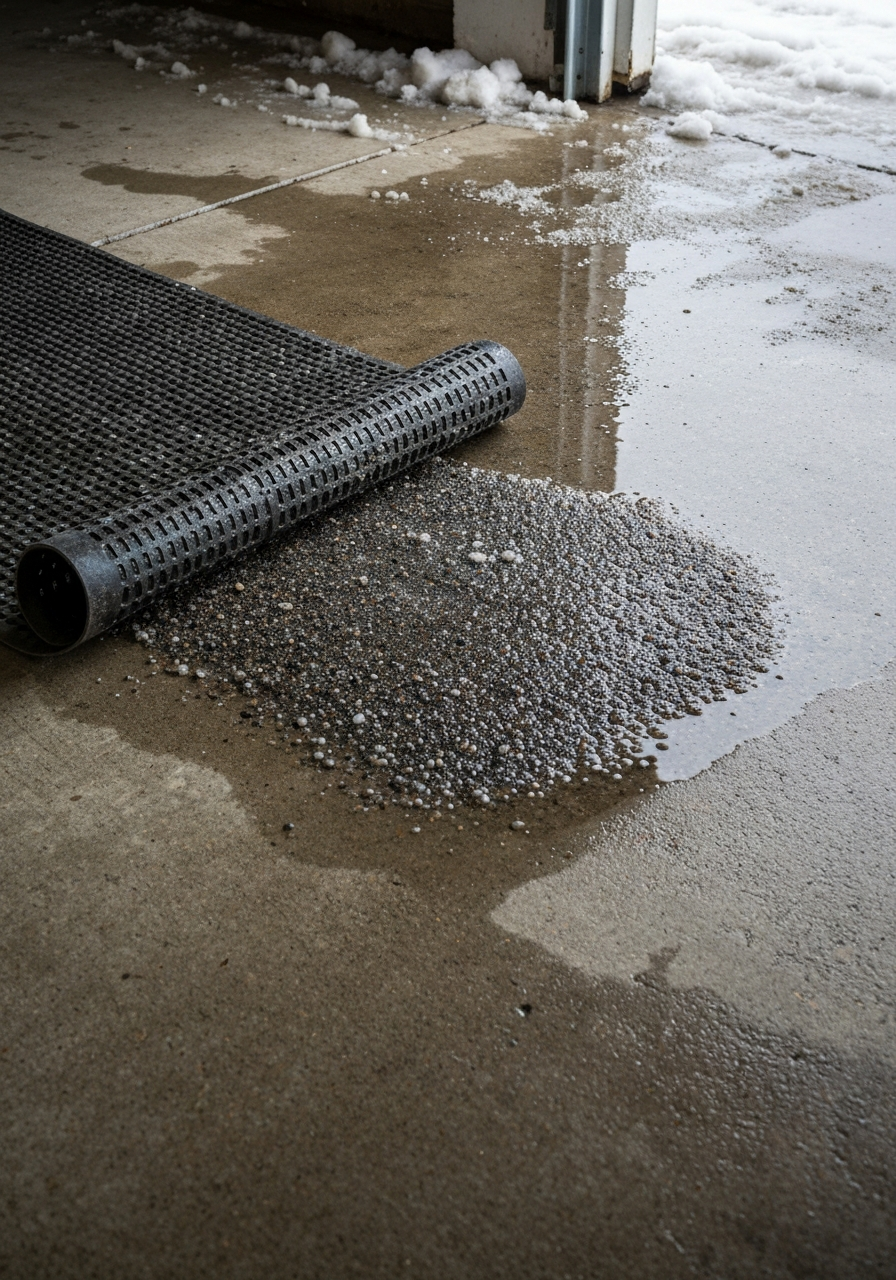
In Northwest Montana, the garage floor takes abuse that many other parts of the home never see. Vehicles bring in snow, slush, gravel, road salt, mag chloride, mud, and freeze-thaw moisture. That mess sits on the concrete, works into pores and surface defects, and leaves behind stains and residue that are difficult to remove from bare concrete.
Paint and mats may look like quick fixes, but they do not solve the underlying problem. Floor paint can peel, wear through, or lift when tires, moisture, and weak surface preparation are involved. Garage mats can trap meltwater, salt, and grit underneath, which may keep the concrete wet longer and hide the damage until the mat is moved. Interlocking tiles can improve the appearance of a garage, but they are not bonded to the slab and can still allow debris, moisture, and residue to collect below.
Kalispell and Flathead Valley garages are working spaces. They handle vehicles, tools, storage racks, snowblowers, bikes, boots, shovels, freezers, muddy gear, and hot tires. A professional bonded coating gives the existing concrete a more durable wearing surface so the garage is easier to clean and better protected from local conditions.
What We Do: Professional Coating Systems for Existing Garage Concrete
A garage floor coating is a bonded protective system installed over existing concrete to make the surface cleaner, tougher, easier to maintain, and better prepared for daily garage use. Unlike loose mats, interlocking tiles, basic roll-on sealers, or thin floor paint, a professional garage floor coating is built as a surface protection system. It starts with mechanical concrete preparation, then uses the right base coat, optional broadcast layer, and protective topcoat to create a floor that fits the way the garage is actually used.
At Streamline Solutions, we install garage floor coatings in Kalispell and throughout the Flathead Valley for homeowners, shop owners, and property owners who want a better surface over the concrete they already have. The best garage floor coating is not always one product. It depends on the slab condition, vehicle use, winter exposure, desired texture, color expectations, cure time, and whether the project calls for an epoxy-based system, flake-broadcast system, polyaspartic topcoat, or full polyaspartic coating path.
Streamline Solutions installs garage floor coating systems over existing concrete surfaces. We are Concrete Surface Protection Specialists, which means our focus is coating, sealing, protecting, restoring, and upgrading concrete that is already in place. We evaluate each slab and recommend a system based on real use, not a one-size-fits-all product.
Epoxy-Based Garage Floor Coatings
Epoxy-based systems are often used when a garage needs strong build, good adhesion, and a clean protective layer over prepared concrete. Epoxy may be used as a base coat, primer, or main coating layer depending on the system. It can be a practical foundation for garage floors when the slab is properly ground, repaired, and matched with the right topcoat.
Flake-Broadcast Garage Floor Coatings
Flake-broadcast systems use a pigmented base coat, decorative vinyl flakes, and a clear protective topcoat. They are popular because they hide minor concrete imperfections, provide visual texture, and create a clean finished look for garages and shops. Flake is often the most practical visual finish for daily-use Montana garages, but it is only one option within the broader garage floor coating category.
Polyaspartic Topcoat and Full Polyaspartic Systems
Polyaspartic technology is the premium path for many garage floor coatings. It is often used as a clear topcoat over flake systems because it can offer strong durability, good clarity, UV stability, and faster return-to-service when installed under the right conditions. In some garages, a full polyaspartic coating system may be the better recommendation, especially when cure speed, topcoat performance, or seasonal installation flexibility matters.
A good garage floor coating recommendation should explain why a certain system fits your garage. It should not simply label every floor as epoxy, sell every customer the same flake blend, or rush every project into a one-day coating without considering the slab.
1. A Cleaner Garage That Feels Finished
A coated garage floor changes the way the whole space feels. Bare concrete can make even an organized garage look unfinished, dusty, and stained. A professional coating creates a cleaner visual foundation for vehicles, shelves, workbenches, tools, bikes, and storage. For attached garages and mountain homes, that improvement matters. The garage becomes a more usable part of the property instead of a dusty transition zone between the driveway and the house.
2. Easier Cleanup After Snow, Gravel, and Road Residue
Flathead Valley winters bring snowmelt, grit, road salt, and mag chloride into the garage. On bare concrete, those materials soak in, dry unevenly, and leave stubborn residue. A coated surface is easier to sweep, blow out, mop, or rinse because the working surface is less porous. Routine cleaning still matters. No coating benefits from months of chemical residue sitting on top of it. But compared with raw concrete, a properly installed garage floor coating makes regular maintenance much more manageable.
3. Better Protection for Existing Concrete
Garage floor coatings help protect the existing slab from direct wear. Instead of tires, snowmelt, minor spills, and daily traffic contacting bare concrete, they contact the coating system. That helps reduce dusting, staining, and surface wear when the coating is properly installed. The key is that the coating must be bonded to a prepared surface. A mat lies on top of the problem. Paint may sit too thinly on the surface. A professional coating is built to become the garage's working surface.
4. More Practical Traction and Texture Options
Garage floors need a balance between cleanability and traction. A very smooth surface can be easier to mop but may become slick when wet. A heavily textured surface can improve grip but may be harder to clean. Professional coating systems can be adjusted. Flake broadcast, topcoat selection, and optional traction additives can all influence the final feel of the surface. During the estimate, the right conversation is not just "what color do you want?" but "how will this garage be used?"
5. A Better Long-Term Option Than Temporary Covers
Mats, tiles, and paint can make a garage look better quickly, but they often do not solve the durability problem. Mats can shift, trap water, curl, or hide moisture. Tiles can collect grit and debris in seams. Paint can peel or wear through in tire paths. A bonded coating is intended to become part of the usable floor system. When the concrete is stable and properly prepared, a professional coating offers a more complete solution for appearance, cleaning, and protection.
6. System Choices That Match Real Budgets and Expectations
Not every garage needs the same coating. Some need a practical epoxy-based system. Some need a full-broadcast flake floor with a polyaspartic topcoat. Some benefit from a full polyaspartic system because cure speed, UV stability, or performance expectations are higher. A quality installer should explain the tradeoffs. The best garage floor coating for one garage may not be the best choice for another. The right system is the one that fits the slab, climate, use, appearance goals, and budget.
Coatings vs. Paint vs. Tiles vs. Mats: Why a Bonded Coating Wins in This Climate
Garage floor paint is usually the lowest-cost cosmetic option. It can make the floor look better temporarily, but it is thin and heavily dependent on surface preparation. In a Montana garage with hot tires, wet vehicles, salt residue, and winter grit, paint often struggles because it does not provide the same build, adhesion, or protective topcoat as a professional coating system.
Roll-on sealers can help reduce absorption and dusting in certain situations, but they are not the same as a garage floor coating. Many sealers are thinner and less visually transformative. They may be useful for some concrete surfaces, but they usually do not create the same finished, durable, easy-clean garage floor that homeowners expect when searching for garage floor coating near me.
Interlocking tiles improve appearance and can be installed without permanently bonding to the concrete. They may be useful for some homeowners, but seams allow dirt and moisture to move below the tile field. In a snowy climate, that can mean trapped water, hidden salt residue, and cleaning challenges.
Garage mats are simple and removable, but they can trap meltwater and debris underneath. A mat may protect one area from drips, but it does not improve the entire slab. If moisture sits under the mat during freeze-thaw seasons, the concrete can remain wet longer than expected.
A bonded garage floor coating wins because it addresses the surface directly. With proper diamond grinding, repair work, coating selection, broadcast options, and a quality topcoat, the coating becomes the protective wearing surface. For Kalispell and Flathead Valley garages, that is the difference between covering concrete and upgrading it.
Our Garage Floor Coating Process
Garage review and project goals
We begin by learning how the garage is used. Daily parking, shop work, storage, snowblower use, tool traffic, pets, foot traffic, and winter exposure all influence the right system. We also talk through appearance goals, texture preferences, cure expectations, and budget.
Existing concrete evaluation
We inspect the concrete for cracks, pitting, spalling, old coatings, oil contamination, moisture concerns, soft surface areas, edge details, drains, stem walls, and previous repairs. The slab condition determines what kind of preparation is needed and whether any limitations should be discussed before coating.
System recommendation
After looking at the floor, we recommend a coating path. That may be an epoxy-based system, a flake-broadcast system with a polyaspartic topcoat, or a full polyaspartic system when performance and timing call for it. The recommendation is based on the garage, not a preset package.
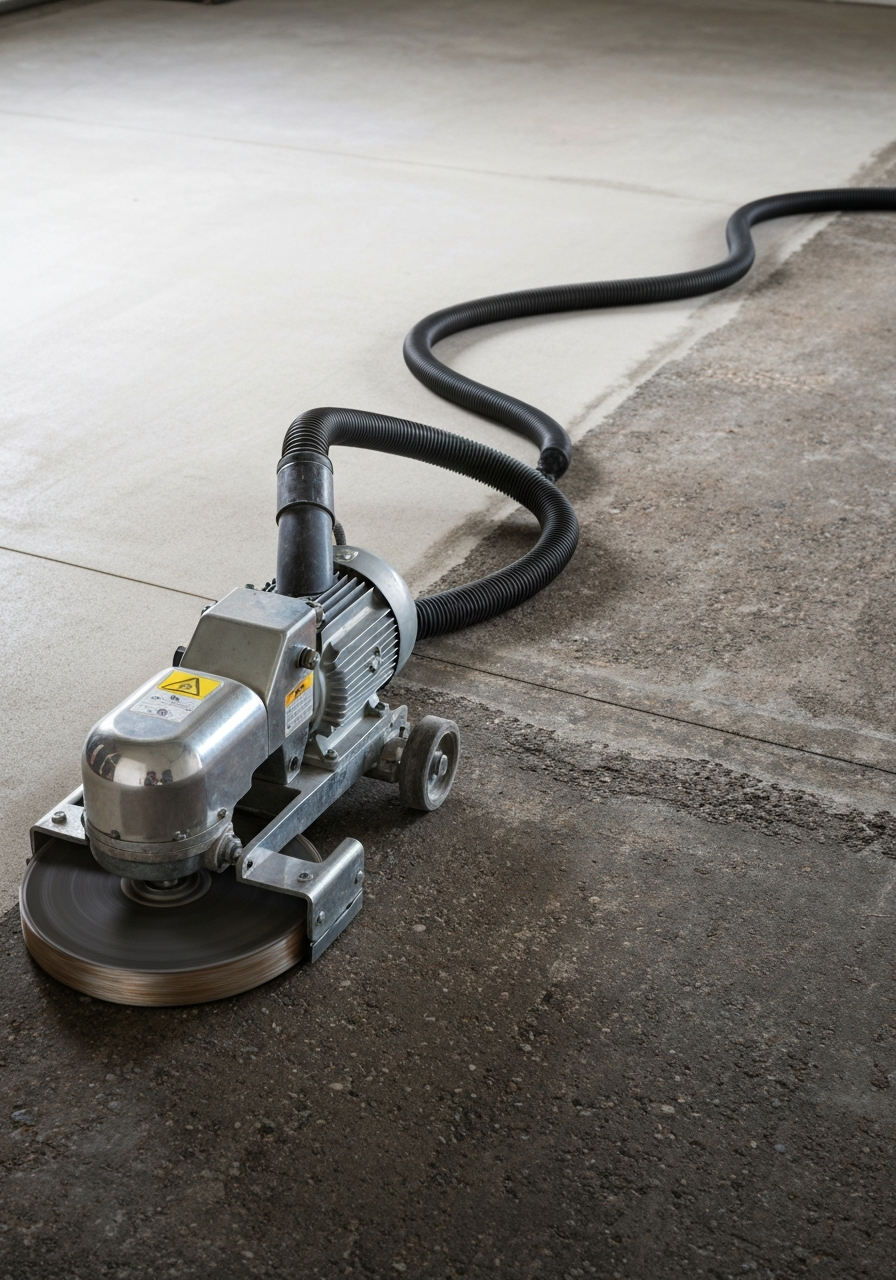
Diamond grinding for mechanical preparation
We prepare the concrete with diamond grinding, not acid etching. Grinding creates a mechanical profile, removes weak surface material, and helps the coating bond more reliably. This step is one of the biggest differences between a professional coating and a rushed cosmetic application.
Crack and surface repair
Appropriate cracks, divots, pitting, and surface defects are repaired before coating. Repairs help create a cleaner and more stable surface, although moving cracks or severe slab issues may still require special discussion. We explain what can be improved and what limitations remain.
Base coat or primer application
The selected coating system begins with the proper base coat or primer. This layer supports adhesion, color, build, and system performance. Product choice may vary depending on slab condition, moisture concerns, temperature, and finish selection.
Broadcast or finish layer
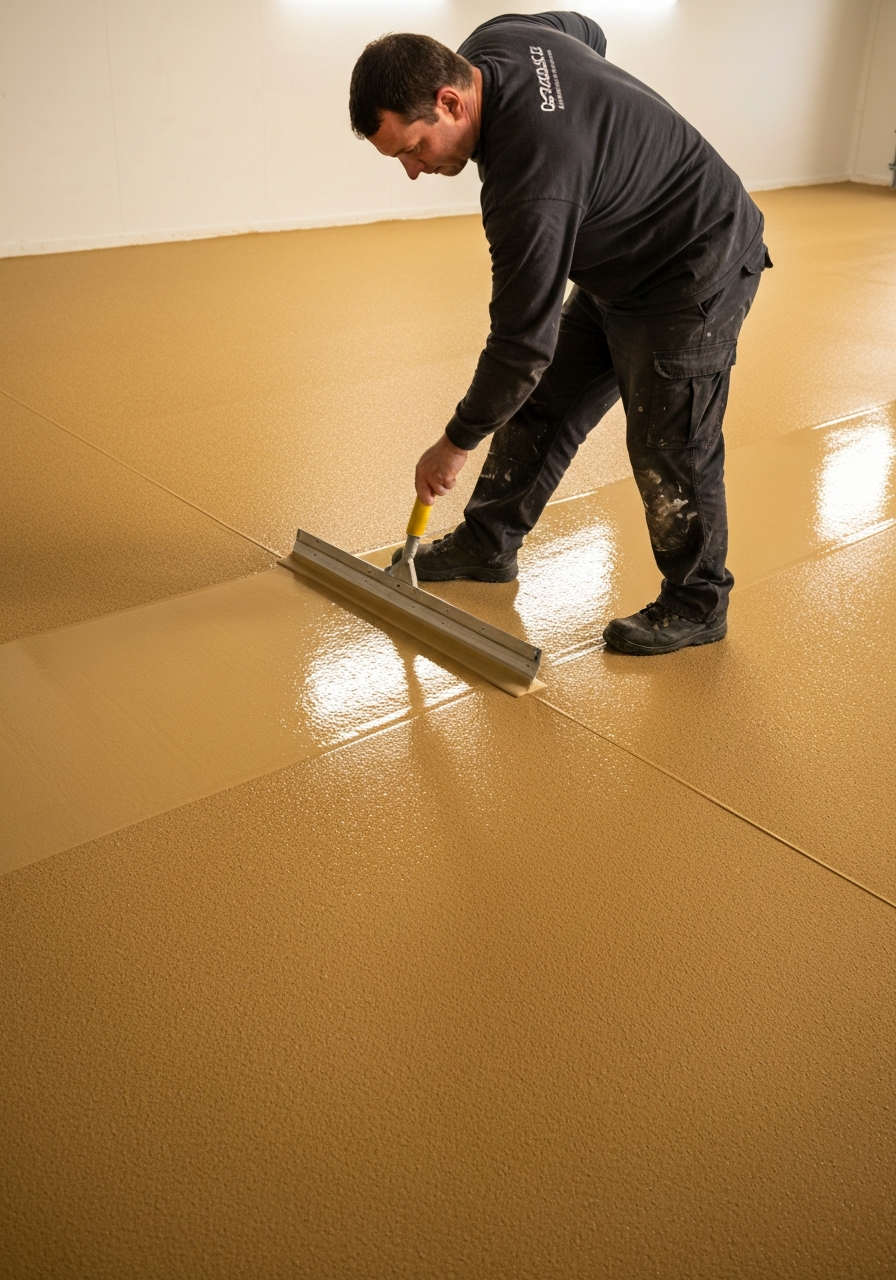
If the system includes flake, the flakes are broadcast into the wet base coat to create a decorative and practical surface texture. If the system is a solid or specialty finish, the finish layer is installed according to the project requirements. This is where the final appearance of the garage begins to take shape.
Scrape, clean, and prepare for topcoat
For flake systems, excess material is removed and the surface is scraped to control texture. The floor is then cleaned and prepared for the topcoat. This step helps balance traction, smoothness, and cleanability.
Protective topcoat application
The topcoat is the working layer that sees tires, shoes, snowmelt, and cleaning. Polyaspartic topcoats are often recommended for premium garage floor coatings because they provide strong protection, clarity, and practical performance when installed correctly. The topcoat selection matters because it affects durability, appearance, and return-to-use timing.
Cure instructions and maintenance guidance
After installation, we explain when the floor can handle foot traffic, when vehicles can return, and how to clean the coating. Cure timing depends on the products used and the jobsite conditions. We give clear guidance so the floor is treated properly during its early cure period.
Related Concrete Coating Services
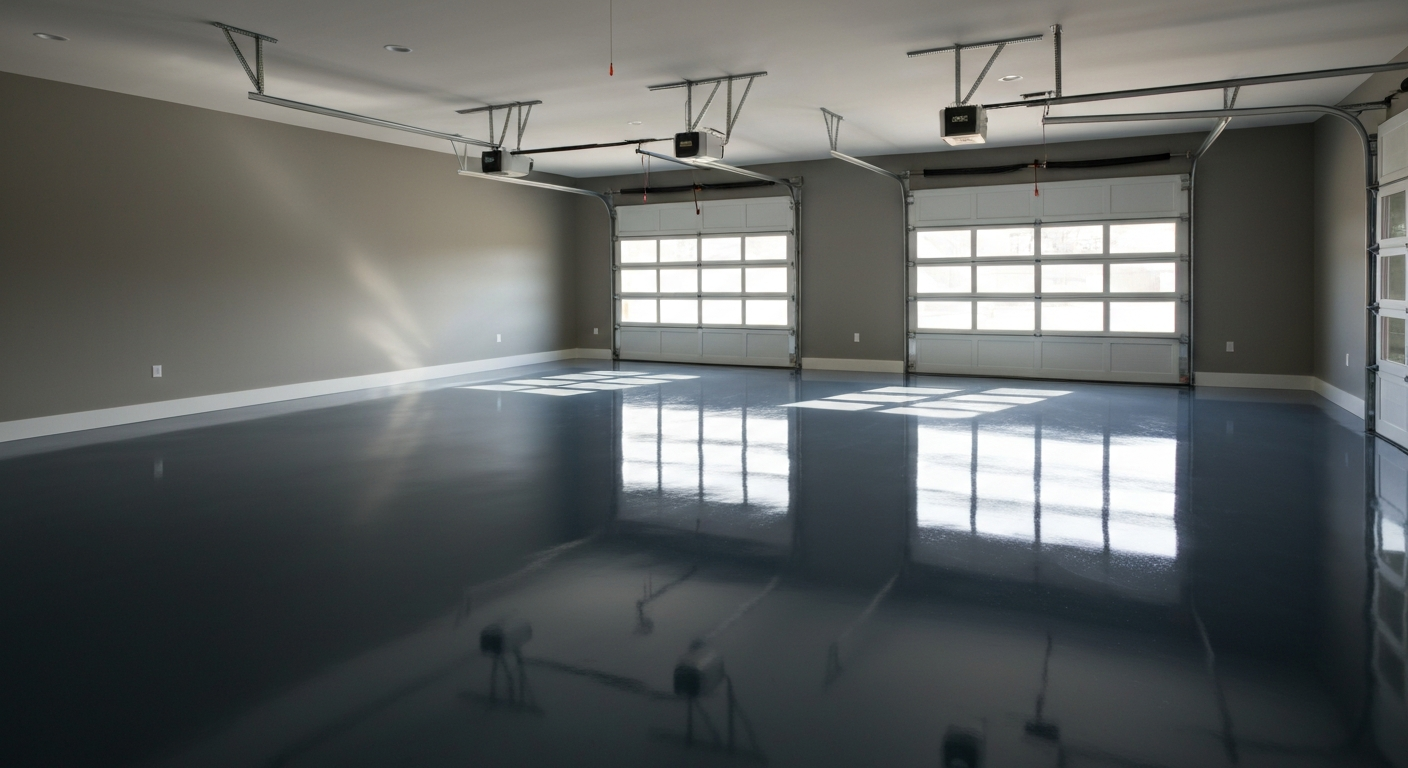
Epoxy Garage Floors
Epoxy garage floors are one of the core coating categories homeowners compare when they want a cleaner, more durable garage surface. That page explains solid-color epoxy, flake-broadcast systems, metallic options, and when polyaspartic upgrades make sense from a system-selection standpoint.
Learn more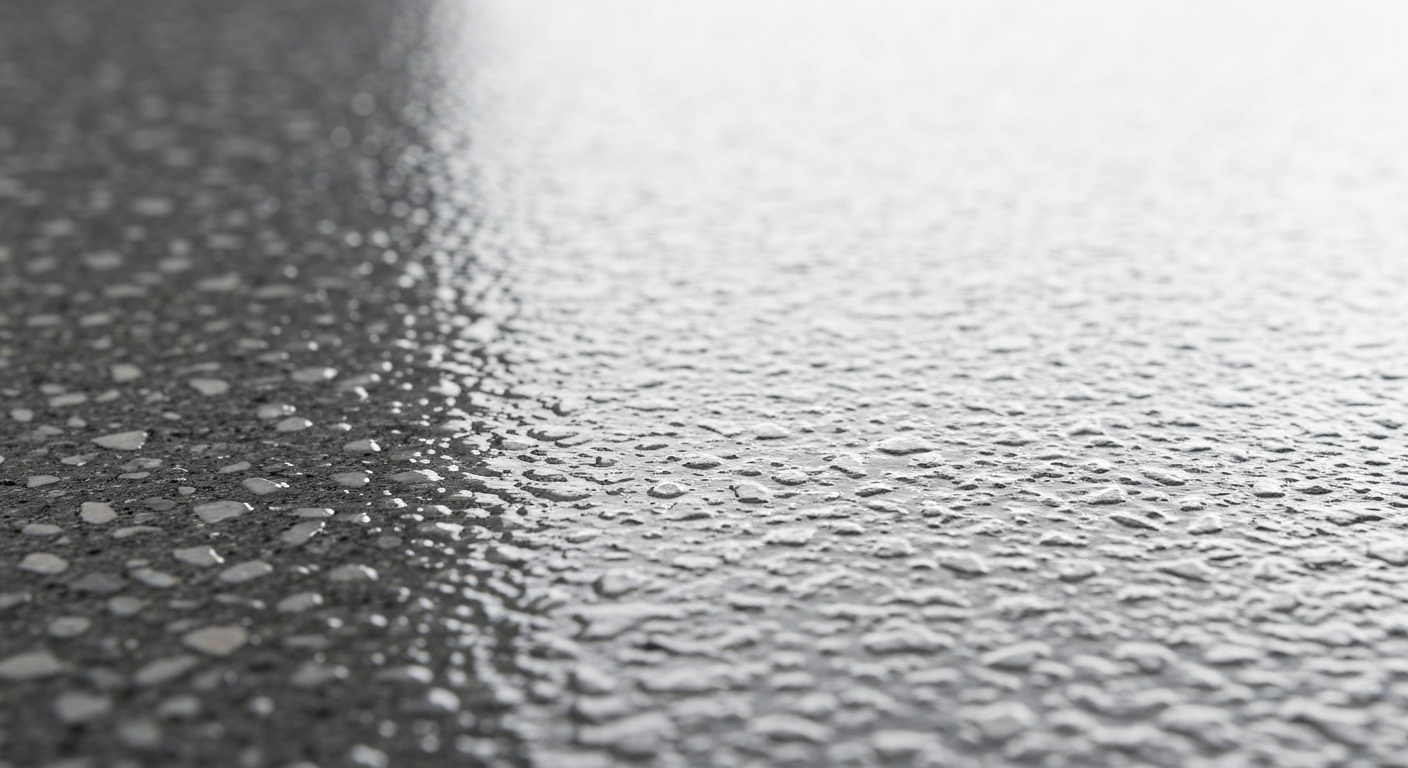
Flake Epoxy
Flake epoxy is a popular garage floor coating finish because it hides minor imperfections, adds visual texture, and creates a clean full-chip look. It is especially practical for daily-use garages that see snow, gravel, road salt, and tire traffic.
Learn more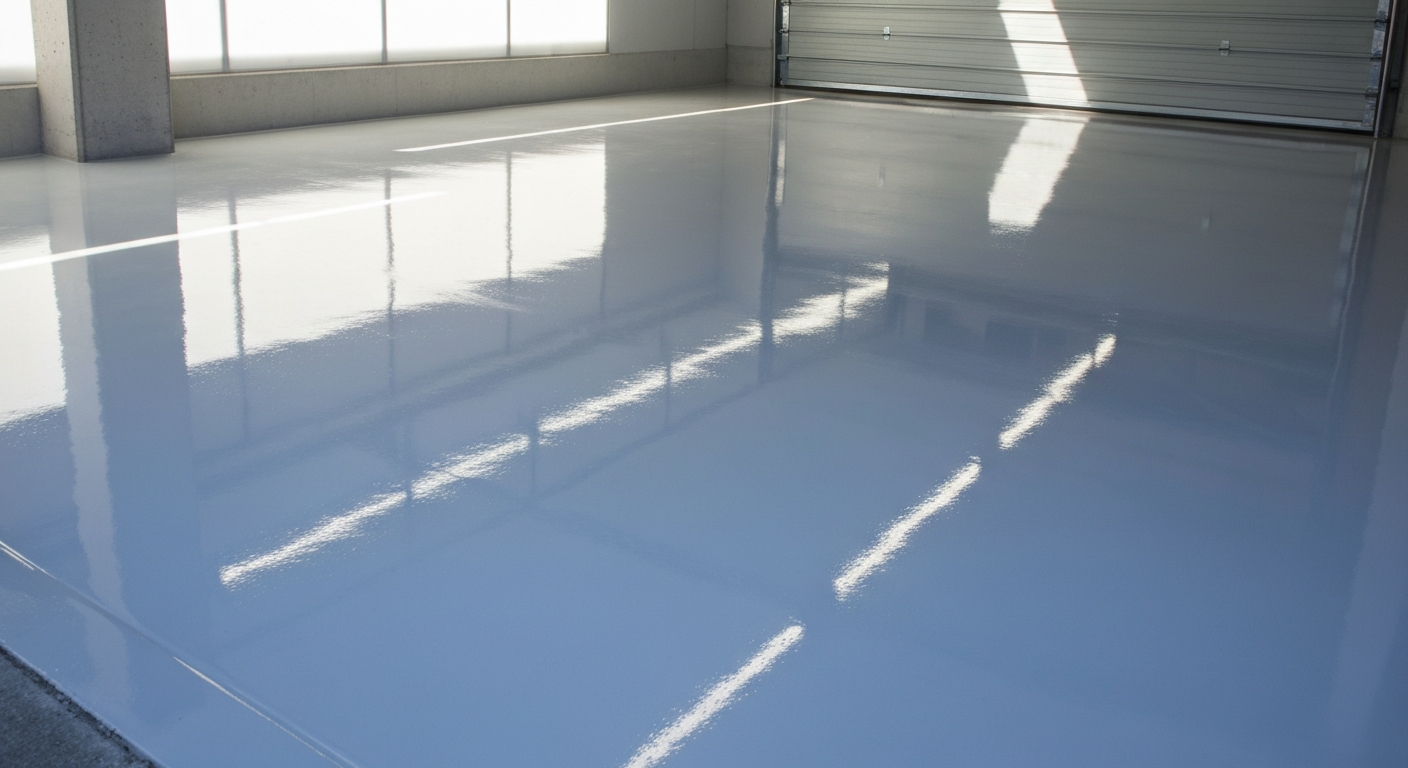
Polyaspartic Floor Coatings
Polyaspartic floor coatings are the premium coating path for many garages and shops. They may be used as durable clear topcoats over flake systems or as full coating systems when faster return-to-service, UV stability, and performance characteristics are priorities.
Learn moreGarage floor coatings are part of our broader concrete coating services for existing concrete surfaces. We help protect, seal, restore, and upgrade garages, shops, basements, patios, and other concrete areas throughout the Flathead Valley. Start with the main category page at Concrete Coating.
Professional Coating vs. Cut-Rate Installer Comparison
A professional garage floor coating is built around preparation, system selection, coating thickness, repairs, broadcast quality, topcoat performance, and realistic cure guidance. A cut-rate installation often removes one or more of those steps to lower the price or speed up the project.
Preparation is usually where the biggest difference starts. A quality coating should be installed over mechanically prepared concrete. Diamond grinding helps create a proper surface profile and removes weak material. A shortcut process may rely on light sanding, washing, or acid etching, which may not create the reliable bond needed for a working garage.
Coating thickness and product selection also matter. A thin coating may look good on day one but wear faster in tire paths, turning areas, and high-traffic zones. A better system uses the right base coat, adequate build, a practical broadcast when needed, and a protective topcoat suited to the garage.
Broadcast quality is another sign of a better installation. A sparse sprinkle is not the same as a full-broadcast flake system. If a flake finish is recommended, the amount of flake and the topcoat over it both affect appearance, texture, and durability.
Warranty language should also be read carefully. A good warranty is useful, but it does not replace preparation and honest evaluation. Be cautious of promises that sound absolute, especially if the installer has not inspected the slab, asked about moisture, or discussed existing coatings and contamination.
The installer you choose should be able to explain the system in plain language. They should tell you what they are grinding with, what they are applying, why that system fits your garage, how thick or built-up the system is intended to be, what the topcoat does, and how the floor should be maintained.
| Feature | Professional Coating | Cut-Rate Installer |
|---|---|---|
| Preparation | Diamond grinding | Light sand / acid etch |
| Material Build | Real coating build | Thin application |
| Flake Finish | Full broadcast | Sparse sprinkle |
| Slab Assessment | Repairs + moisture evaluation | Skipped |
| Topcoat | Quality topcoat | None or very thin |
| Warranty | Honest warranty + plain-language explanation | Absolute promises |
Where We Serve
Streamline Solutions installs garage floor coatings across Kalispell and the Flathead Valley. We also serve surrounding parts of Flathead County, Northwest Montana, and select commercial projects in Missoula. For the most accurate project recommendation, call 406-909-4342 and tell us your location, approximate garage size, current floor condition, and what you want the coating to accomplish.
Garage Floor Coating Cost in Kalispell and the Flathead Valley
Professional garage floor coatings in the Kalispell and Flathead Valley area commonly range from about $6 to $13+ per square foot, depending on the system and slab condition. A simpler epoxy-based coating over a clean, newer slab may fall toward the lower end. A full-broadcast flake floor with a premium polyaspartic topcoat, coating removal, heavier repairs, or more complex preparation may cost more.
For a typical two-car garage, many projects fall around $3,000 to $7,000+. The final number depends on square footage, cracks, pitting, oil stains, previous coatings, moisture concerns, stem walls, stairs, drains, edge detail, access, finish selection, flake broadcast level, and topcoat choice. Smaller garages can carry a higher per-square-foot price because mobilization, setup, grinding, masking, repairs, and cure management still take time.
Polyaspartic systems may cost more than basic coating options, but they can be the better choice when durability, UV stability, cure speed, and topcoat performance are priorities. The important comparison is not just price per square foot. It is what preparation, materials, build, broadcast, topcoat, and installer quality are included in that price.
For a realistic quote, call 406-909-4342. We can start with your approximate square footage, photos, property location, and description of the current concrete. If the floor has old coating, heavy staining, cracks, or surface damage, a site visit may be needed before final pricing.
Pros and Cons of Garage Floor Coatings
Pros
Garage floor coatings can dramatically improve the appearance, cleanability, and surface protection of existing concrete. They help reduce concrete dust, make winter residue easier to clean, and create a more finished surface for parking, storage, and shop use. With the right system, they can outperform paint, mats, tiles, and thin sealers in a working Montana garage. Professional coatings also offer useful customization. You can choose a practical flake finish, a clean solid look, or a premium polyaspartic coating path depending on the garage. The system can be selected around traction, appearance, durability, cure time, and maintenance needs.
Cons
Garage floor coatings require proper preparation and the right slab conditions. If concrete is heavily contaminated, severely damaged, actively moving, or affected by moisture vapor problems, coating may require extra work or may not be recommended until those issues are addressed. A coating is a surface protection system, not a structural repair. They also cost more than paint, mats, or basic roll-on products. That higher cost reflects grinding, repairs, professional materials, coating build, broadcast options, topcoat selection, and installation skill. Choosing the cheapest option can lead to early wear or failure if important steps are skipped.
Best For vs. Not Recommended For
Best For
Garage floor coatings are best for existing concrete garages that need better appearance, easier maintenance, and stronger surface protection. They are a strong fit for attached garages, detached garages, heated shops, storage garages, hobby spaces, mudroom-adjacent concrete, and residential garages that see daily vehicle use. They are especially useful in Kalispell and the Flathead Valley because they help manage the realities of Montana garage life. Snowmelt, road salt, mag chloride, gravel, tire traffic, and concrete dust are easier to deal with when the slab has a properly installed protective coating.
Not Recommended For
Garage floor coatings may not be recommended for unstable concrete, severe moisture vapor issues, major slab movement, or surfaces that need more than surface-level repair. They may also be the wrong choice for fully exposed outdoor concrete where UV exposure, drainage, standing water, and freeze-thaw conditions require a different surface protection plan. A coating may also be more than necessary for a low-use area where appearance, cleaning, and protection are not major concerns. In those cases, a simpler sealer or cleaning approach may make more sense.
Our Recommendation
"For most working garages in Kalispell and the Flathead Valley, the best garage floor coating is a professionally prepared, bonded system with diamond grinding, appropriate repairs, a practical finish, and a durable topcoat. Polyaspartic technology is often the premium path, especially as a clear topcoat over a flake system or as a full system when performance and return-to-service matter. The right choice should be based on the slab, the winter exposure, and how the garage is actually used."
— Kalispell Concrete Surface Protection Specialists