
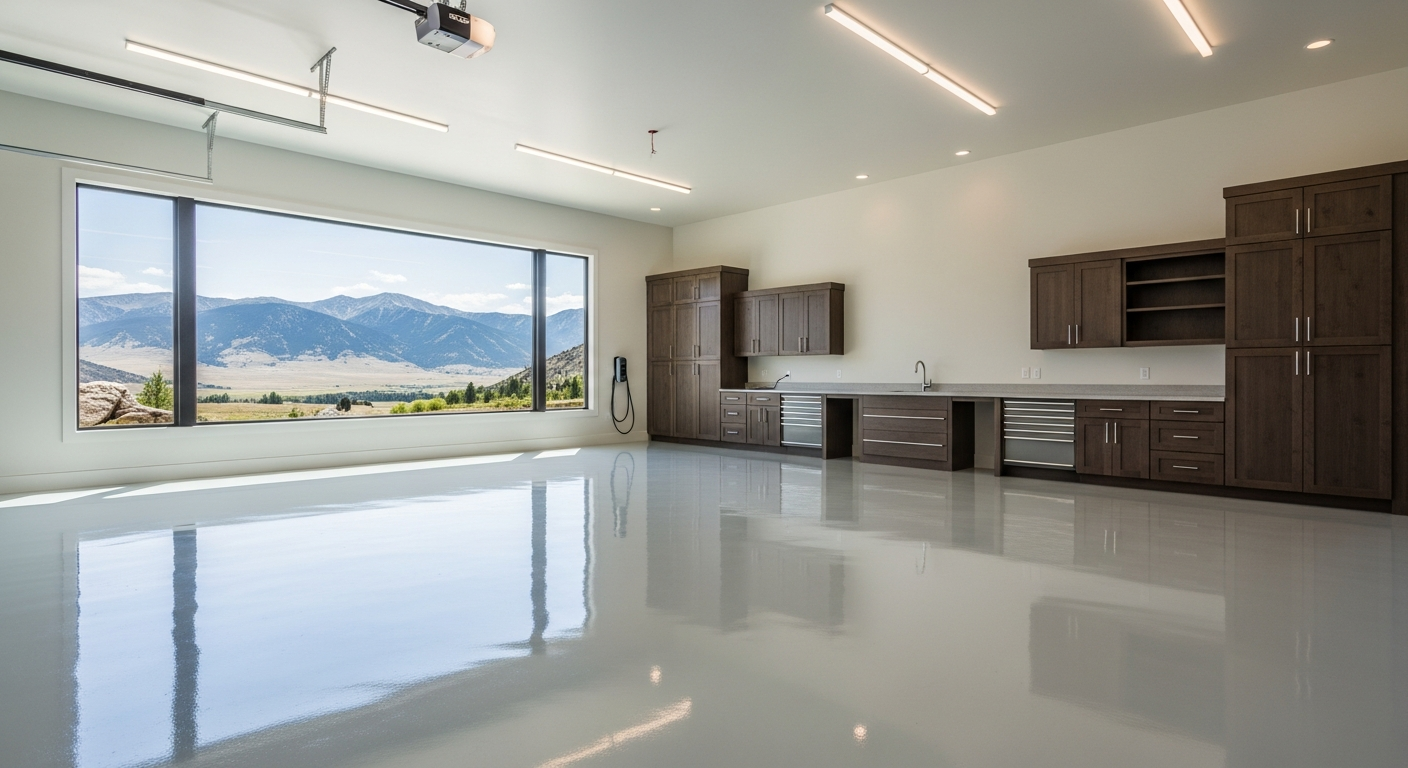
Polyaspartic Floor Coating in Kalispell & the Flathead Valley
Premium fast-curing, UV-stable polyaspartic coatings for existing garage, shop, and patio concrete — built for Montana winters, road salt, and daily use.
Why Polyaspartic Works So Well for Montana Concrete
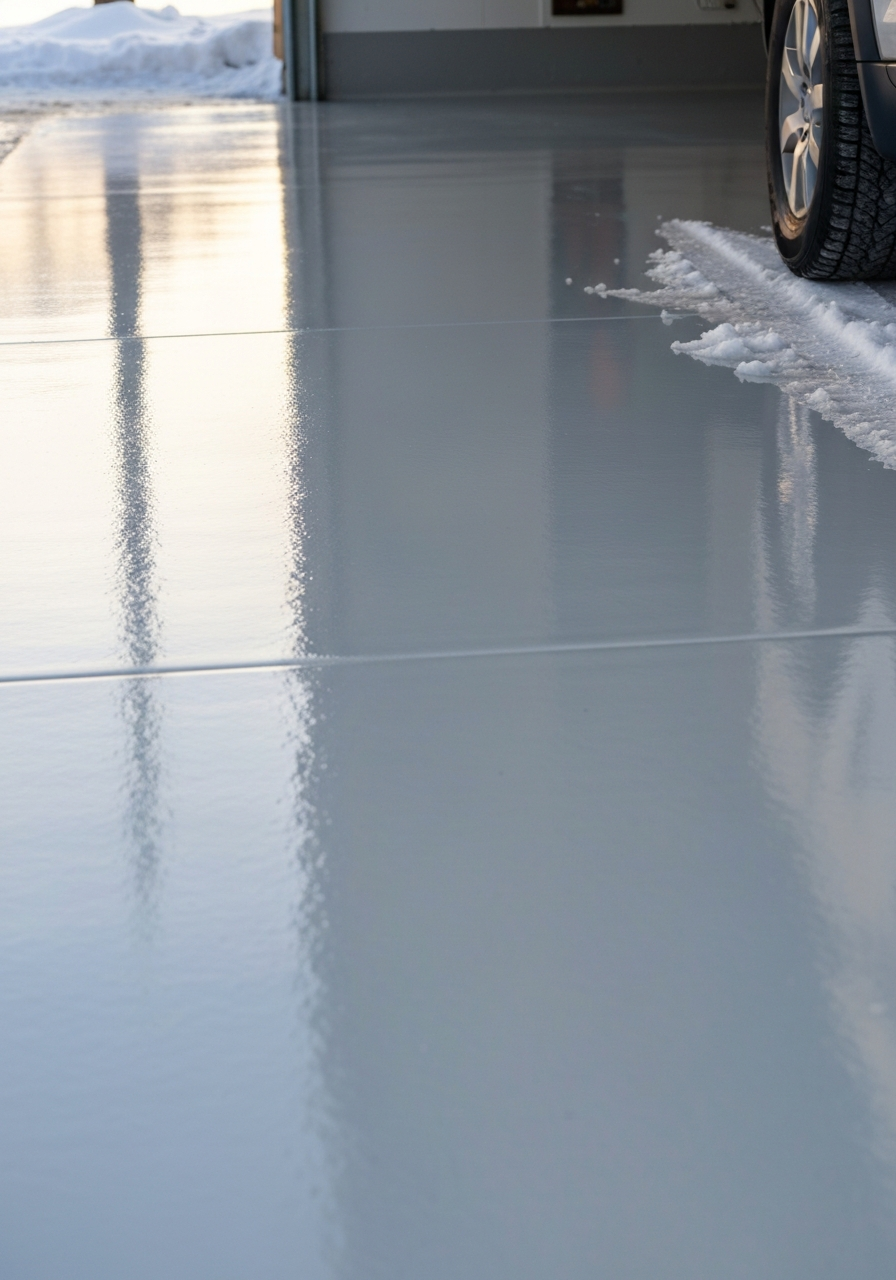
A polyaspartic floor coating is one of the most practical ways to protect existing concrete in Montana garages, shops, patios, and work areas. It cures quickly, handles cold-weather installation better than many traditional coating systems, resists UV yellowing, and creates a tough surface that stands up to vehicles, tools, foot traffic, snowmelt, and road salt.
Streamline Solutions specializes in coating, sealing, protecting, and restoring existing concrete and paver surfaces across Flathead Valley and Northwest Montana. For homeowners and property owners in Whitefish, Somers, Bigfork, Columbia Falls, Marion, Kalispell, Polson, Ronan, Eureka, and nearby communities, polyaspartic is often the premium choice when the floor needs more than a basic sealer or painted finish.
Montana floors see a hard mix of conditions. Garages collect snow, ice, gravel, deicer, road salt, hot tires, moisture, and seasonal freeze-thaw stress. Shops deal with equipment, foot traffic, fluids, dust, and abrasion. Patios and covered outdoor concrete can face UV exposure, temperature swings, and moisture. A professionally prepared polyaspartic garage floor gives the concrete a cleaner appearance and a more durable protective layer that is easier to maintain than bare concrete.
Polyaspartic is not just a cosmetic upgrade. It is a protective coating system built for real use. When the concrete is properly profiled, repaired where needed, coated with the correct materials, and finished with the right texture, the result is a floor that looks sharp and performs well in a demanding Northwest Montana environment. For a broader look at available coating options, visit the main concrete coating hub (/concrete-coating/).
Polyaspartic coatings are popular because they solve several problems that matter in places like Flathead County and the surrounding mountain communities. They cure fast, remain flexible compared with many older coating systems, resist UV damage, and create a dense, protective surface over existing concrete.
That combination matters in Montana. Garage and shop floors here often go through repeated wet-dry and freeze-thaw cycles. A vehicle pulls in covered with snow and road salt. The snow melts, spreads across the slab, and carries minerals, grit, and moisture into the surface. Bare concrete can dust, stain, absorb liquids, and become harder to clean over time. A quality polyaspartic system helps reduce that absorption and gives the floor a finished surface designed for easier cleanup.
Polyaspartic also has a major speed advantage. Many projects can be completed quickly compared with slower-curing systems. That does not mean the process should be rushed. Surface preparation is still the foundation of the job. But once the concrete is ready, polyaspartic materials can cure fast enough to reduce downtime for garages, shops, and business spaces.
Another advantage is UV stability. Some coatings can amber, yellow, or fade when exposed to sunlight. Polyaspartic topcoats are known for stronger UV resistance, which makes them a better fit for garage entries, patios, shop doors, and areas that receive natural light.
For Montana homes, mountain cabins, shops, and garages, the goal is not just a shiny floor. The goal is a floor that is durable, cleanable, and practical through snow season, spring mud, summer heat, and daily use.
Polyaspartic Floor Coating vs. Epoxy: What Is the Difference?
Epoxy and polyaspartic coatings are both used to protect concrete, but they behave differently. The right choice depends on the surface, the use of the space, the desired look, the timeline, and the exposure conditions.
Epoxy has been used for years in garages, basements, shops, and commercial settings. It can provide a thick build, strong adhesion when properly installed, and a clean finished look. In many cases, an epoxy system still makes sense, especially when a project needs a particular build profile or when budget is a leading concern.
Polyaspartic is generally considered the premium option because it cures faster, offers stronger UV stability, and can provide excellent abrasion resistance in a thinner, high-performance system. It is also useful when the customer wants a faster return to service or when sunlight exposure is a concern.
The main difference is not simply "one is good and one is bad." The better question is which system fits the slab, the environment, and the way the space will be used.
A polyaspartic garage floor is often the stronger fit when the homeowner wants:
- Fast project turnaround
- A UV-stable finish
- Strong resistance to daily vehicle traffic
- A clean flake floor appearance
- Better performance around garage doors and sunlight exposure
- A durable surface for snow, ice, and road salt cleanup
An epoxy garage floor may still be a practical option when the project calls for a different coating build or budget range. For more on epoxy options, visit epoxy garage floors.
Where Polyaspartic Floor Coating Fits Best
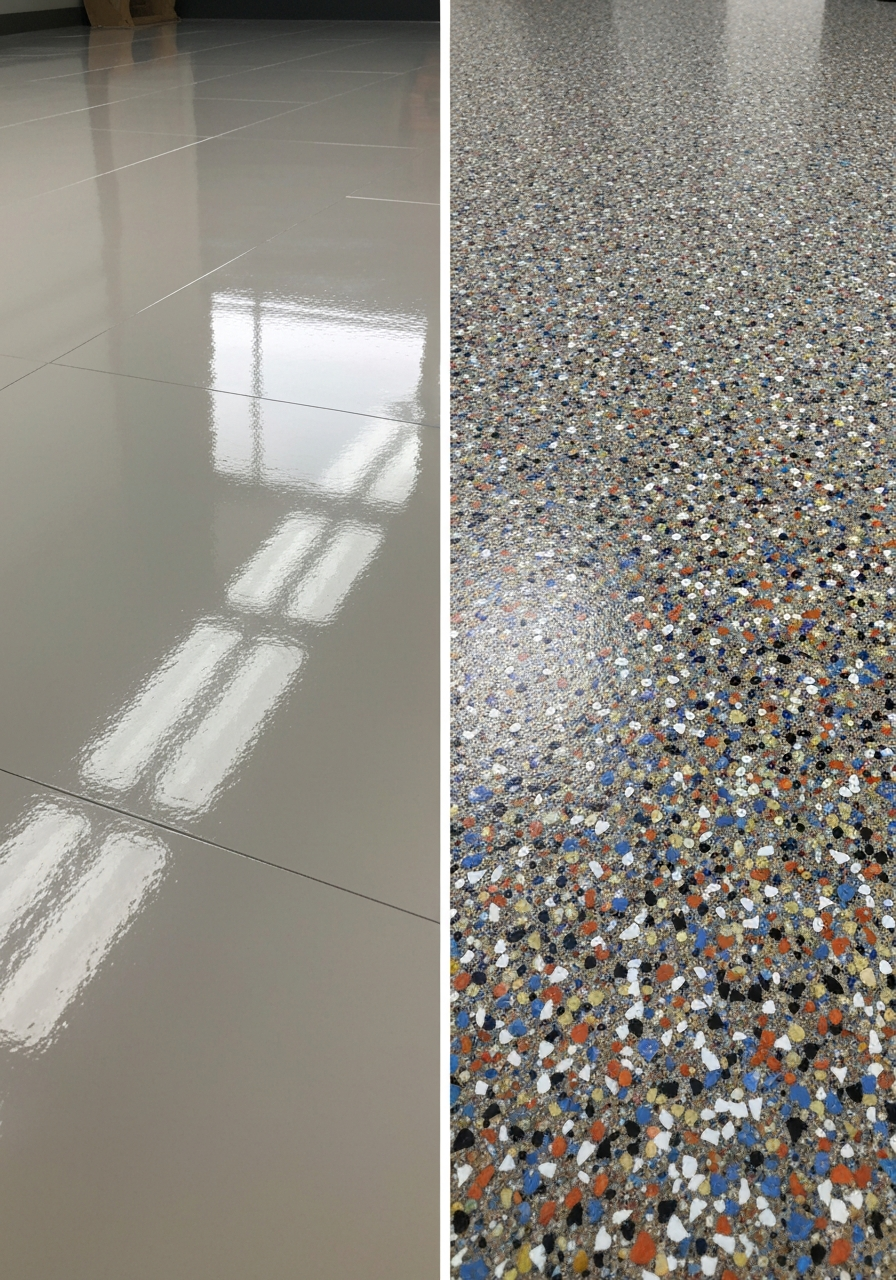
Polyaspartic is a strong fit for many existing concrete surfaces, especially where durability, appearance, and fast cure time all matter. Streamline Solutions commonly evaluates these surfaces based on condition, moisture exposure, use, and desired finish.
Garage Floors
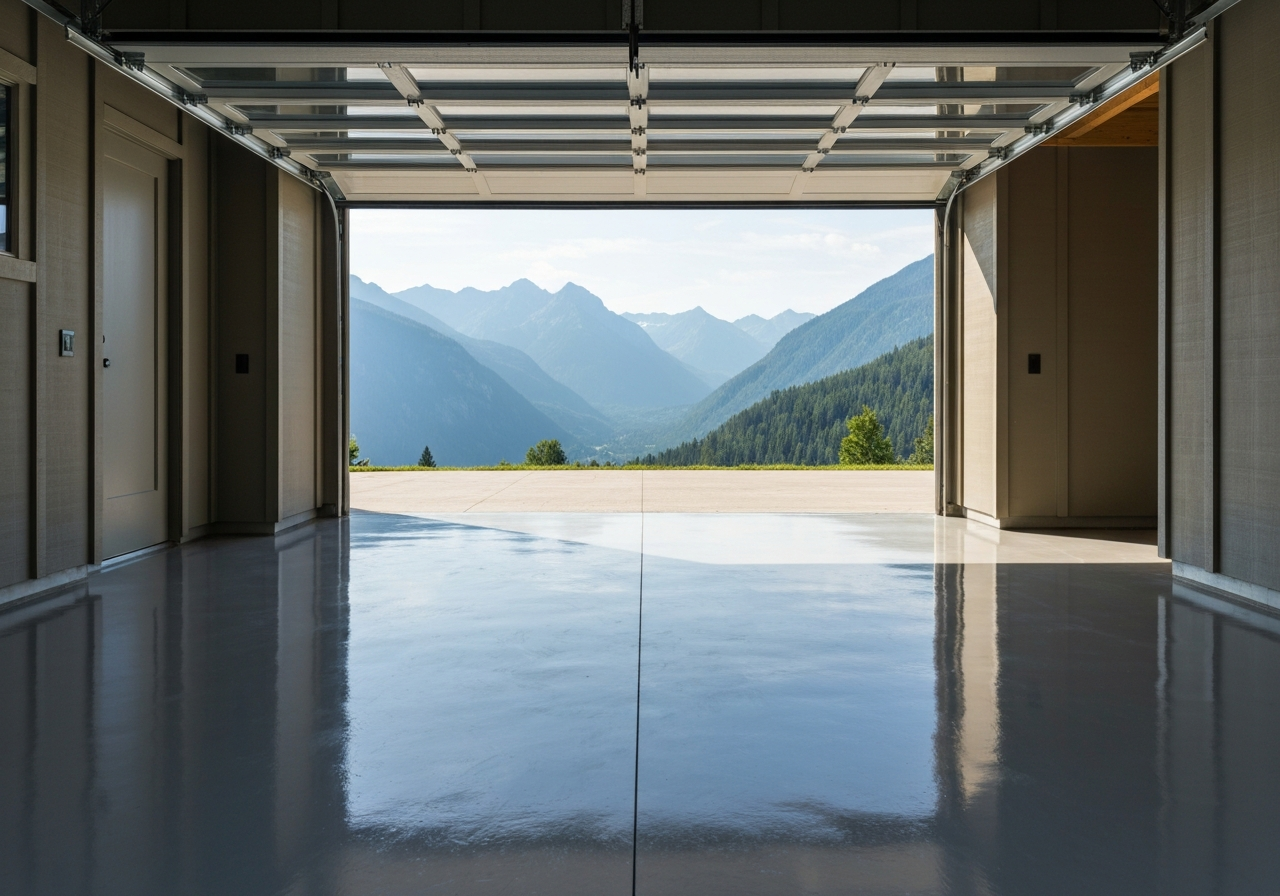
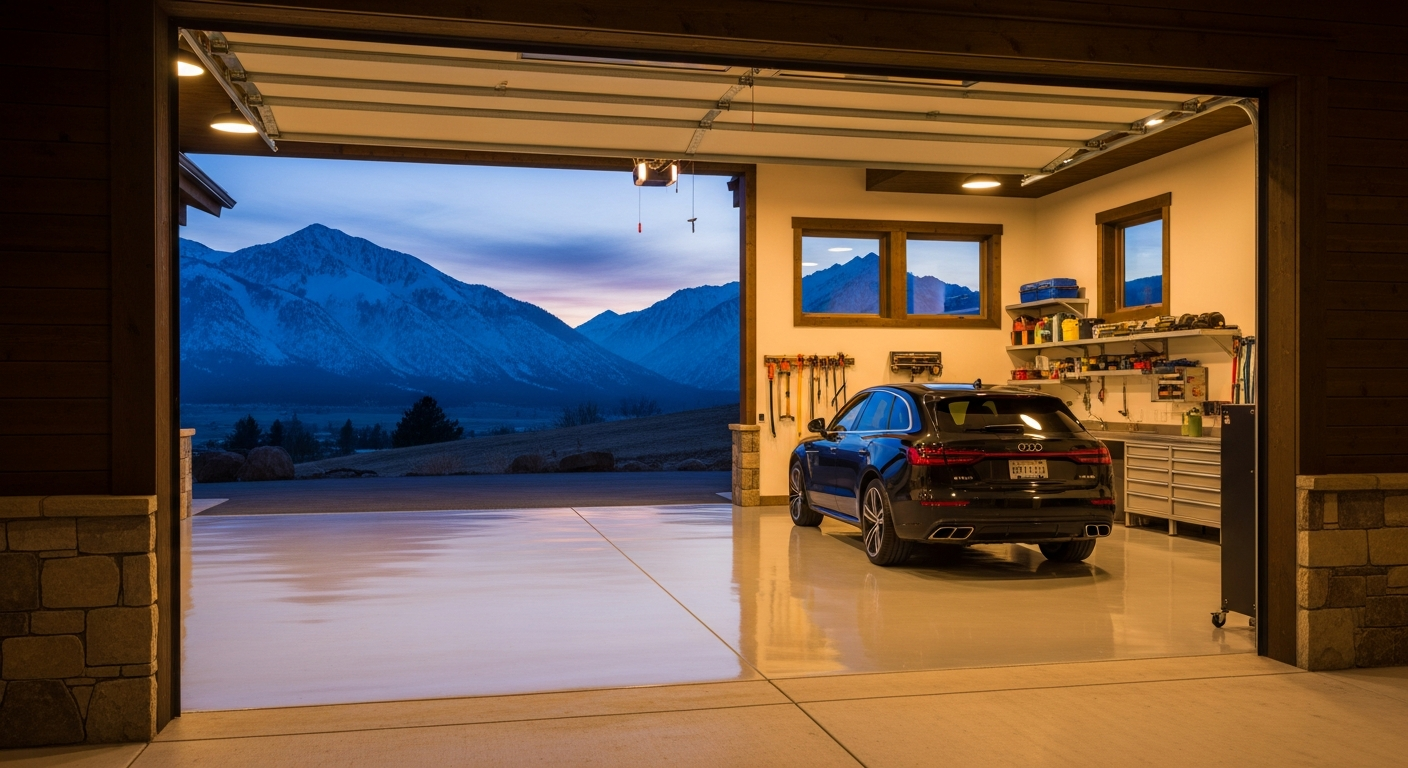
Garages are one of the best applications for polyaspartic coating in Flathead Valley. A garage floor sees hot tires, winter slush, snowmelt, salt, mud, tools, storage racks, and constant foot traffic. Bare concrete absorbs stains and can become dusty or uneven-looking over time. A professionally installed polyaspartic garage floor creates a cleaner, more finished space. It can make the garage feel like an extension of the home rather than an unfinished storage area. With a flake broadcast system, the floor also gains visual texture and a more forgiving appearance that helps hide small dirt, dust, and everyday wear. For homeowners who want a decorative flake look, see flake epoxy for related coating options and finish styles.
Shop Floors
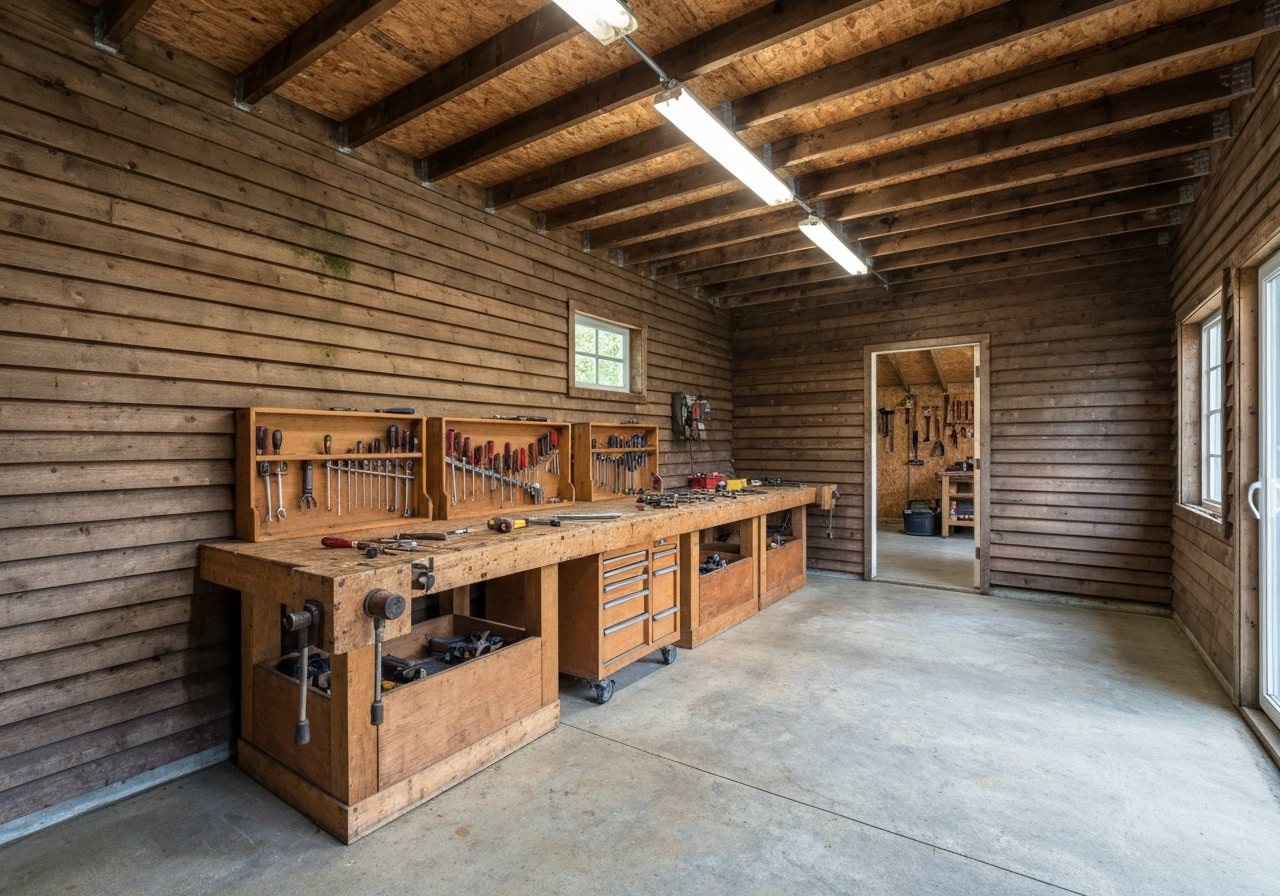
Shops need a floor that can handle more than occasional parking. Equipment, carts, workbenches, ladders, parts, tools, and frequent walking can wear down bare concrete. Dusting concrete can also make the space harder to keep clean. A polyaspartic coating can help create a more professional, easier-to-maintain shop floor. The surface can be built with texture for traction and finished for the level of use the space requires. For residential shops, detached garages, hobby shops, and workspaces around Kalispell, Whitefish, Bigfork, Columbia Falls, and nearby communities, polyaspartic is often a clean and durable upgrade. For dedicated shop applications, visit shop floor coatings.
Patios and Covered Outdoor Concrete
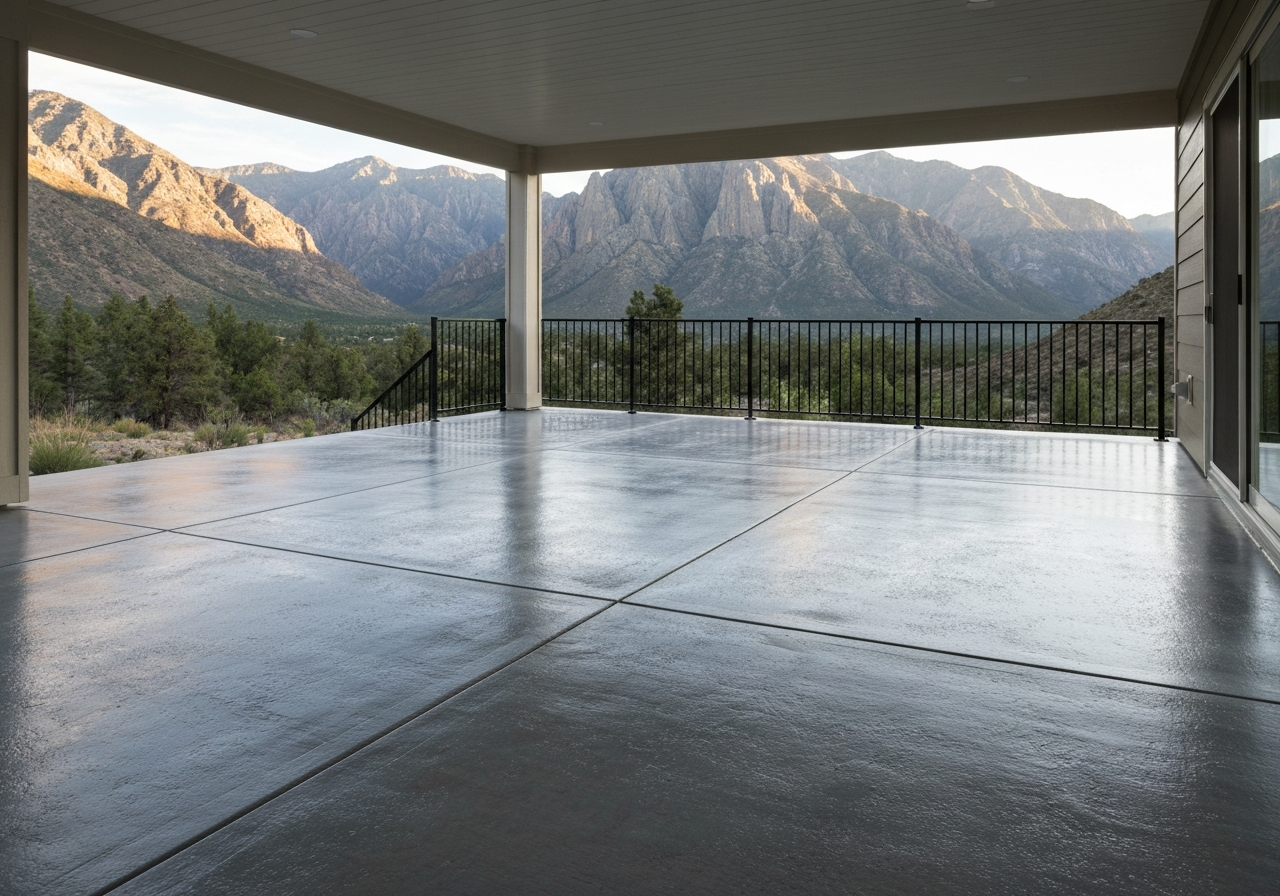
Polyaspartic can also fit certain patio and outdoor concrete applications, especially when UV stability is important. Outdoor surfaces require careful evaluation because exposure, drainage, surface condition, freeze-thaw movement, and moisture all affect coating performance. A patio coating should not be treated exactly like an interior garage floor. The surface must be reviewed for slope, cracking, spalling, moisture behavior, sun exposure, and texture needs. When the conditions are right, polyaspartic can provide a clean, durable finish that improves the look and maintainability of existing concrete.
Utility Rooms, Mudrooms, and Specialty Spaces
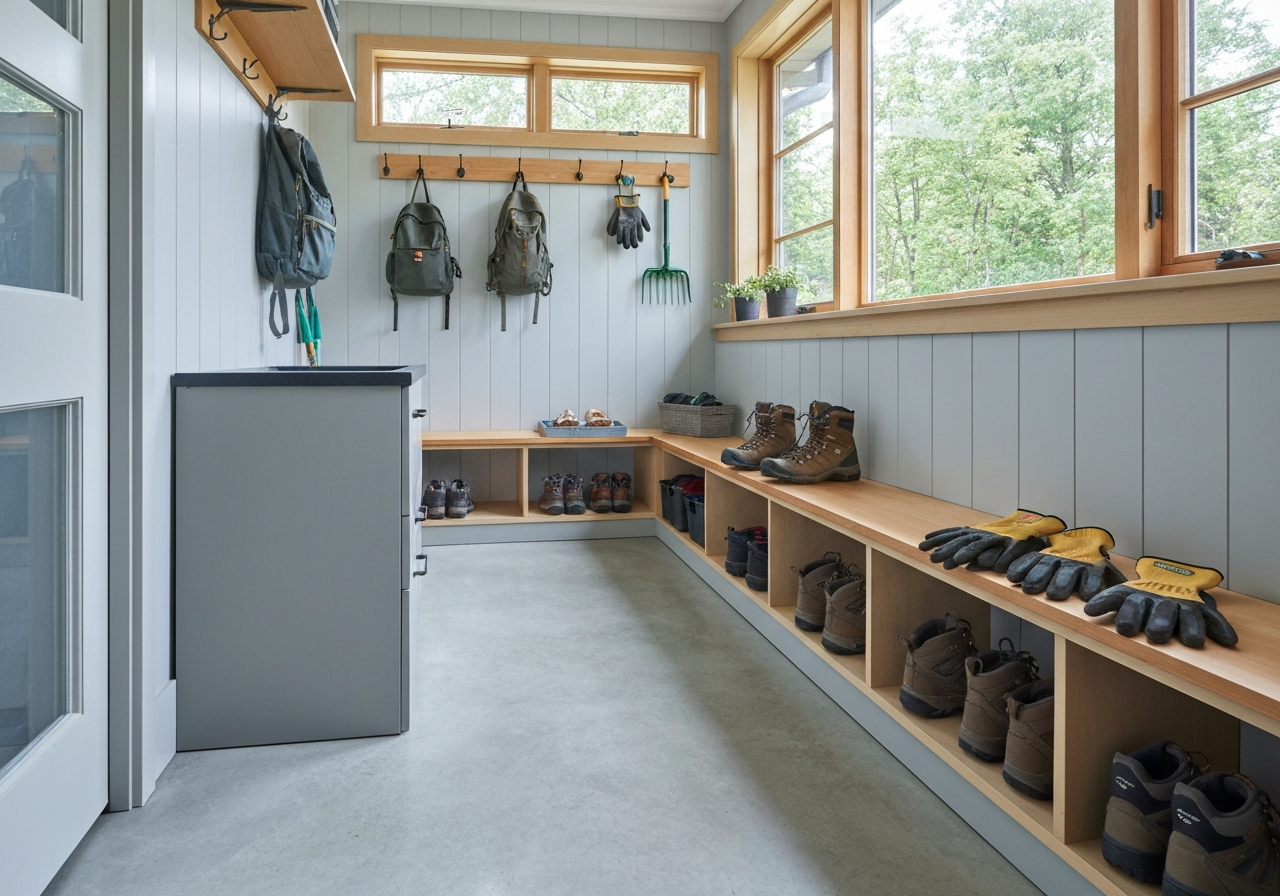
Some homeowners also use polyaspartic coatings in utility spaces, storage rooms, mudrooms, mechanical areas, and other concrete-floor spaces where easy maintenance matters. In Montana homes, these areas often deal with boots, wet gear, pets, storage, and seasonal mess. A coated concrete surface can make cleanup simpler and give the room a more finished feel.
The Streamline Solutions Polyaspartic Floor Coating Process
A strong coating system starts with preparation. The material matters, but the surface preparation matters just as much. Streamline Solutions follows a step-by-step process designed to create a clean, durable, well-bonded finish on existing concrete.
Surface Review and Project Fit
Every project starts by reviewing the condition of the concrete and how the space is used. The floor is checked for visible cracking, spalling, stains, previous coatings, moisture concerns, drainage issues, and areas that may need repair before coating. This step is important because not every slab should receive the same coating system. A garage in Kalispell may have different exposure than a patio in Bigfork or a shop floor in Columbia Falls. A mountain home near Whitefish may see heavier snow, more freeze-thaw stress, and different drainage conditions than a lower-elevation property. The goal is to recommend a coating system that fits the floor, not force one product into every situation.
Moisture, Contamination, and Existing Coating Check
Concrete can hold moisture, oils, salts, and contaminants. These issues can interfere with coating adhesion if they are ignored. Before installation, the floor is reviewed for signs of old sealers, paint, coating residue, oil staining, and other bond breakers. If a floor has an existing coating, it must be assessed carefully. Some old coatings are poorly bonded and need removal. Others may require more aggressive preparation. A coating system is only as reliable as the surface it is bonded to.
Mechanical Surface Preparation
Mechanical preparation is one of the most important parts of the process. The concrete surface must be opened and profiled so the coating can bond properly. This is different from simply cleaning or pressure washing the slab. A properly prepared surface gives the coating a better mechanical bond. It also helps remove weak surface material, minor surface contamination, and old residue. Skipping this step can lead to peeling, flaking, or early coating failure. Streamline Solutions' approach is practical: prepare the concrete correctly before building the coating system.
Crack and Surface Repair
Most existing concrete has some cracks, pits, joints, or worn areas. These are reviewed and addressed as part of the preparation process where appropriate. The goal is to improve the coating surface and reduce visible defects before the coating is applied. Repairs depend on the condition of the slab. Small cracks and surface imperfections may be filled or treated before coating. Larger movement cracks, control joints, or structural concerns may require a different conversation about expectations and long-term movement. A coating can protect and improve the surface, but it should not be oversold as a structural fix. Honest expectations matter.
Base Coat Application
Once the surface is prepared, the base coat is applied. This layer bonds to the concrete and forms the foundation of the system. For many garage and shop floors, the base coat is combined with a decorative flake broadcast to create a durable, textured, finished look. The base coat must be applied at the right coverage rate and within the correct working window. Polyaspartic materials cure quickly, so experience and timing matter. The installer needs to work efficiently without sacrificing coverage or detail.
Flake Broadcast for Texture and Appearance
A flake broadcast adds both style and function. The flakes create a multi-tone appearance that helps hide dust, light debris, small imperfections, and everyday wear. They also contribute to surface texture, which is important for garages and shops where snowmelt and wet boots are common. Flake color and density can be selected based on the desired look. Some customers want a clean neutral garage floor. Others want a darker shop floor that hides dirt more easily. The final choice should match the space, lighting, and maintenance expectations.
Scrape, Clean, and Detail
After the flake broadcast cures, the surface is scraped and cleaned to remove loose material and high points. This step helps create a more consistent finished surface before the topcoat is installed. Edges, corners, doorways, stem walls, transitions, and drains also need careful attention. Details matter because these are the areas people notice after the job is complete.
Polyaspartic Topcoat
The topcoat locks in the system and creates the final wear surface. This is where polyaspartic performs especially well. The topcoat provides UV stability, durability, abrasion resistance, and cleanability. The finish can be adjusted for the right balance of appearance and traction. A garage that sees wet tires and winter slush should not be treated like a showroom floor with no moisture exposure. Practical texture is important in Montana.
Cure Time and Return to Use
Polyaspartic coatings are known for fast cure times. Many floors can return to light foot traffic relatively quickly, with vehicle return depending on the system, temperature, conditions, and product specifications. Streamline Solutions gives clear guidance before the project is complete so the floor has the proper time to cure before regular use. Fast cure is one of the biggest reasons homeowners choose polyaspartic, but cure time should still be respected. Waiting the recommended period helps protect the finished floor.
What Affects the Cost of a Polyaspartic Floor Coating?
The cost of a polyaspartic floor coating depends on the floor size, surface condition, preparation needs, repair work, coating system, finish selection, and access. A simple two-car garage in good condition will usually be more straightforward than a large shop floor with cracks, oil staining, previous coatings, or moisture issues.
The biggest cost factors include:
- Square footage. Larger areas require more material, preparation time, and labor.
- Concrete condition. Cracks, pits, spalling, contamination, and soft surface areas can add preparation and repair time.
- Existing coatings or sealers. Old coatings may need removal before a new system can bond correctly.
- Finish type. A full flake polyaspartic garage floor may have a different cost than a simpler protective coating or specialty finish.
- Access and layout. Tight spaces, stem walls, transitions, stairs, drains, and built-in storage can affect installation time.
- Moisture and exposure. Patios, garage entries, and areas exposed to weather may need additional evaluation before pricing.
The most accurate price comes from looking at the actual floor. Photos can help with early planning, but final pricing usually depends on surface condition and project details. For more pricing guidance, visit the concrete coating cost page.
Why Choose Streamline Solutions for Polyaspartic Floor Coating?
Streamline Solutions is focused on concrete coating, sealing, protection, and surface restoration. That specialization matters. Polyaspartic installation is not just about rolling material onto concrete. It requires the right surface preparation, correct timing, realistic expectations, and a coating system chosen for the way the floor will actually be used.
The company's approach is practical and operator-led without unnecessary hype. The goal is to help homeowners and property owners understand their options clearly, choose the right system, and end up with a floor that fits the space.
For many properties across Flathead Valley, that means a durable polyaspartic garage floor that can handle Montana winters, road salt, snowmelt, gear, tools, and daily use. For shops, it may mean a harder-working surface that is easier to sweep and maintain. For patios and specialty areas, it may mean evaluating whether the surface is a good fit before recommending a coating.
Streamline Solutions serves Whitefish, Somers, Bigfork, Columbia Falls, Marion, Kalispell, Polson, Ronan, Eureka, and surrounding Northwest Montana communities. Commercial coating inquiries may also be considered in Missoula.
Where We Serve
Streamline Solutions installs polyaspartic floor coatings across Kalispell and the Flathead Valley, including:
We also serve surrounding parts of Flathead County, Northwest Montana, and select commercial projects in Missoula. For the most accurate recommendation, call 406-909-4342 and tell us where the floor is located, the approximate square footage, whether the space is heated, and how the floor is used.
Related Concrete Coating Services
Epoxy Garage Floors
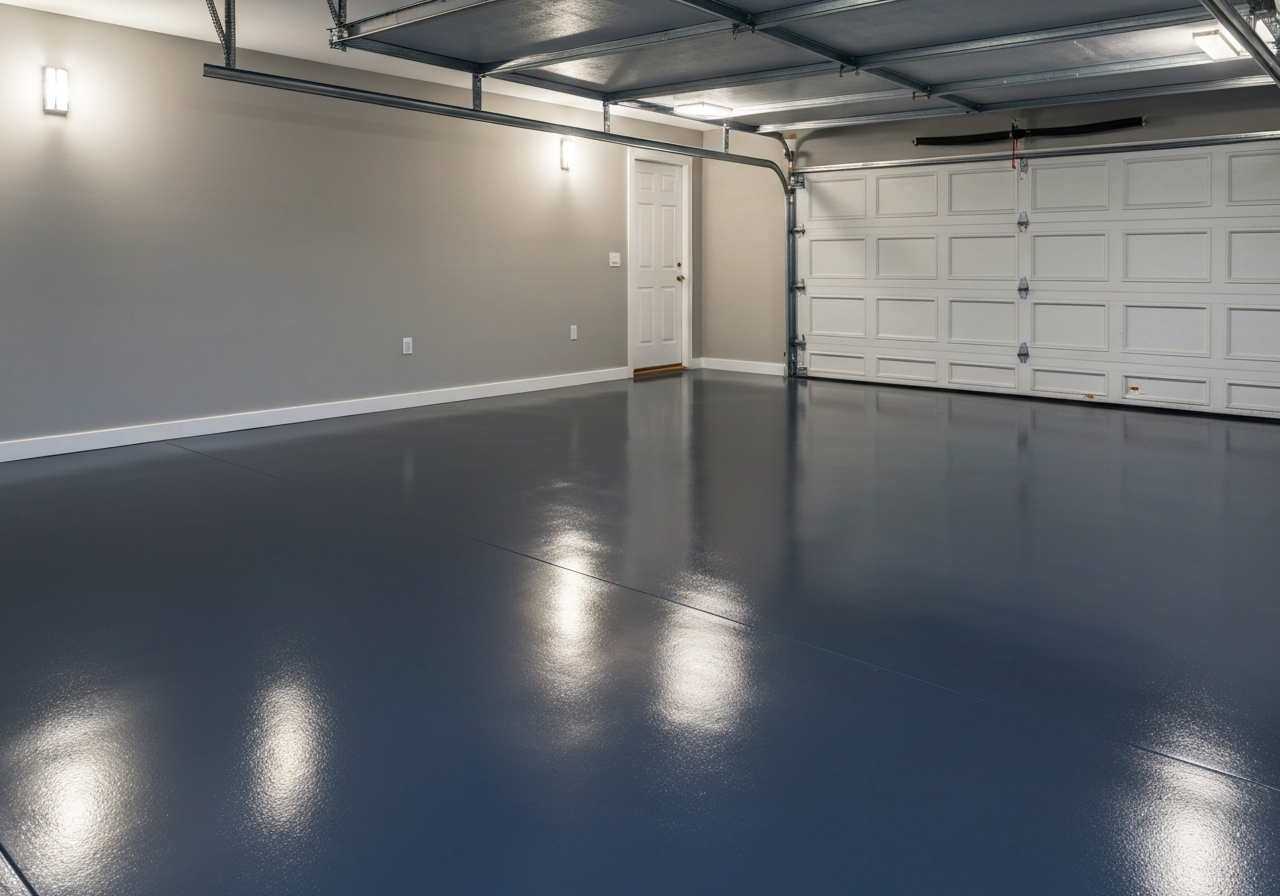
An epoxy garage floor may still be a practical option when the project calls for a different coating build or budget range. Explore solid color and epoxy-based systems for garages.
Learn more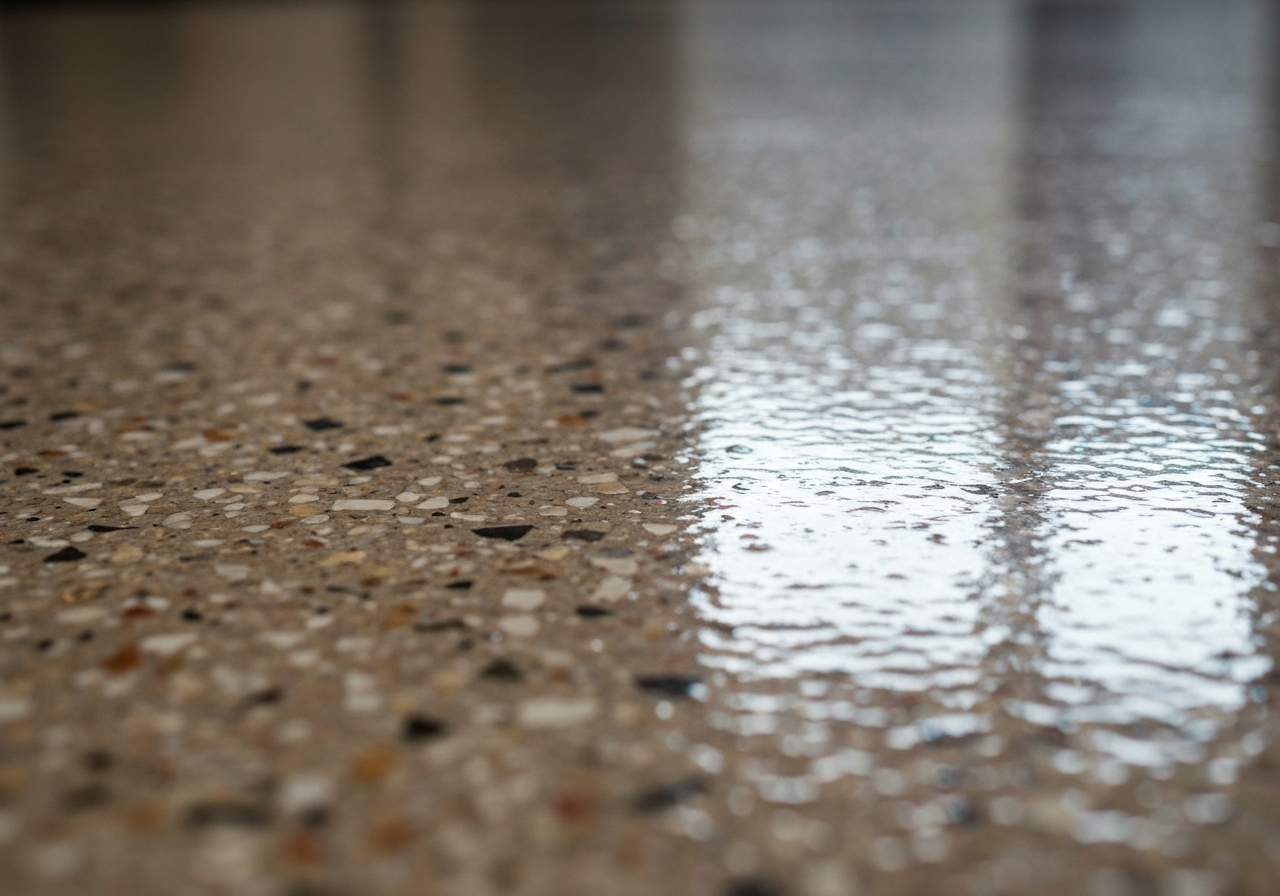
Flake Epoxy
For homeowners who want a decorative flake look, see flake epoxy for related coating options and finish styles that help hide dirt, dust, and everyday wear.
Learn more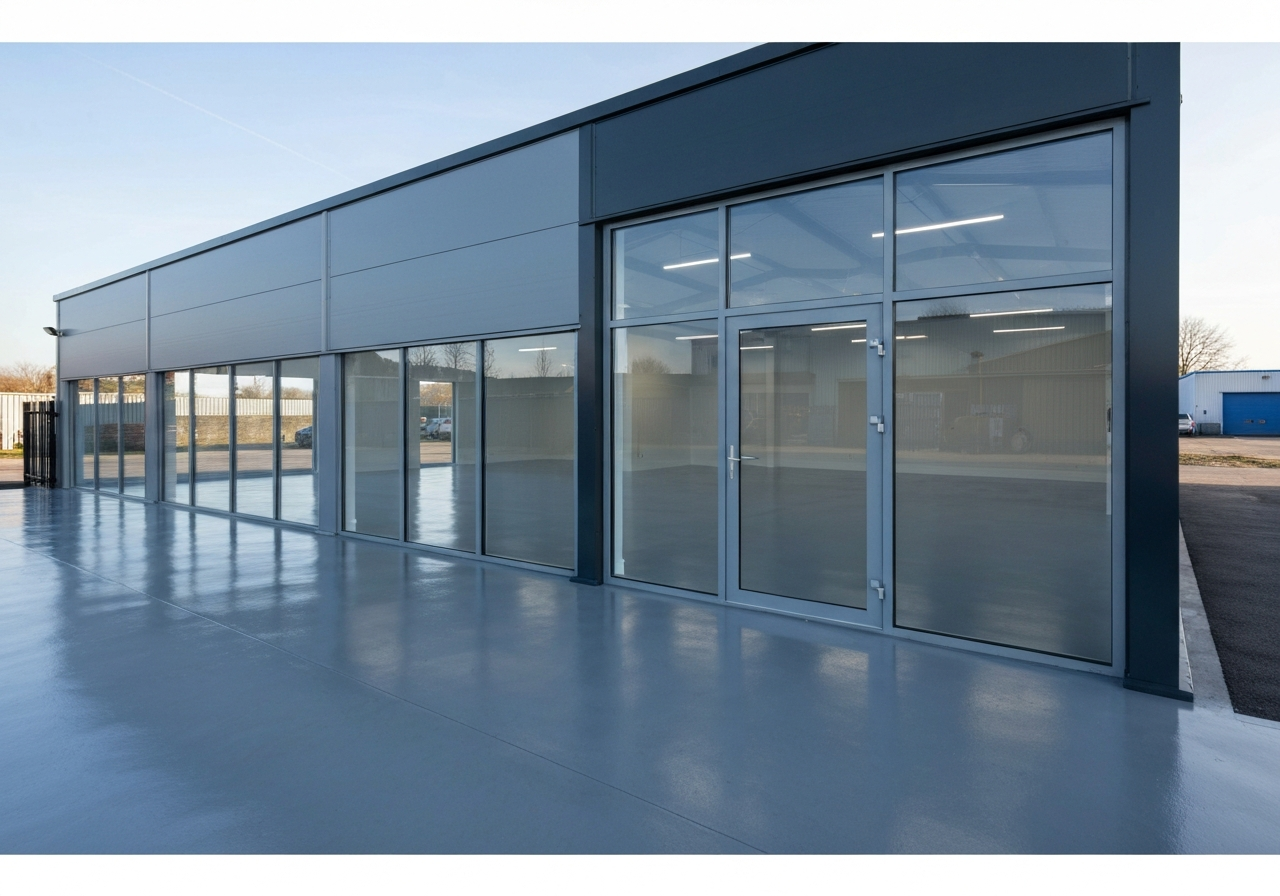
Shop Floor Coatings
For residential shops, detached garages, hobby shops, and workspaces, see our dedicated shop applications built for equipment, tools, and frequent walking.
Learn moreFor a broader look at available coating options, visit the main Concrete Coating hub.
Get a Polyaspartic Floor Coating Estimate
A quality polyaspartic floor starts with an honest look at the concrete. Streamline Solutions can review your garage, shop, patio, or specialty concrete floor and recommend a coating system that fits the surface, the setting, and the way the space is used. For homeowners and property owners in Flathead Valley, including Whitefish, Somers, Bigfork, Columbia Falls, Marion, Kalispell, Polson, Ronan, Eureka, and surrounding Northwest Montana communities, polyaspartic is a strong option when you want a durable, cleanable, UV-stable floor coating. Call 406-909-4342 to request a polyaspartic floor coating estimate.