Garage Floor Resurfacing in Kalispell & the Flathead Valley
Pitted, spalled, dusting, or salt-damaged concrete — restored and protected without tearing out the slab.
The Local Problem: Montana Road Salt, Mag Chloride, and Freeze-Thaw Damage Garage Slabs
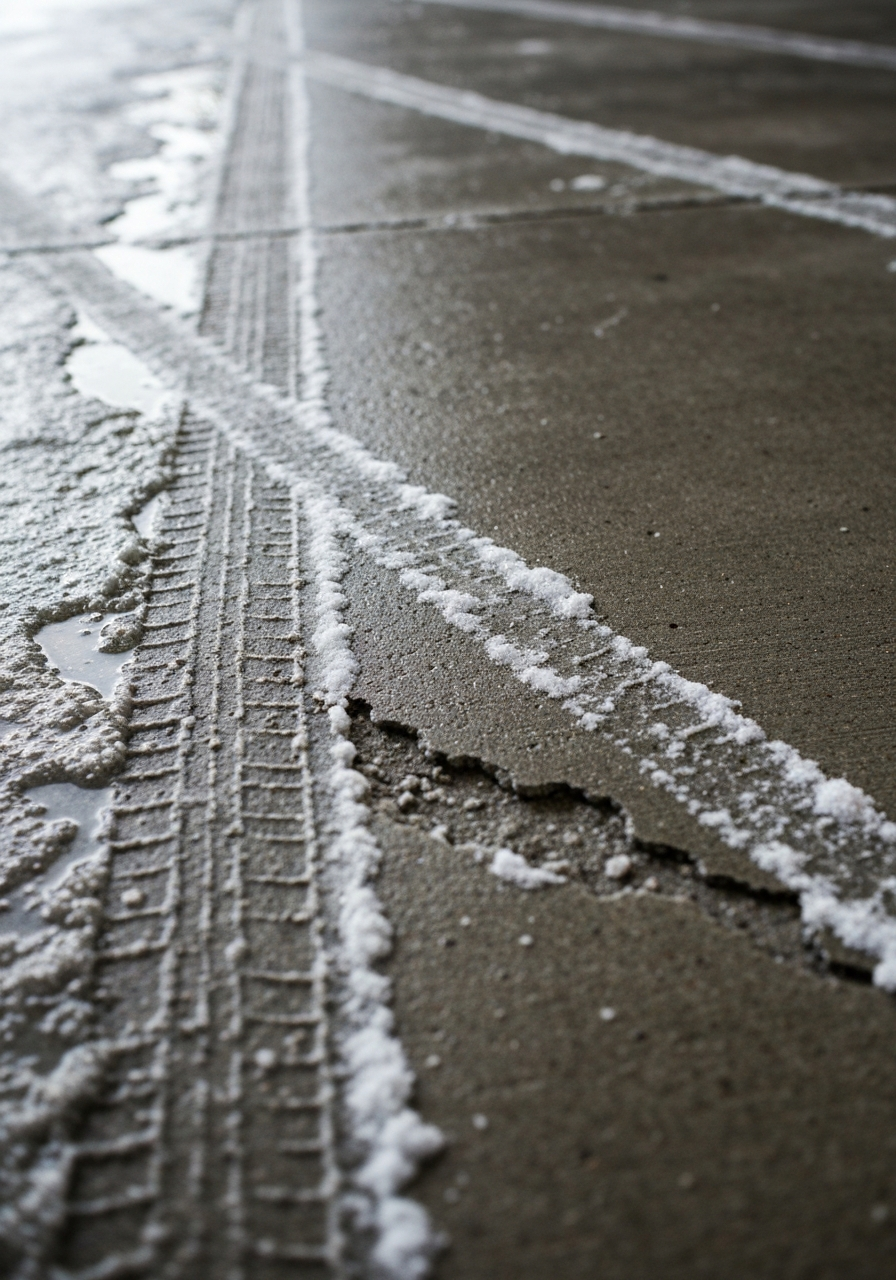
Garage floor damage in Northwest Montana often starts slowly. Vehicles pull in with snow, slush, grit, road salt, and mag chloride stuck to the tires, wheel wells, and undercarriage. That material melts onto the garage floor, sits in low spots, and works into the pores of the concrete. Over time, the surface begins to stain, dust, pit, and break down.
Freeze-thaw cycles make the damage worse. Moisture enters small defects in the concrete surface. When temperatures drop, that moisture can expand and stress the already weakened top layer. When temperatures rise again, more water and residue move into the same damaged areas. The cycle repeats through the winter and shoulder seasons.
This is why many garages in Kalispell, Whitefish, Columbia Falls, Evergreen, Bigfork, Somers, Lakeside, Kila, Marion, Polson, Ronan, and Eureka show the same symptoms: rough tire paths, shallow pitting, flaky surface areas, dusting concrete, old paint peeling in sheets, and darker salt-damaged zones near vehicle parking areas. The slab may not be failing structurally, but the surface is no longer clean, smooth, or easy to maintain.
A coating alone may not be enough when the surface is already damaged. If the concrete is pitted or spalled, those defects need to be addressed before a protective coating system is installed. That is where resurfacing becomes the right conversation.
What We Do: Resurfacing Damaged Existing Concrete Before Protection
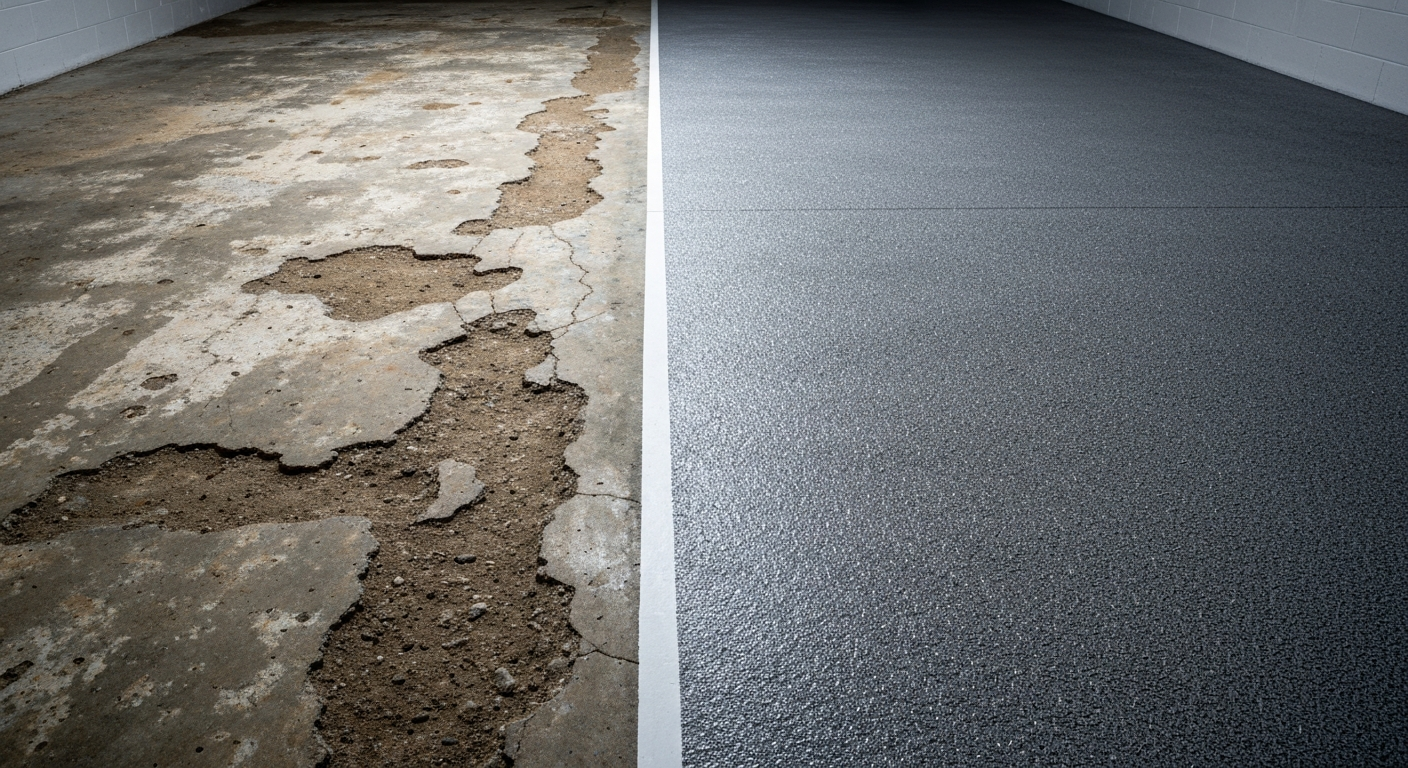
Garage floor resurfacing is the process of restoring the top surface of damaged existing concrete without tearing out the slab. Instead of simply painting over pitting, dusting, spalling, salt damage, or old failed coatings, a professional resurfacing approach starts with diamond grinding, surface repair, appropriate repair mortars or skim-build materials, and then a protective coating system over the restored surface. The goal is to make a worn garage or shop slab cleaner, stronger at the surface, easier to maintain, and better protected from the same conditions that damaged it in the first place.
At Streamline Solutions, we help Kalispell and Flathead Valley property owners answer a practical question: "Can this garage floor be saved?" In many cases, a slab that looks rough, pitted, stained, or salt-eaten still has enough integrity to be restored and protected. When the concrete is stable, resurfacing plus coating can often be a smart alternative to major demolition and replacement. When the slab has structural failure, major movement, severe heaving, or deep instability, replacement may need to happen first. Our work is focused on existing concrete surfaces that are suitable for coating, sealing, restoring, and protecting.
Streamline Solutions resurfaces and protects existing garage, shop, and work-area concrete that is still suitable for restoration. We are Concrete Surface Protection Specialists, which means our work is centered on coating, sealing, restoring, and upgrading concrete surfaces that are already in place. We do not treat damaged concrete as a paint problem. We evaluate the slab, prepare the surface, repair appropriate defects, rebuild the worn surface where needed, and then protect it with a coating system selected for the space.
At a high level, our resurfacing work may include diamond grinding, old coating removal, crack and pit repair, spall repair, repair mortar placement, skim or overlay build, and a protective garage floor coating over the restored surface. The exact approach depends on the condition of the concrete. A lightly pitted garage floor may need a different plan than an older shop slab with dusting concrete, peeling paint, oil stains, and deeper surface damage.
The coating system on top is still important, but this page is about what happens before that coating. If the surface is not properly repaired and prepared, even a good coating can struggle. Resurfacing gives the coating system a better foundation and gives the owner a more usable floor.
Benefits of Professional Garage Floor Resurfacing
Save a Floor That Looks Worse Than It Is
Many damaged garage floors look beyond saving at first glance. Pitting, flaking, salt stains, old paint, and rough surface patches can make the slab appear like it needs to be torn out. In many cases, the deeper concrete is still stable enough for restoration. Professional resurfacing helps separate cosmetic and surface-level damage from true structural failure. If the slab is a good candidate, repairs and coating can bring the surface back to a cleaner, more usable condition without the disruption of full replacement.
Reduce Dusting and Surface Breakdown
Dusting concrete is frustrating because it never really feels clean. You can sweep the garage, and within a short time the surface sheds more powder. That dust settles on vehicles, tools, storage bins, shelves, and anything kept near the floor. Resurfacing helps address weak, worn, or powdery surface material before the floor is coated. Once repaired and protected, the surface is easier to maintain and less likely to keep shedding concrete dust under normal use.
Repair Pitting, Spalls, and Rough Tire Paths
Salt-damaged garage floors often have rough tire paths and shallow craters where the top layer has broken down. Those defects hold water, dirt, and residue, which makes cleaning harder and allows damage to keep spreading. Professional resurfacing can fill, repair, and rebuild appropriate pitted and spalled areas before the protective coating is installed. The goal is not to claim the slab becomes brand new, but to restore the surface enough that it performs better, looks better, and is easier to protect.
Improve the Final Coating Result
A coating installed over damaged concrete can only do so much. If pits, spalls, old coating edges, dusting areas, or weak patches are left untreated, they can affect the final appearance and long-term performance of the floor. Resurfacing creates a better base for the coating system. Repairs, grinding, and surface build help produce a cleaner finished floor. The result is usually stronger and more professional-looking than a patch-and-paint approach.
Less Disruption Than Slab Replacement
Full slab replacement can be expensive, disruptive, and time-consuming. It may involve demolition, hauling, subgrade work, curing time, access limitations, and a period where the garage or shop is largely unusable. For a surface-damaged but stable slab, that may be more disruption than the project actually needs. Resurfacing and coating can often restore the working surface with less downtime and less disruption. It is not the answer for every slab, but when the concrete is a good candidate, it can be a practical middle path between living with a damaged floor and replacing the entire slab.
Better Long-Term Protection After Repair
Repairing pitting without protecting the surface leaves the floor exposed to the same conditions that caused the damage. Road salt, mag chloride, snowmelt, grit, hot tires, and freeze-thaw moisture can continue to attack the concrete. That is why resurfacing is usually paired with a protective coating system. The repair work improves the surface, and the coating helps protect it going forward. Together, they make more sense than either step by itself.
Resurfacing vs. Slab Replacement
Garage floor resurfacing and slab replacement solve different problems. Resurfacing is a surface restoration process. It is intended for existing concrete that is worn, pitted, spalled, dusty, stained, or previously coated, but still stable enough to support a repair and coating system. Slab replacement is a deeper structural solution for concrete that has failed beyond the surface.
Resurfacing is often the better fit when the damage is mostly at the top layer. If the slab is generally flat, stable, and not moving severely, resurfacing can improve appearance, cleanability, and protection without tearing out the entire floor. It can also reduce downtime compared with replacement.
Replacement may be the right first step when the slab has major heaving, deep structural cracking, severe settlement, major movement, widespread instability, or base problems beneath the concrete. A coating system cannot stop structural movement underneath it. If the concrete is moving or failing deeply, the surface should not be treated like the main problem.
Cost and disruption are also different. Resurfacing and coating typically cost less than full replacement and can often be completed with less demolition and less interruption. Replacement may involve removing the old slab, handling the base, placing new concrete, waiting for cure, and then deciding whether a protective coating should be added later.
The honest answer is that resurfacing is not a shortcut around structural failure. It is a smart option when the slab is still a suitable candidate. During the evaluation, Streamline Solutions looks at whether the existing surface can be restored and protected, or whether the concrete is too far gone for coating work to be the right next step.
Resurfacing + Coating
- Surface restoration
- Days of disruption
- Lower cost
- Right for stable slabs
Slab Replacement
- Structural fix
- Weeks of disruption
- Higher cost
- Right for failed slabs
From damaged concrete to a fully restored and protected surface system.
Our Garage Floor Resurfacing Process
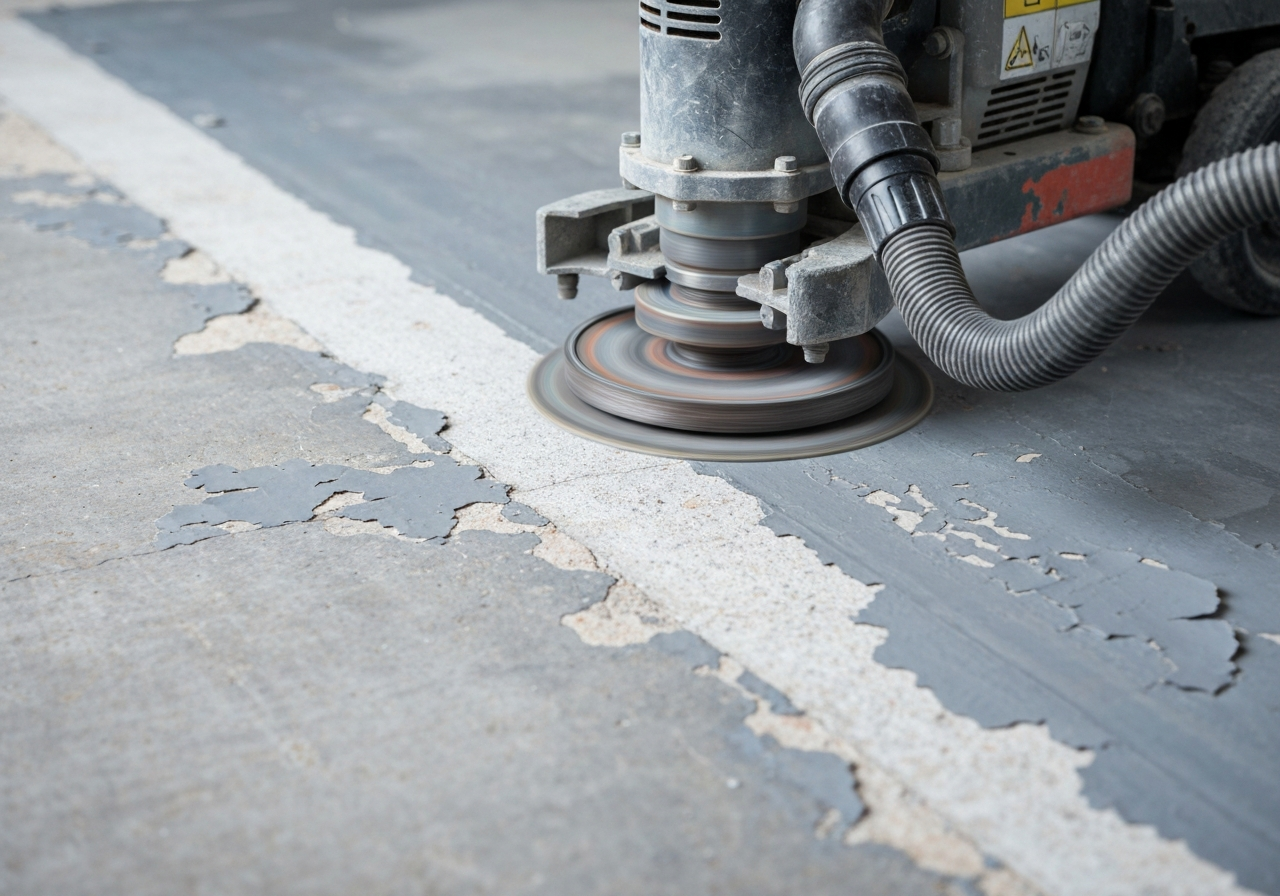
Initial floor review and project goals
We begin by looking at the condition of the existing garage or shop floor and learning what the owner wants to solve. Common goals include reducing dust, repairing pitting, improving appearance, removing old paint, making the floor easier to clean, and preparing the surface for a durable coating.
Damage and stability assessment
We inspect the slab for pitting, spalling, cracks, hollow areas, dusting, old coatings, paint failure, oil contamination, moisture concerns, soft concrete, settlement, heaving, and other signs of movement. The key question is whether the damage is primarily surface-level or whether the slab has deeper problems that need to be addressed before resurfacing makes sense.
Old coating and weak surface removal
If the floor has old paint, sealer, or a failing coating, weak material needs to be removed. We do not build a restoration system over peeling paint or loose surface layers. Removing failed material helps expose the real concrete condition so repairs can be done properly.
Diamond grinding for mechanical preparation
We prepare the concrete with diamond grinding, not acid etching. Grinding removes weak surface material, opens the concrete, and creates a mechanical profile for repair materials and coating layers. It also helps reveal areas that need more attention before resurfacing.
Crack, pit, and spall repair
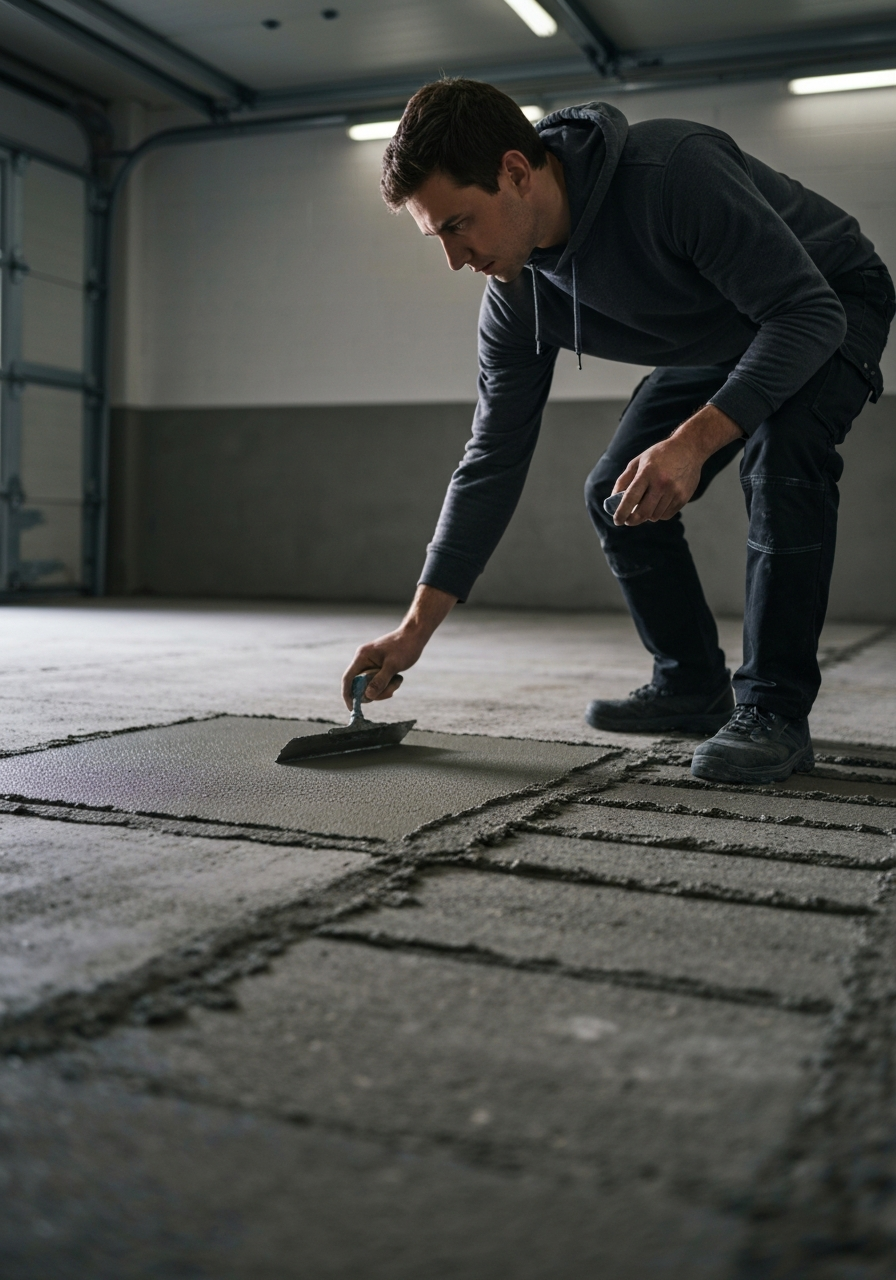
Appropriate cracks, pits, divots, and spalled areas are repaired using materials selected for the condition of the floor. Some defects are filled to improve appearance and function, while others may require deeper repair. Moving cracks or structural issues may still telegraph over time, so we explain limitations before work begins.
Repair mortar or skim-build resurfacing where needed
Depending on the damage, resurfacing may include repair mortars, skim coats, or overlay build to restore the worn top surface. The goal is to rebuild the damaged surface enough to create a cleaner, more stable base for the protective coating. The depth and type of build depend on the slab condition.
Surface refinement before coating
After repairs and resurfacing materials cure properly, the floor may need additional grinding, scraping, sanding, or cleaning to prepare for the coating system. This step helps control texture, remove high spots, and create a better surface for the finish layers.
Protective coating system installation
Once the surface is restored, a protective coating system is installed. This may include an epoxy-based system, flake-broadcast finish, and/or polyaspartic topcoat depending on the use of the garage or shop. The coating helps protect the repaired surface from future wear and winter contamination.
Topcoat and finish details
The topcoat becomes the working surface of the floor. It affects durability, cleanability, texture, chemical resistance, and return-to-use timing. For many resurfaced garage floors, a durable clear topcoat is important because the floor has already shown vulnerability to wear and contamination.
Cure guidance and maintenance instructions
After installation, we explain when the floor can handle foot traffic, when vehicles can return, and how to care for the restored surface. Maintenance matters, especially during winter. Regular removal of salt, mag chloride, gravel, and chemical residue helps protect the investment.
Related Concrete Coating Services
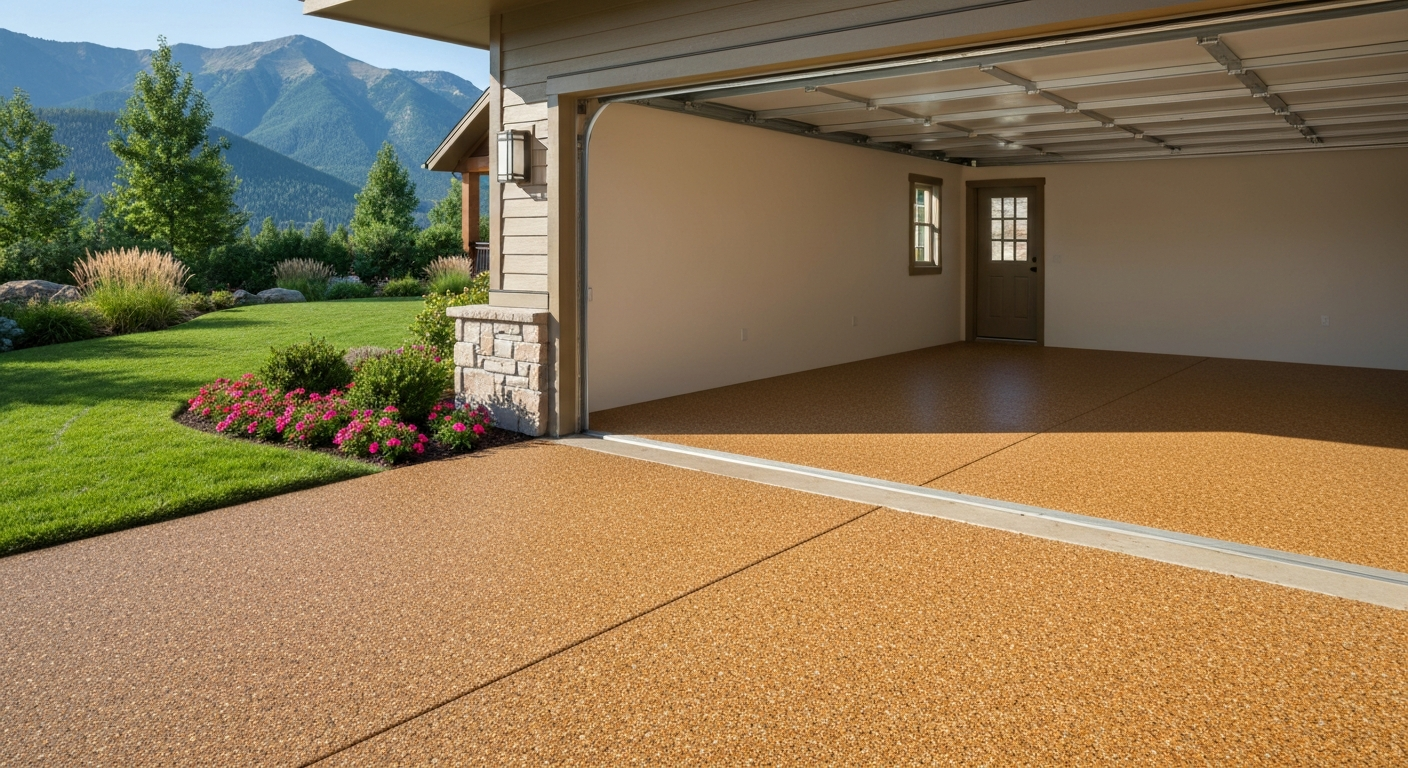
Garage Floor Coatings
Garage floor coatings are the broader category for protecting existing concrete after preparation. If your floor is not heavily damaged and you are comparing coatings against paint, mats, tiles, or sealers, that page may be a better starting point.
Learn more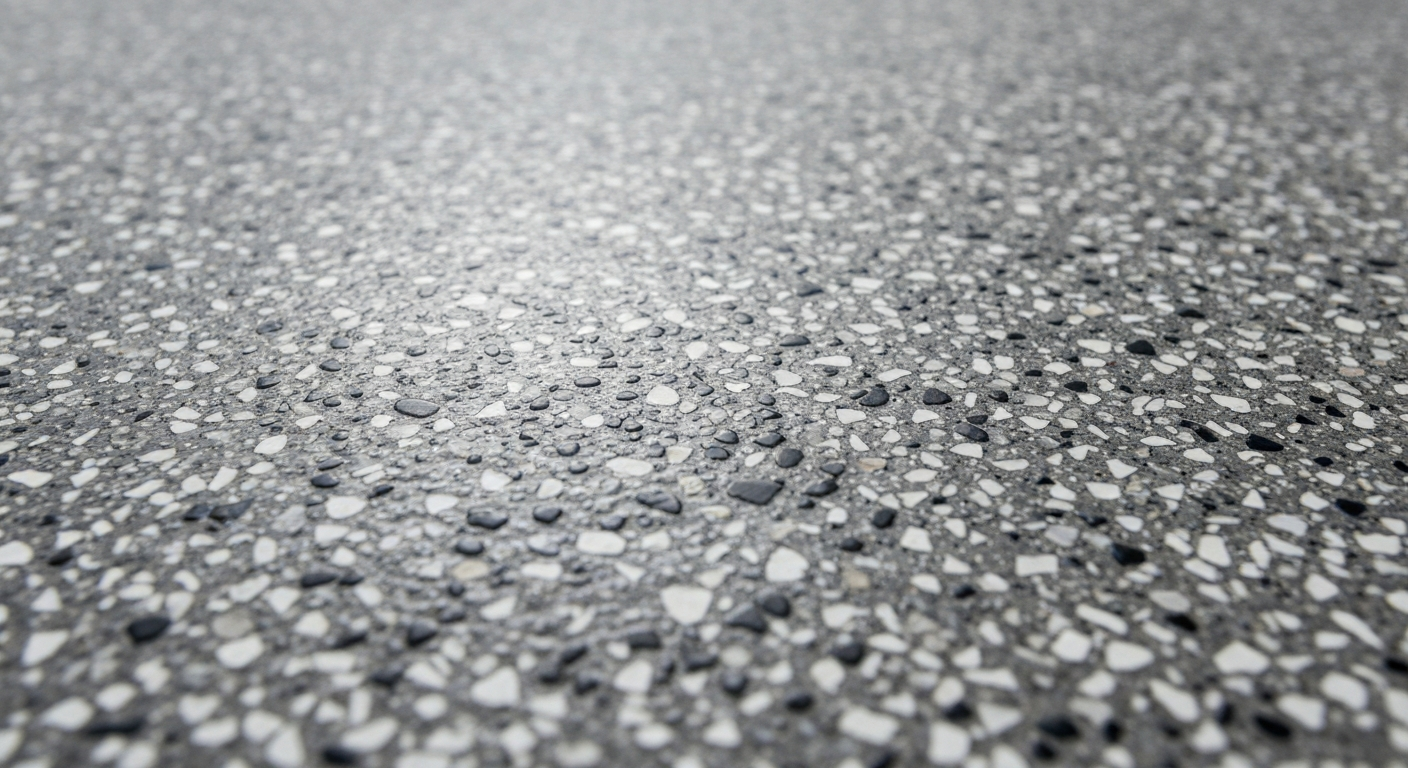
Flake Epoxy
Flake epoxy is often a practical finish after resurfacing because it helps camouflage repaired areas, surface variation, dust, and daily garage use. It adds visual texture while creating a cleaner, more finished look over the restored slab.
Learn more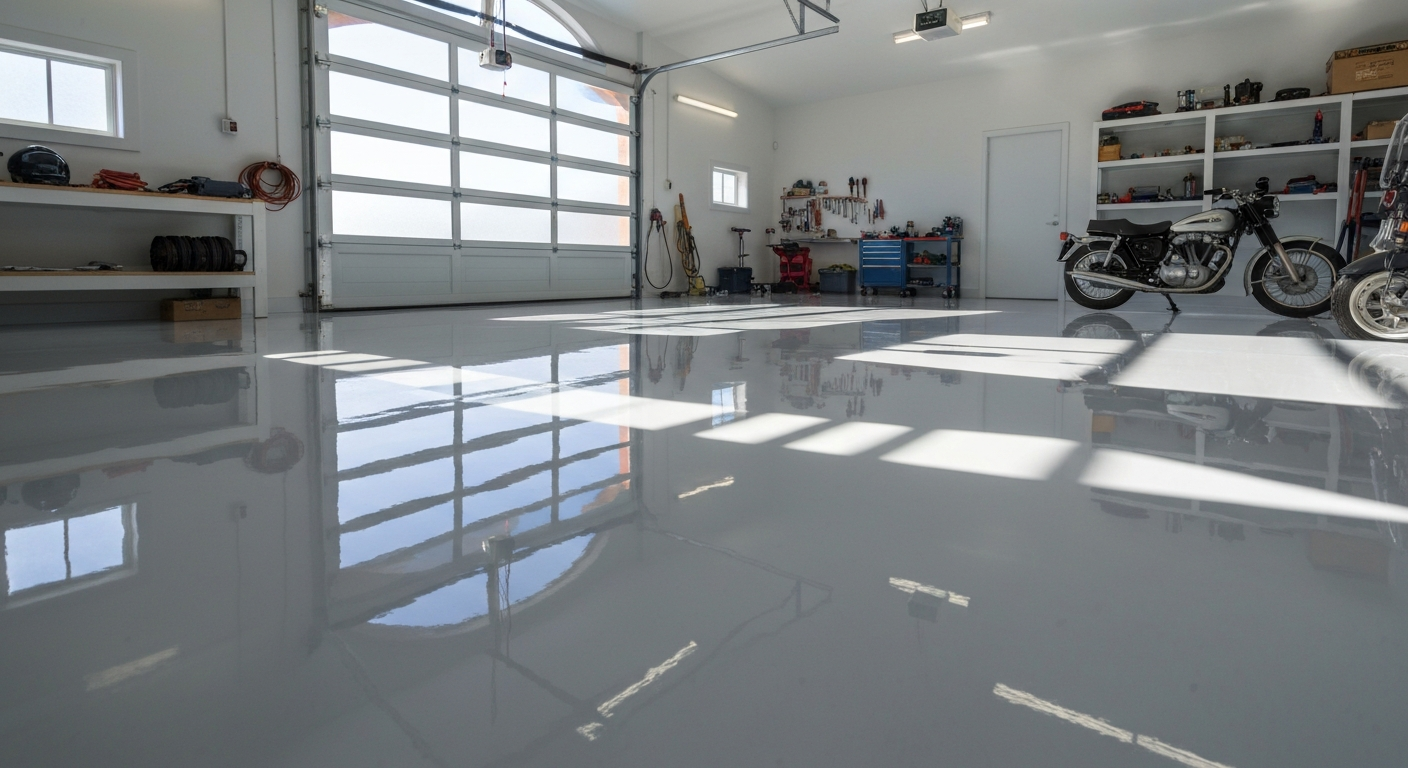
Polyaspartic Floor Coatings
Polyaspartic topcoats are often used when durability, cure speed, chemical resistance, and UV stability are priorities. On resurfaced floors, the topcoat matters because it helps protect the repaired surface from future wear.
Learn moreProfessional Resurfacing vs. DIY Patch-and-Paint
DIY patch-and-paint projects often fail because they treat damaged concrete as a cosmetic problem. A homeowner may fill the worst pits, roll on paint, and hope the floor holds. The issue is that the surrounding concrete may still be dusty, weak, contaminated, or poorly prepared. Paint over weak concrete does not create a reliable restoration.
Professional resurfacing starts by removing weak material and preparing the slab mechanically. Diamond grinding, repair selection, surface build, and coating compatibility all matter. The goal is not just to hide pitting for a few months. The goal is to restore the surface enough that a protective coating system can bond and perform.
DIY patches can also look obvious. Different patch colors, uneven edges, and paint lines may remain visible, especially on solid-color finishes. A professional system can use resurfacing and coating choices that help reduce the appearance of repairs, especially when a flake or textured finish is appropriate.
There is also a durability difference. Store-bought patch products and thin coatings may not handle hot tires, road salt, mag chloride, snowmelt, and garage traffic very well. A professional resurfacing and coating system is built around preparation, repair depth, coating build, and topcoat performance.
That does not mean every damaged floor needs the most expensive system. It means the repair plan should match the slab. A lightly pitted floor may need a simpler approach than a severely dusting, salt-damaged, previously painted garage. The right evaluation prevents wasted effort.
| Feature | Professional Resurfacing | DIY Patch-and-Paint |
|---|---|---|
| Surface Prep | Weak material removed + mechanical prep | Patch the worst pits and paint |
| Repair Focus | Repair depth matched to damage | Surface cosmetics |
| Appearance | Repairs camouflaged by system choice | Visible patch lines |
| Durability | Built for hot tires/salt/snowmelt | Fails in tire paths |
| Approach | Evaluated plan | Hope |
Garage Floor Resurfacing Cost in Kalispell and the Flathead Valley
Professional garage floor resurfacing in the Kalispell and Flathead Valley area commonly ranges from about $8 to $18+ per square foot when surface restoration and a protective coating system are included. Light resurfacing over a mostly stable slab with minor pitting may fall toward the lower end. More damaged floors with old coating removal, deeper pitting, spalling, oil contamination, crack repair, skim-build work, or premium topcoats can cost more.
For a typical two-car garage, many resurfacing and coating projects may fall around $4,000 to $9,000+, depending on the damage and system selected. This is often less disruptive than slab replacement, but it is more involved than coating a clean, newer garage floor. Resurfacing requires more time, repair material, surface correction, and evaluation.
The biggest cost drivers are concrete condition, depth of pitting, amount of spalling, dusting severity, old coating or paint removal, oil contamination, moisture concerns, crack repair, repair mortar quantity, overlay or skim-build needs, square footage, edge detail, drains, stairs, stem walls, access, and topcoat selection.
For a realistic quote, call 406-909-4342. Photos can help with an initial conversation, especially close-up photos of pitting, cracks, peeling paint, and damaged tire paths. In many cases, an in-person review is needed before final pricing because surface damage can look different in photos than it does under grinding and inspection.
Where We Serve
Streamline Solutions provides garage floor resurfacing across Kalispell and the Flathead Valley. We also serve surrounding parts of Flathead County, Northwest Montana, and select commercial projects in Missoula.
Pros of Garage Floor Resurfacing
Garage floor resurfacing can restore damaged concrete without the disruption of full slab replacement when the existing slab is still a good candidate. It can reduce dusting, repair pitting and spalling, improve appearance, and create a better base for a protective coating system. For salt-damaged Flathead Valley garages, it can turn a rough, hard-to-clean slab into a usable surface again. Resurfacing is also practical for floors that look too worn for a standard coating. Instead of ignoring the damage, the process addresses weak surface areas and rebuilds the top layer where appropriate. When paired with a durable coating, the repaired surface is better protected from future wear.
Cons of Garage Floor Resurfacing
Resurfacing cannot correct every slab problem. Major movement, severe heaving, structural cracking, deep instability, or moisture vapor problems may make the floor a poor candidate until deeper issues are addressed. A coating system cannot make unstable concrete stable. Resurfacing also costs more than a basic coating over clean concrete. The extra cost reflects grinding, removal, repair materials, surface build, labor, and the added time needed to make a damaged slab suitable for coating. It is a restoration process, not a quick cosmetic refresh.
Best For
Garage floor resurfacing is best for existing concrete with pitting, spalling, dusting, salt damage, shallow surface breakdown, old paint, failed coatings, tire-path wear, and rough surface areas. It is a strong fit for garages, shops, storage areas, and workspaces where the slab is still stable but the surface has become hard to clean or visually worn. It is especially useful for Kalispell and Flathead Valley garages that have been damaged by snowmelt, road salt, mag chloride, freeze-thaw cycles, and years of vehicle use. If the slab looks bad but still has a sound base, resurfacing may be the right path.
Not Recommended For
Resurfacing is not recommended when the slab has major structural failure, severe heaving, widespread movement, deep settlement, major base problems, or moisture conditions that make coating unreliable. In those cases, replacement or deeper correction may need to happen before a protective surface system makes sense. It may also be more than necessary for a garage with clean, newer concrete and only minor staining. In that situation, a standard garage floor coating may be the better fit.
Our Recommendation
"If your garage or shop floor is pitted, spalled, dusting, salt-damaged, or covered in old failing paint, do not assume it has to be torn out. Many existing slabs can be restored with diamond grinding, appropriate repairs, resurfacing build, and a protective coating system that helps prevent the same damage from continuing. The honest first step is evaluating whether the slab is stable enough to save, then choosing a restoration plan that fits the floor instead of hiding the problem with paint."
— Kalispell Concrete Surface Protection Specialists