Basement Floor Coatings in Kalispell & the Flathead Valley
Moisture-aware coating systems that turn cold, dusty below-grade concrete into clean, usable living space.
Built for Below-Grade Slabs
Moisture-Tolerant Primer Options
Year-Round Indoor Installation
12 Flathead Towns Served
Montana Basements Deal With Cold Slabs, Dust, Moisture, and Flooring That Fails Below Grade
Basements in Kalispell and Northwest Montana often do a little bit of everything. One area may be a family room, another may be a laundry room, and another may be used for storage, tools, workout equipment, ski gear, hunting gear, or overflow from the garage. The floor has to handle real life, not just look good on move-in day.
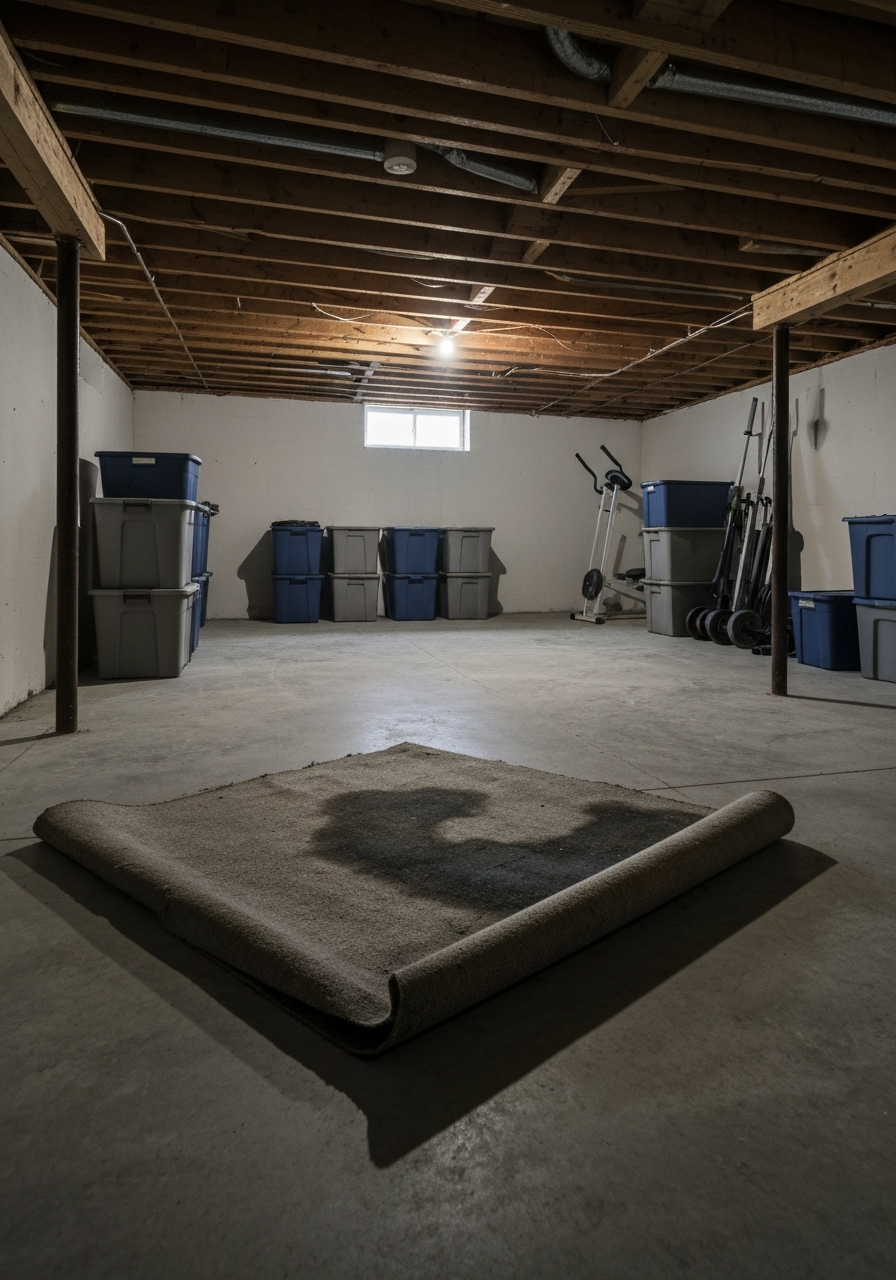
Bare basement concrete has common problems. It can feel cold underfoot, look unfinished, create concrete dust, absorb spills, and make the whole room feel darker than it needs to be. Even when the basement is dry most of the year, the slab can still give off moisture vapor because it sits below grade.
That below-grade reality is where many traditional flooring materials struggle. Carpet and pad can hold moisture, odors, dust, and allergens. Laminate can swell or separate when moisture finds its way into seams. Some floating floors can trap moisture between the slab and flooring system, creating hidden problems that are hard to see until damage has already happened.
Tile can work in some basements, but it introduces grout maintenance, cold hardness, and potential cracking if the slab moves. For utility spaces, home gyms, laundry rooms, and storage areas, many homeowners want something more practical than carpet and less fussy than tile.
A coating system keeps the existing concrete slab as the base and upgrades the surface instead of burying it under moisture-sensitive layers. That makes it a strong option for many finished-basement and semi-finished-basement spaces in the Flathead Valley.
What We Do: Basement-Appropriate Floor Coating Systems
A basement floor coating is a protective floor system installed over an existing concrete basement slab to make the space cleaner, brighter, easier to maintain, and more practical for everyday use. Instead of covering below-grade concrete with carpet, laminate, or floating flooring that can struggle with moisture, a basement floor coating bonds directly to the prepared concrete surface and creates a finished floor built for rec rooms, walkouts, home gyms, laundry rooms, utility rooms, workshops, and storage areas.
At Streamline Solutions, we install basement-appropriate coating systems for existing concrete floors throughout Kalispell and the Flathead Valley. We are Concrete Surface Protection Specialists, focused on coating, sealing, protecting, restoring, and upgrading existing concrete and paver surfaces. We do not pour new concrete, install new slabs, or imply that a coating can fix structural slab problems.
For many Montana homes, the basement is too useful to leave as cold, dusty concrete but too moisture-prone for soft flooring. A properly selected basement concrete floor epoxy or polyaspartic-style system can help turn the slab into a more finished surface without adding mold-feeding padding, absorbent carpet, or vulnerable laminate layers. The right system depends on the slab, the room use, moisture conditions, and the level of finish you want.
A basement floor coating is not a magic moisture cure. Below-grade concrete has real moisture-vapor behavior, and that needs to be respected. We evaluate the surface, discuss moisture history, and use basement-appropriate preparation and product choices so the recommendation fits the space rather than pretending every slab is the same.
Streamline Solutions installs coating systems designed around existing basement concrete. Depending on the room and slab condition, that may include solid-color coatings for utility areas, decorative flake systems for laundry rooms, storage spaces, gyms, walkouts, and rec rooms, or moisture-tolerant primer systems when the slab conditions require them.
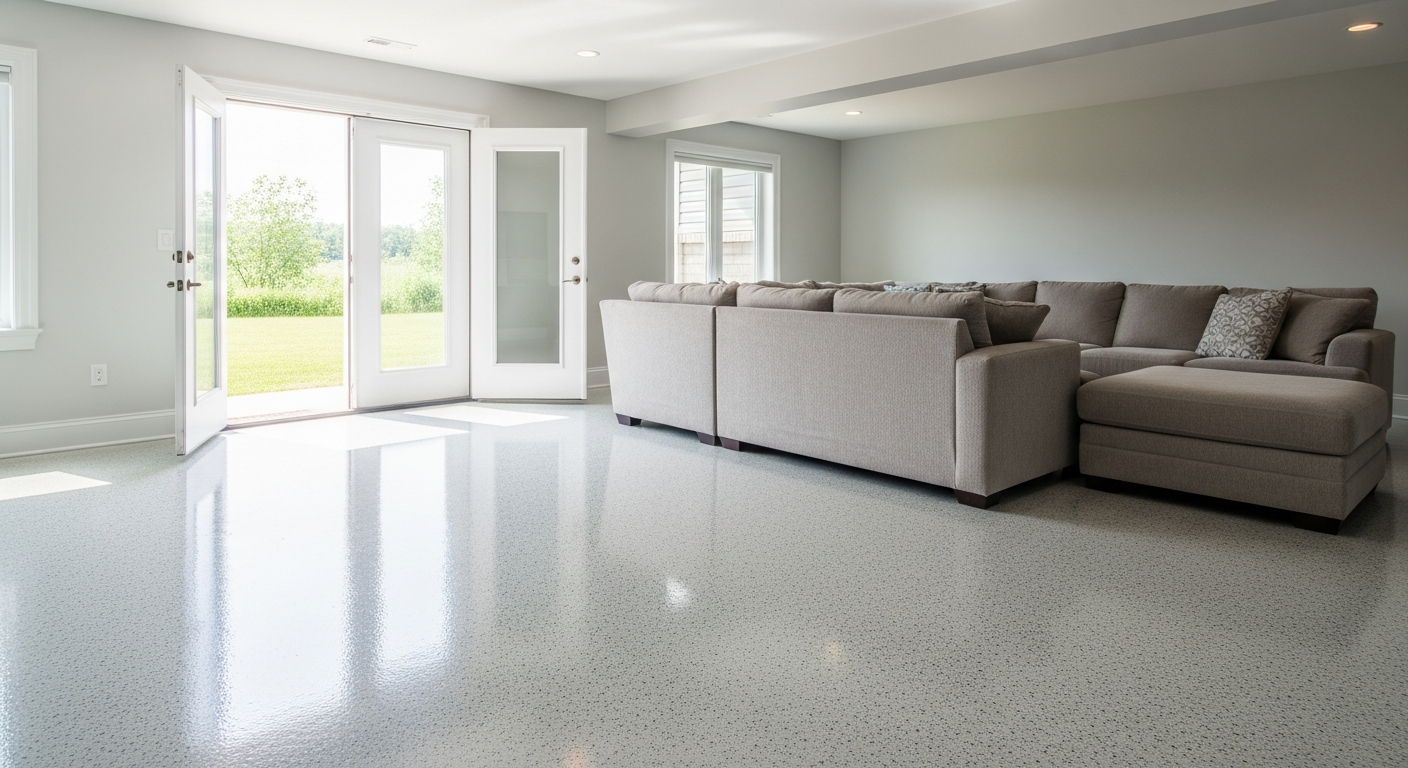
We match the system to the way the basement is used. A laundry and utility room may need a practical, easy-clean surface with a simple finish. A home gym may benefit from a textured flake floor that hides dust and scuffs better than a plain solid color. A walkout basement or rec room may need a cleaner, brighter finish that feels more like part of the home.
We are also honest about moisture. Below-grade concrete can transmit moisture vapor even when no visible water is present. If the slab shows signs of moisture, past water intrusion, hydrostatic pressure, or high vapor emissions, we may recommend testing, a moisture-tolerant primer, or a mitigation approach before coating. In some cases, active water problems need drainage, foundation, or waterproofing work before a coating should be installed.
Our work is for existing surfaces only. We coat, seal, protect, restore, and upgrade concrete that is already there. If the basement slab needs structural correction, replacement, or major waterproofing work before a floor finish is appropriate, we will not pretend a coating is a substitute for that work.
Benefits of a Basement Floor Coating
A Cleaner, More Finished Basement Surface
Better Moisture Tolerance Than Carpet or Laminate
Less Dust From Bare Concrete
Brighter Rooms With Easier Cleaning
Practical Durability for Gyms, Laundry, Storage, and Walkouts
Year-Round Indoor Installation
Coatings vs. Carpet, Laminate, and Tile Below Grade
Carpet can make a basement feel warm at first, but it is not always forgiving below grade. Carpet and pad can absorb moisture, hold odors, collect dust, and become difficult to fully dry after a leak or seepage event. In basements used for storage, laundry, pets, or walkout access, carpet often becomes a maintenance problem.
Laminate and some floating floors can look good initially, but they rely on seams, underlayment, and material stability. When below-grade moisture is present, edges can swell, joints can separate, and moisture can become trapped beneath the flooring. Even products marketed for basements still need the slab conditions to be right.
Tile can be durable, but it is not always the most practical answer. It can feel cold, grout can discolor, and slab cracks can telegraph through if movement is present. Tile may make sense in some finished living areas, but many utility and storage spaces do not need that level of complexity.
A basement floor coating takes a different approach. It upgrades the existing concrete surface rather than covering it with layers that may hide moisture problems. It can be easier to clean than carpet, less moisture-sensitive than laminate, and simpler to maintain than grout-heavy tile.
That does not mean coatings are right for every basement. If the slab has active water intrusion, hydrostatic pressure, severe cracking, or a known drainage issue, those conditions need to be addressed first. A responsible coating recommendation starts with the condition of the concrete, not the flooring trend of the moment.
| Feature | Coating | Carpet | Laminate | Tile |
|---|---|---|---|---|
| Moisture Tolerance | High (Sealed) | Poor (Absorbs) | Poor (Swells) | High (Grout stains) |
| Cleanability | Wipe-clean | Holds dust/odors | Surface only | Grout maintenance |
| Durability | Decades | Replaced often | Scratches/chips | Cracks with slab |
Our Basement Floor Coating Process
We start with a basement-specific floor review.
We look at the existing concrete, room use, moisture history, cracks, old coatings, adhesives, surface contamination, and signs of water intrusion. Below-grade slabs need a different level of caution than many above-grade interior floors.
We discuss how the space will be used.
A home gym, laundry room, walkout basement, storage area, and finished rec room each have different needs. We use that information to recommend a solid color, flake system, or other coating approach that fits the room.
We evaluate moisture risk honestly.
If the slab has signs of moisture vapor, dampness, previous water problems, or coating failure, we may recommend testing, a moisture-tolerant primer, or a mitigation approach before coating. If there is active water intrusion, the source should be corrected before a coating is installed.
We prepare the concrete mechanically.
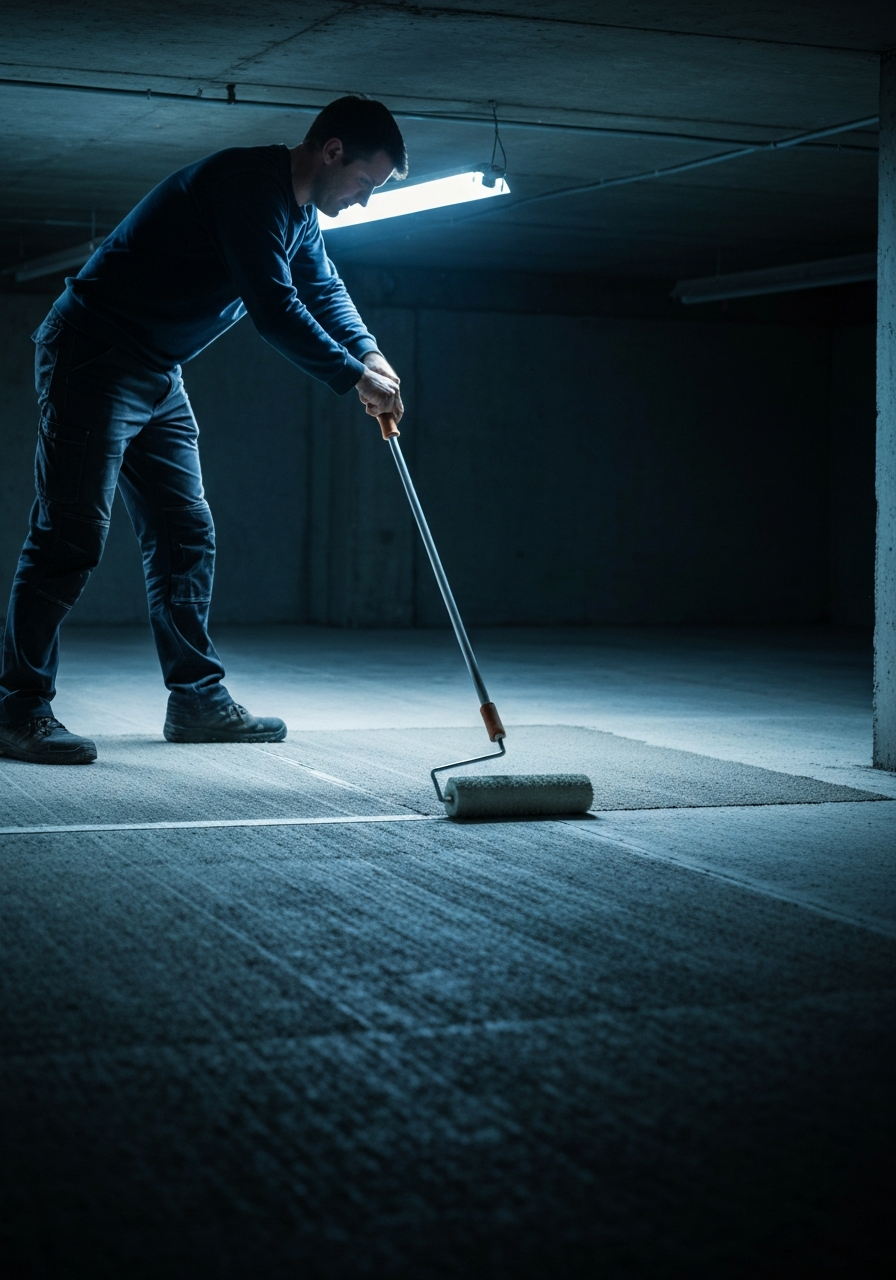
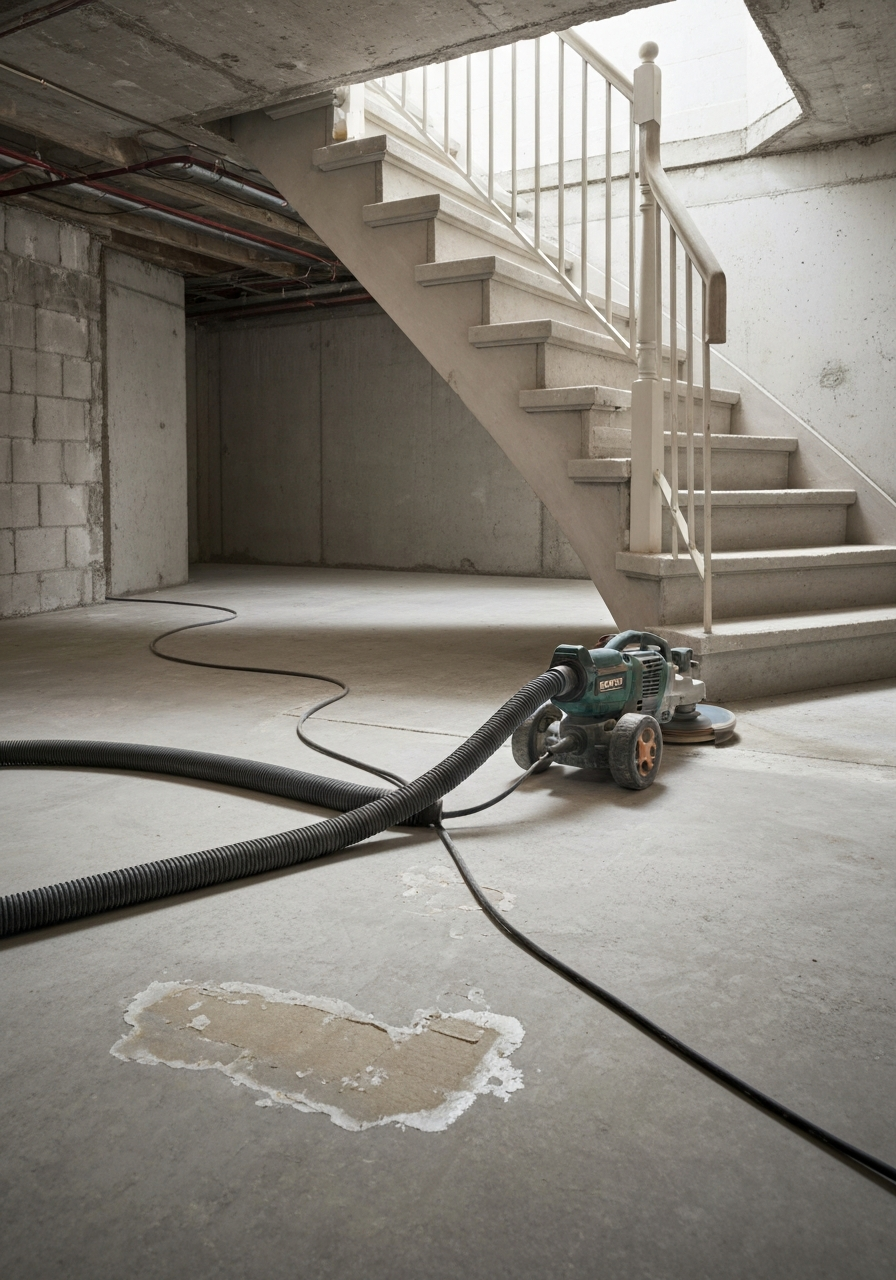
Proper bonding starts with surface preparation. Depending on the existing surface, preparation may include grinding, profiling, and removing weak coatings, paint, adhesive residue, or surface contamination.
We repair minor cracks and surface defects where appropriate.
Small cracks, pits, and divots can often be addressed during preparation. Larger movement, structural cracking, or slab instability must be evaluated carefully because a coating is not a structural repair.
We install the selected coating system.
For utility rooms, a solid-color system may be the right choice. For gyms, laundry rooms, storage areas, and rec rooms, a flake system often provides better visual forgiveness, texture, and a more finished look.
We finish with guidance for cure, use, and maintenance.
We explain when the floor can handle foot traffic, when heavier items can be moved back, and how to clean the surface. Basement projects often involve storage, appliances, and furniture, so planning the return-to-use sequence matters.
Related Services
Metallic Epoxy Floors
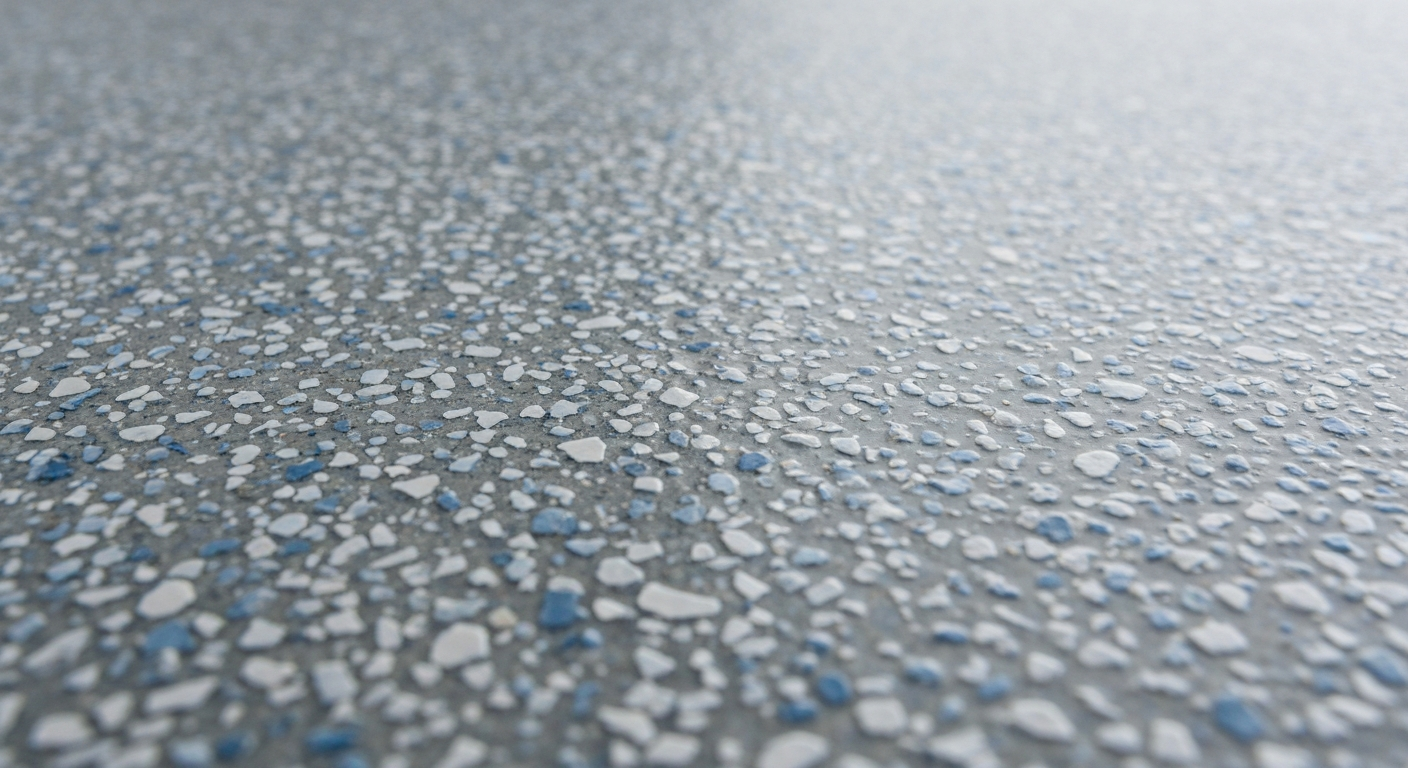
If you want the basement floor to become a visual feature, metallic epoxy may be the better page to review. Metallic systems are designed for a more decorative, custom look in finished interiors, while this basement page focuses on practical finished-living-space performance.
Learn more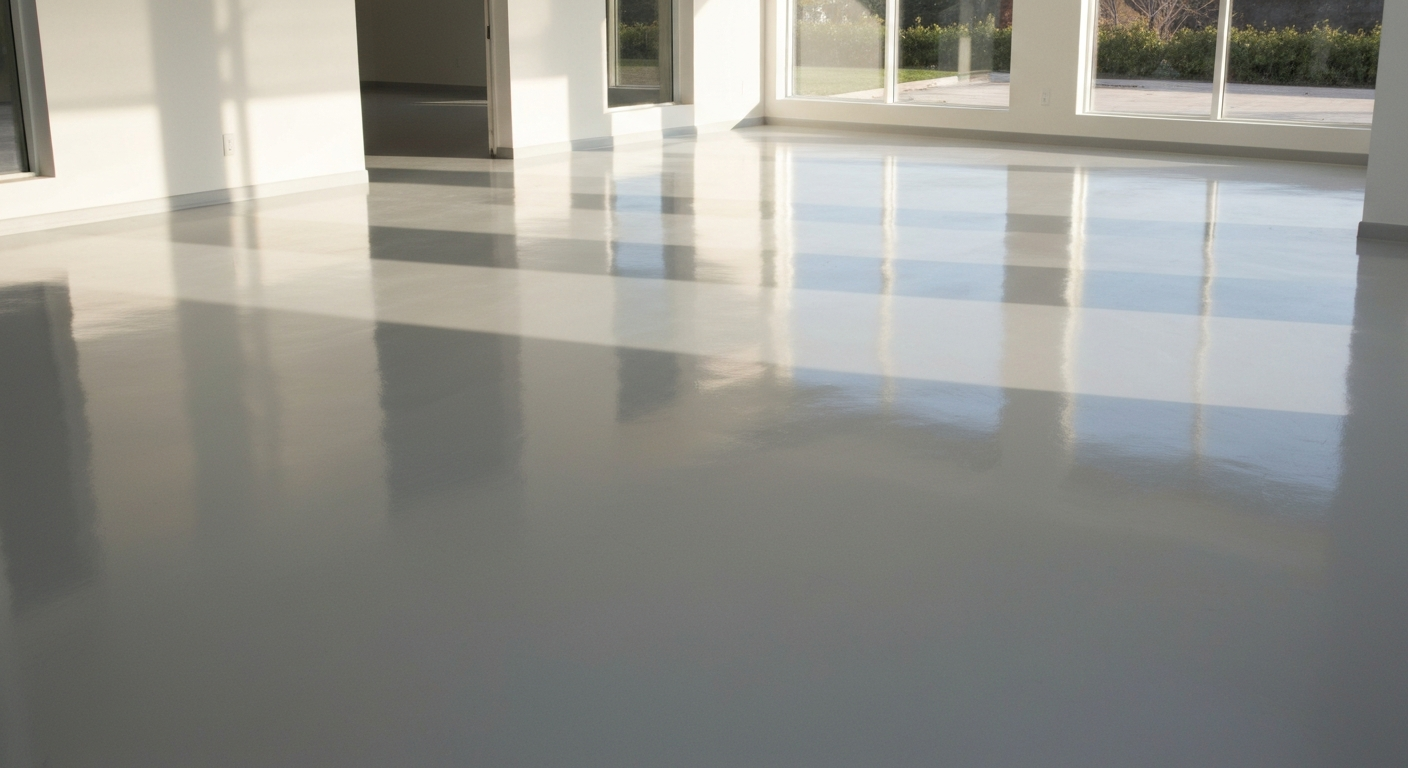
Flake Epoxy Systems
Flake systems are often a strong fit for basement gyms, laundry rooms, storage spaces, walkouts, and utility areas because they create a clean finished look while hiding dust, scuffs, and normal variation better than a plain surface. They can also add texture underfoot when selected properly.
Learn more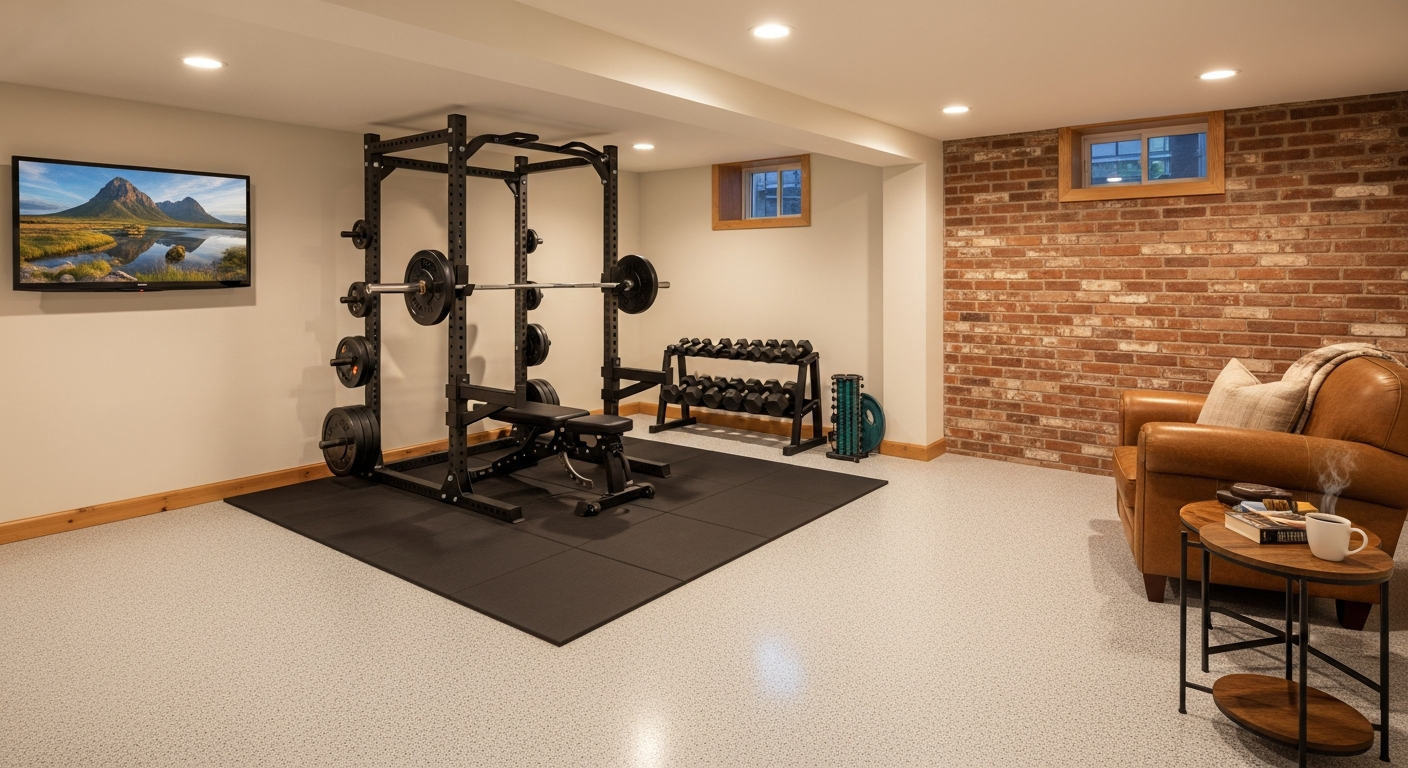
Polyaspartic Floor Coatings
Polyaspartic floor coatings can be useful where durability, fast return to use, and a clean professional finish are priorities. In basement settings, product selection still needs to account for slab moisture, surface condition, and room use.
Learn moreBasement coatings are part of our broader concrete surface protection work for existing concrete. Streamline Solutions helps property owners choose coating and sealing options that fit the surface, exposure, and use case. Visit the main category at Concrete Coating Services.
Professional Basement System vs. DIY Paint
DIY basement floor paint can be tempting because it appears inexpensive and simple. The problem is that paint often depends on minimal surface preparation and may not bond well to dense, dusty, damp, or previously coated concrete. In below-grade spaces, moisture vapor can make weak coatings peel, blister, or wear quickly.
A professional basement system starts with the slab. Surface preparation, moisture awareness, primer selection, coating thickness, and use-case planning all matter. The goal is not just to change the color of the concrete; it is to create a more durable, cleanable, practical surface for the way the basement is actually used.
DIY paint may be acceptable for a temporary cosmetic refresh in a low-use storage area. It is usually not the right comparison for a finished basement, home gym, laundry space, or walkout area where durability and moisture tolerance matter. A professional system costs more because the preparation and product selection are more involved.
The most important difference is the recommendation before the work begins. If the basement has active water problems, a professional should not simply roll coating over the issue. Streamline Solutions will tell you when the slab needs testing, mitigation, or another correction before a coating makes sense.
| Feature | Professional Basement System | DIY Paint |
|---|---|---|
| Approach | Slab-first evaluation | Color-first paint |
| Preparation | Mechanical prep + adhesive removal | Minimal prep |
| Moisture Handling | Moisture awareness + primer selection | Ignored vapor |
| Thickness | Real coating build | Thin paint film |
| Honesty | Honest pre-work recommendation | Roll-over-the-problem |
Where We Serve
Streamline Solutions serves homeowners and property owners throughout Kalispell and the Flathead Valley. We also serve areas across Flathead County, Flathead Valley, and Northwest Montana. Missoula is considered for commercial projects only. Because basement coatings are indoor projects, they can often be scheduled outside the main exterior season. Winter, spring, and fall can all be practical times to improve a basement floor, as long as the slab, access, ventilation, and indoor conditions are suitable.
Basement Floor Coating Cost in Kalispell
Most professional basement floor coating projects in the Kalispell and Flathead Valley area commonly fall around $5 to $10 per square foot for suitable existing concrete. Some projects may land outside that range depending on size, preparation needs, moisture concerns, repairs, coating type, access, and whether old flooring materials or adhesives must be removed.
A simple utility room with sound concrete and basic preparation may be toward the lower end of the range. A larger finished basement, walkout space, or home gym with crack repair, old paint, adhesive removal, moisture-tolerant primer, or a decorative flake system may cost more.
The main cost drivers include square footage, surface condition, moisture testing or primer needs, crack and defect repair, old coating or adhesive removal, chosen system, and how much furniture, storage, or equipment must be worked around. Basement access also matters because stairs, tight turns, and occupied living spaces can affect setup and logistics.
For a practical phone quote, call 406-909-4342. Approximate square footage, photos, the age of the home, and any known moisture history can help us give a more useful starting range.
Pros & Cons of Basement Floor Coatings
Pros
A basement floor coating can make below-grade concrete cleaner, brighter, and more usable without adding carpet pad, wood-based flooring, or other moisture-sensitive layers.
It is especially practical for laundry rooms, utility spaces, storage areas, home gyms, walkouts, and rec rooms.
Coatings can reduce concrete dust, improve cleanability, and create a more finished appearance.
They can also be installed indoors during times of year when exterior concrete work may be limited by weather.
Cons
A basement floor coating is not a waterproofing system. It cannot fix active leaks, foundation drainage problems, hydrostatic pressure, or structural slab movement.
Below-grade moisture must be taken seriously. Some slabs need testing, moisture-tolerant primers, mitigation, or water-source correction before coating is appropriate.
Coatings also feel harder underfoot than carpet, so rugs or mats may still be preferred in lounge areas or under gym equipment.
Best For vs. Not Recommended For
Best For
Basement floor coatings are best for existing concrete slabs in rec rooms, walkout basements, laundry rooms, utility rooms, home gyms, storage spaces, workshops, and semi-finished living areas. They are a strong fit when homeowners want a clean, practical surface that is easier to maintain than bare concrete and less moisture-sensitive than carpet or laminate. They also work well when the basement is used for real-life traffic: pets, kids, gear, laundry, exercise equipment, shelving, and seasonal storage. A flake or solid-color system can make these spaces feel more finished without making them fragile.
Not Recommended For
A basement coating is not recommended when there is active water intrusion, recurring flooding, severe hydrostatic pressure, major slab movement, or unresolved drainage problems. Those issues need to be addressed before a coating should be considered. It may also be the wrong choice if you want a soft, warm floor throughout a lounge or bedroom area without using rugs or mats. Coatings are practical and cleanable, but they do not feel like carpet underfoot.
Streamline Solutions Recommendation
"For many Kalispell basements, a practical coating system is one of the cleanest ways to turn a cold, dusty slab into a usable finished surface. Solid-color systems make sense for utility areas, while flake systems are often the better fit for gyms, laundry rooms, walkouts, storage spaces, and rec rooms that need durability and visual forgiveness. The deciding factor is moisture. If the slab is suitable, a basement floor coating can be a smart upgrade. If the slab shows active water problems, those need to be handled before any finish is installed."
— Kalispell Concrete Surface Protection Specialists