
Concrete Pressure Washing in Kalispell & the Flathead Valley
Remove winter film, algae, moss, oil marks, rust staining, and tracked-in road grime from existing concrete surfaces.
Surface Types
Driveways, patios, walkways
Service Area
12 towns + Flathead Valley
Single Visit
Typical project flow
Controlled Pressure
Surface cleaner approach
THE PROBLEM
Why Concrete Gets Dirty So Fast in the Flathead Valley
Concrete looks tough, but it is porous. Once water, grime, organic growth, and stains settle into the surface, a driveway or patio can start looking tired even if the slab itself is structurally sound. Around Kalispell and the Flathead Valley, the problem is usually a combination of climate, shade, vehicle traffic, and seasonal buildup.
Shaded north-side slabs are one of the most common trouble spots. They dry slowly after rain, snowmelt, irrigation overspray, or roof runoff. That moisture gives algae and moss a place to hold, especially on walkways, patios, side yards, and entry paths that do not get much direct sun. Once that green or dark film spreads, the concrete can become slick underfoot.
Driveways collect a different kind of buildup. Winter brings road salt, sand, deicer residue, snowmelt grime, and the gray film that gets tracked from roads and parking areas onto the slab. By spring, the driveway may look darker, streaked, or uneven even after normal rain. Pressure washing removes the embedded layer that a garden hose cannot touch.
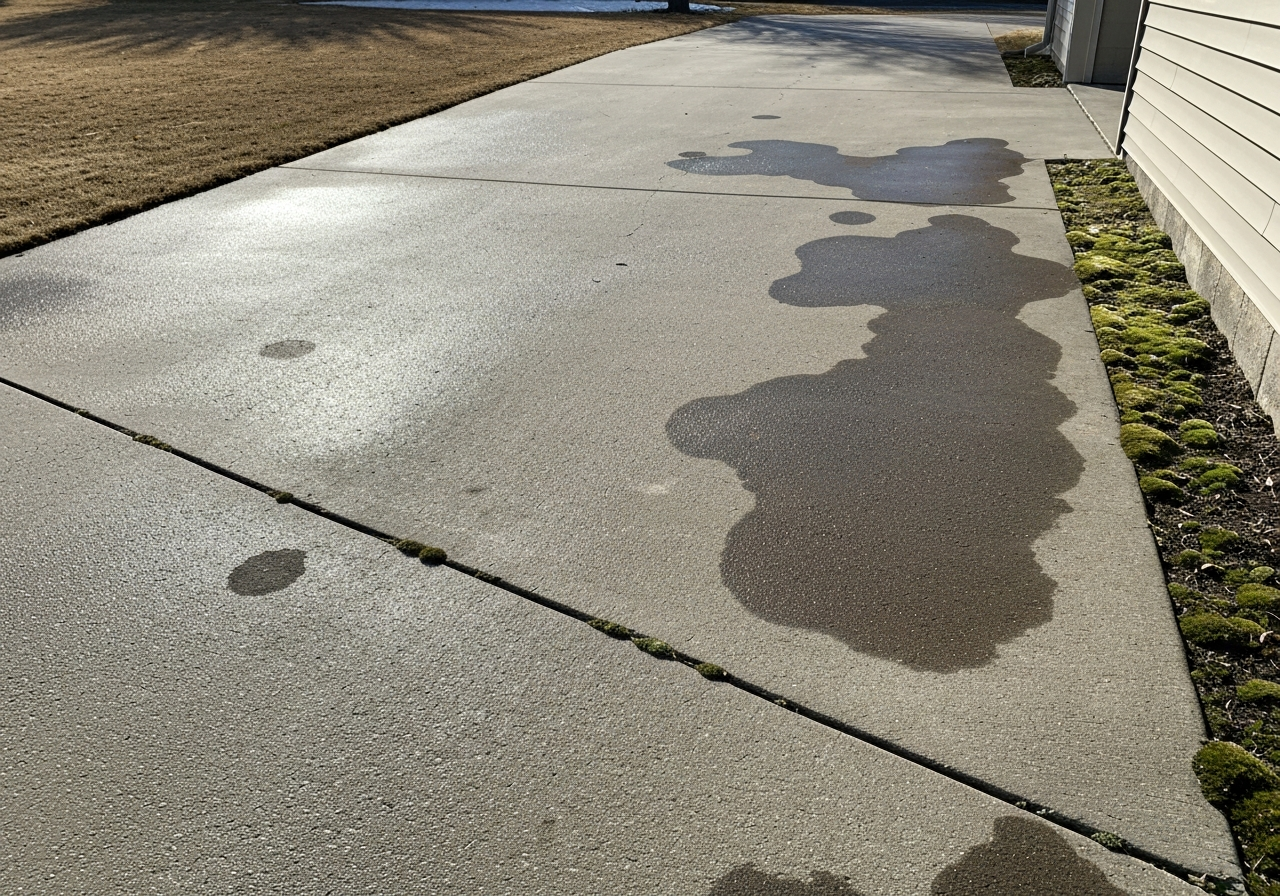
Oil and rust stains are another issue. Oil spots from vehicles, equipment, trailers, or garage use can darken the surface and keep spreading if left alone. Rust from metal furniture, tools, sprinkler overspray, or stored equipment can leave orange-brown stains that stand out sharply against light concrete. These areas often need targeted treatment, not just more pressure.
Mossy walkways and entry slabs create a safety concern. A walkway does not have to be cracked or broken to become hazardous. A thin organic layer can become slick after rain, frost, or snowmelt. Cleaning restores grip and makes the route to the home, garage, shop, or patio feel more stable.
A dull slab is not always a failed slab. In many cases, the concrete simply needs a proper wash. When the right pressure, equipment, and cleaning process are used, the surface can look brighter, cleaner, and more even without replacing it.
WHAT WE DO
What Streamline Solutions Does for Concrete Cleaning
Concrete pressure washing is part of the broader pressure washing service lane at Streamline Solutions. The work focuses on existing concrete surfaces that need cleaning, stain treatment, surface prep, and restoration before the next season or before a protective finish is applied.
The process starts with the surface itself. Concrete can handle more pressure than softer materials, but that does not mean maximum pressure is the right answer. Too much force, the wrong tip, or inconsistent passes can leave wand marks, etched lines, or uneven striping. Streamline Solutions uses a controlled approach that matches the slab condition, age, finish, and contamination level.
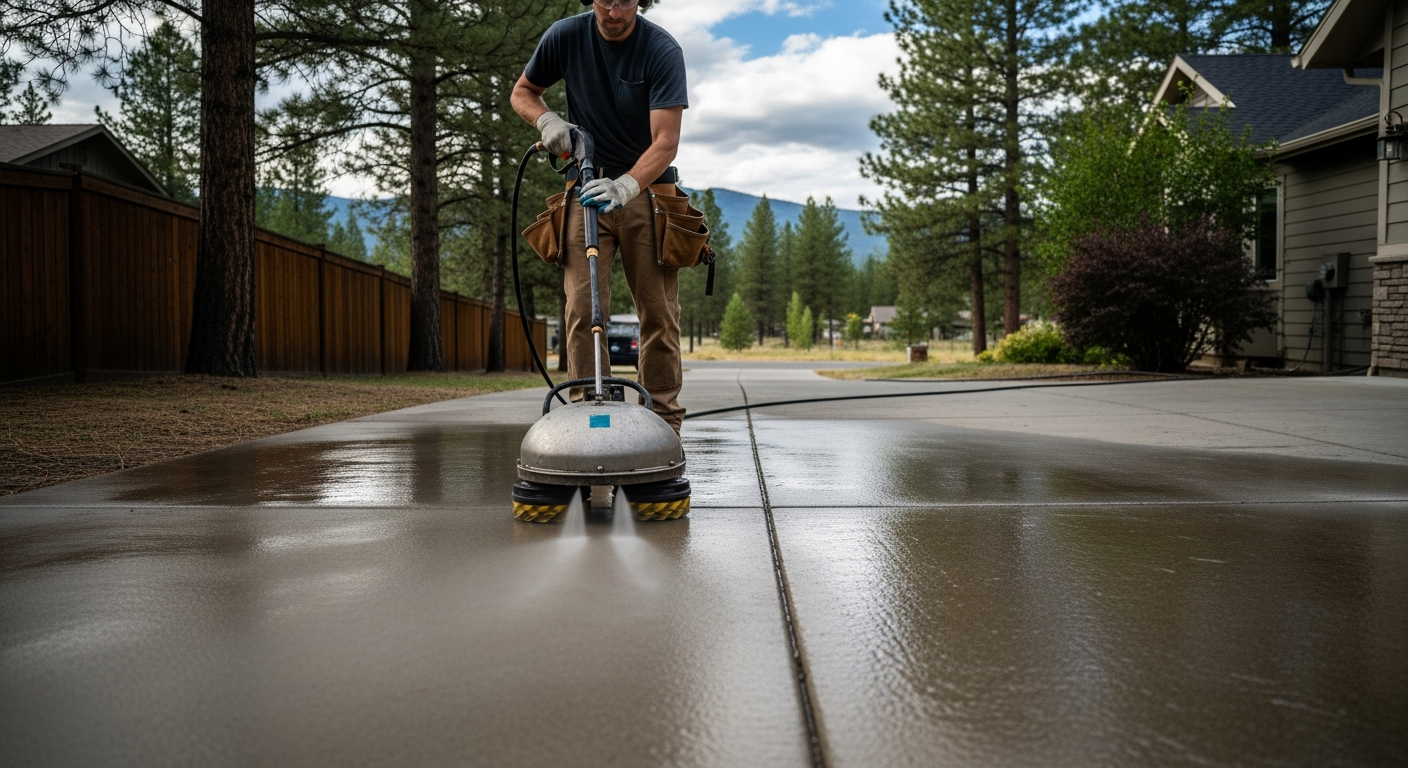
For larger areas like driveways, patios, garage aprons, and RV pads, surface-cleaner attachments may be used to create a more even result. A surface cleaner distributes water across a rotating cleaning path, which helps reduce streaking and makes the final surface look more consistent. Edges, corners, steps, expansion joints, and tight areas are then addressed with detail work.
Organic growth is handled differently from road grime. Algae and moss often need pre-treatment so the growth releases from the concrete instead of being smeared or partially removed. Oil stains may need degreasing and dwell time. Rust staining may need a targeted approach based on severity and source. The goal is to treat the actual stain type instead of relying on pressure alone.
After treatment and washing, the surface is rinsed thoroughly. In practical terms, that means moving loosened grime away from the slab instead of leaving dirty water to dry back into the pores. When cleaning products are used, the surface is rinsed and handled appropriately so the slab is left ready for use or ready for the next stage.
Many concrete washing projects are also surface prep projects. If a driveway, patio, garage floor, walkway, or pool deck is going to be sealed, coated, or otherwise protected, washing is the step that makes that work possible. Clean concrete gives the next product a better chance of performing as intended.
For properties with both concrete and pavers, Streamline Solutions can also guide the handoff between washing, concrete sealing, and paver sealing. A clean surface is only part of long-term maintenance. Sealing helps reduce future staining, slows water intrusion, improves cleanability, and protects the investment in the surface.
BENEFITS
Benefits of Professional Concrete Pressure Washing
A driveway or patio that looks new again
A clean driveway changes the entire first impression of a property. When winter film, tire marks, algae, and surface grime are removed, the concrete often looks years newer. Patios feel more usable, entryways look sharper, and outdoor spaces feel maintained instead of neglected.
Safer, less slippery walkways
Organic growth can make concrete slippery, especially in shaded areas and during shoulder seasons. Washing removes moss, algae, and slick surface film so walkways, steps, and entry paths are easier to use. This matters around homes, rentals, commercial entries, lakeshore properties, and any place where people are walking in wet or icy conditions.
Surfaces ready for sealing or coating
Concrete should be clean before it is sealed or coated. Dirt, oil, moss, and old residue can block adhesion and shorten the life of the finish. A proper wash is often the first step before concrete sealing because it gives the sealer a cleaner, more consistent surface to bond with.
Curb appeal restored without replacing the surface
Not every stained or weathered slab needs major work. Many existing concrete surfaces look worn because the top layer is dirty, not because the slab is beyond use. Professional washing can restore curb appeal without the cost, disruption, or mess of replacement.
Better inspection before restoration
Once the surface is clean, it is easier to see what is actually happening. Stains, cracks, joints, spalling, low spots, and drainage patterns become more visible. That helps determine whether simple washing is enough or whether sealing, coating, or additional restoration should be considered.
FLATHEAD VALLEY FOCUS
Local Conditions That Change the Cleaning Approach
Concrete in the Flathead Valley does not age the same way as concrete in a dry, mild climate. Montana winters bring freeze-thaw cycles, snow storage, road treatments, and long periods where surfaces stay wet or dirty. Spring exposes what winter left behind: gray film, tire shadowing, leaf tannins, salt residue, and organic staining.
Lake and mountain properties can add another layer. Around shaded timber, lakeshore homes, and properties near Whitefish Lake or other moisture-heavy areas, concrete often stays damp longer. Patios under trees can collect needles, leaves, pollen, sap, and organic debris. Walkways near irrigation or downspouts can grow algae faster than the driveway out front.
Driveways in open areas face a different issue. They may get more sun, but they also take the most abuse from vehicles, trailers, plows, snow blowers, and winter parking. Garage floors and aprons often show oil, rust, tire marks, and slush residue that collect near the door. A good wash has to account for all of those zones, not treat the slab as one uniform surface.
Concrete Surface: Before vs. After Washing
PROCESS
The Concrete Pressure Washing Process
The surface is walked and assessed before washing begins. The slab is reviewed for staining, moss, algae, drainage patterns, cracks, spalling, joints, nearby landscaping, and areas where water needs to be controlled. This step helps determine the safest cleaning method and whether the surface is mainly dirty, stained, or in need of additional restoration.
Stains and organic growth are identified before treatment. Oil, rust, algae, moss, leaf staining, tire marks, and winter grime respond differently. A stain that needs degreaser should not be handled the same way as moss growth on a shaded walkway. Matching the treatment to the problem improves the final result.
Pre-treatment is applied where needed. Moss, algae, oil spots, and certain stains may need a cleaning solution or targeted treatment before pressure is applied. This allows contamination to loosen from the concrete rather than being forced deeper or spread across the surface.
Dwell time is allowed when appropriate. Some treatments need time to work. Rushing this step can leave staining behind or require unnecessary pressure later. Controlled dwell time helps the cleaning process do more of the work before the surface is washed.
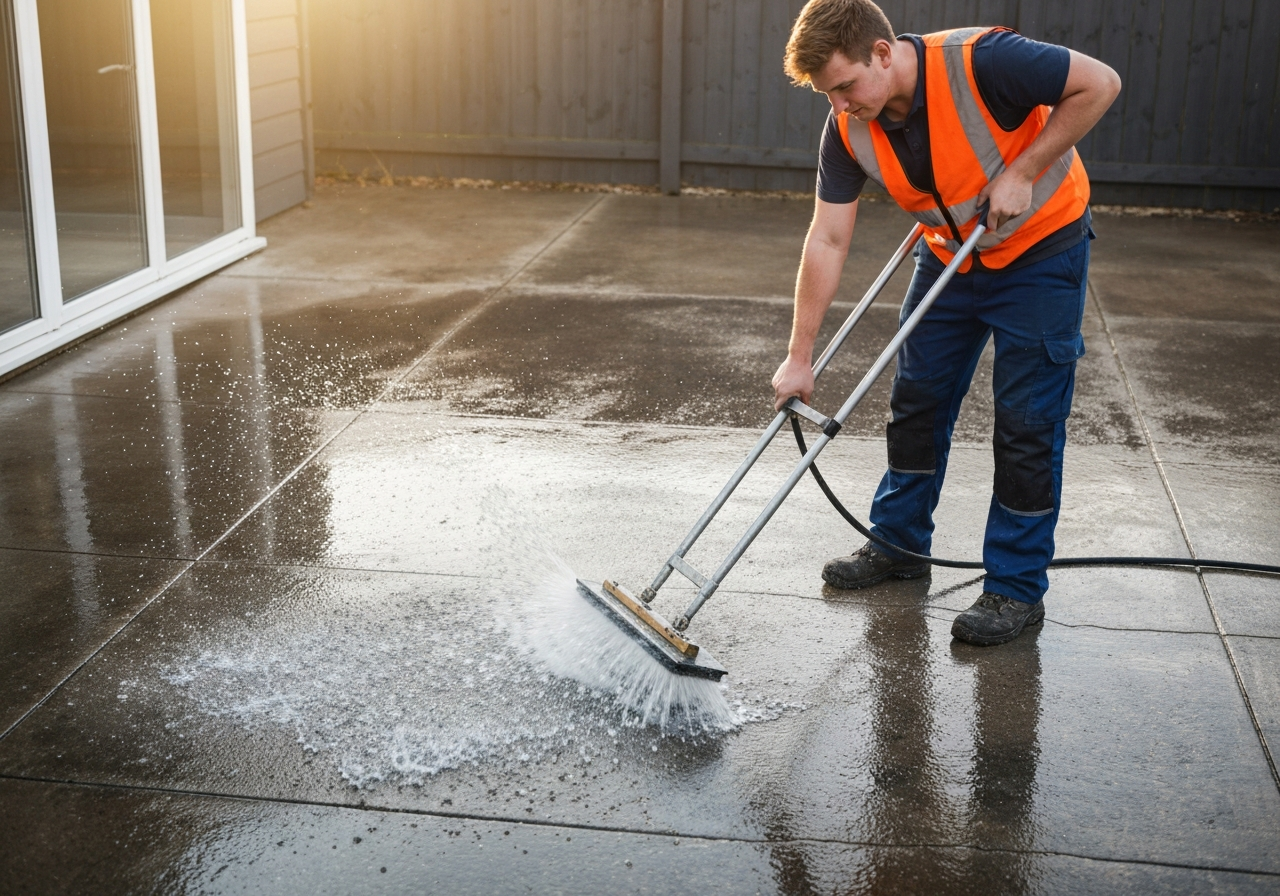
The concrete is washed with even passes and the right equipment. Driveways, patios, pool decks, and larger slabs are often cleaned with a surface-cleaner attachment for consistent results. Edges, corners, steps, tight areas, and joint lines are detailed separately so the whole surface looks clean, not just the open middle.
Pressure is controlled to protect the concrete. More pressure is not always better. The right pressure removes grime without etching the surface or leaving marks. Older, softer, previously damaged, or heavily weathered concrete may require a more careful approach.
Stubborn stains are spot-treated after the main wash. Some oil, rust, or deep organic marks may show more clearly after the first layer of grime is removed. These areas can be re-treated and rinsed so the surface looks as even as possible.
The surface is rinsed thoroughly. Loose debris, dirty water, and cleaning residue are moved off the slab and away from areas where they could dry back onto the concrete. Proper rinsing is especially important before sealing or coating.
The final result is inspected. The cleaned area is reviewed for consistency, remaining stains, drainage issues, and areas that may need follow-up. This is also the point where the true condition of the concrete becomes easier to see.
Sealing is recommended when it makes sense. Not every surface needs sealing immediately, but many driveways, patios, and walkways benefit from protection after washing. If the concrete is exposed to snowmelt, road grime, oil, moisture, or heavy use, sealing can help keep it cleaner longer.
Where Concrete Pressure Washing Works Best
Driveways
Driveways are the most common concrete washing project because they collect the most visible grime. Tire marks, oil spots, rust, deicer residue, slush, and road film build up over time. A proper wash can brighten the driveway and make the front of the property look maintained again.
Patios
Patios often collect pollen, leaves, food spills, moss, algae, furniture marks, and irrigation overspray. Cleaning restores a more usable outdoor surface and removes the dull layer that makes the patio look older than it is. This is especially helpful before summer use, gatherings, or sealing.
Walkways
Walkways need traction as much as appearance. Shaded paths, side-yard slabs, and entry walks can become slick when moss and algae take hold. Washing improves both safety and curb appeal.
Pool decks
Pool decks need careful cleaning because people walk on them barefoot and water exposure is constant. The goal is to remove organic growth, grime, and staining without damaging the surface texture. A clean pool deck feels better, looks brighter, and is easier to maintain.
Garage floors
Garage floors collect oil, rust, dirt, salt residue, tire marks, and winter slush. Washing can remove a significant amount of buildup and prepare the floor for coating or sealing when appropriate. The process depends on drainage, water access, and the type of contamination present.
Steps and entryways
Steps and entry slabs are high-use areas that should stay clean and stable underfoot. Moss, algae, snowmelt residue, and tracked-in dirt can make these areas look neglected. Cleaning helps create a sharper, safer entry point.
RV pads and parking pads
RV pads, trailer parking areas, and side parking slabs often collect tire staining, oil marks, rust, and runoff from stored equipment. Washing removes the surface layer and makes these utility areas look better without changing their practical function.
Capabilities & Limitations
Removes winter film, algae, oil, rust, tire marks
Improves traction on shaded walkways
Prepares surface for sealing or coating
Some deep stains may not fully disappear
Cannot fix structural cracks or spalling
Surface must dry fully before sealing
Best For
Driveways with winter grime buildup, shaded patios with algae/moss, surfaces before sealing or coating, garage floors with oil/rust.
Not Recommended For
Structurally failed slabs that need replacement.
Related Services
Surface Prep
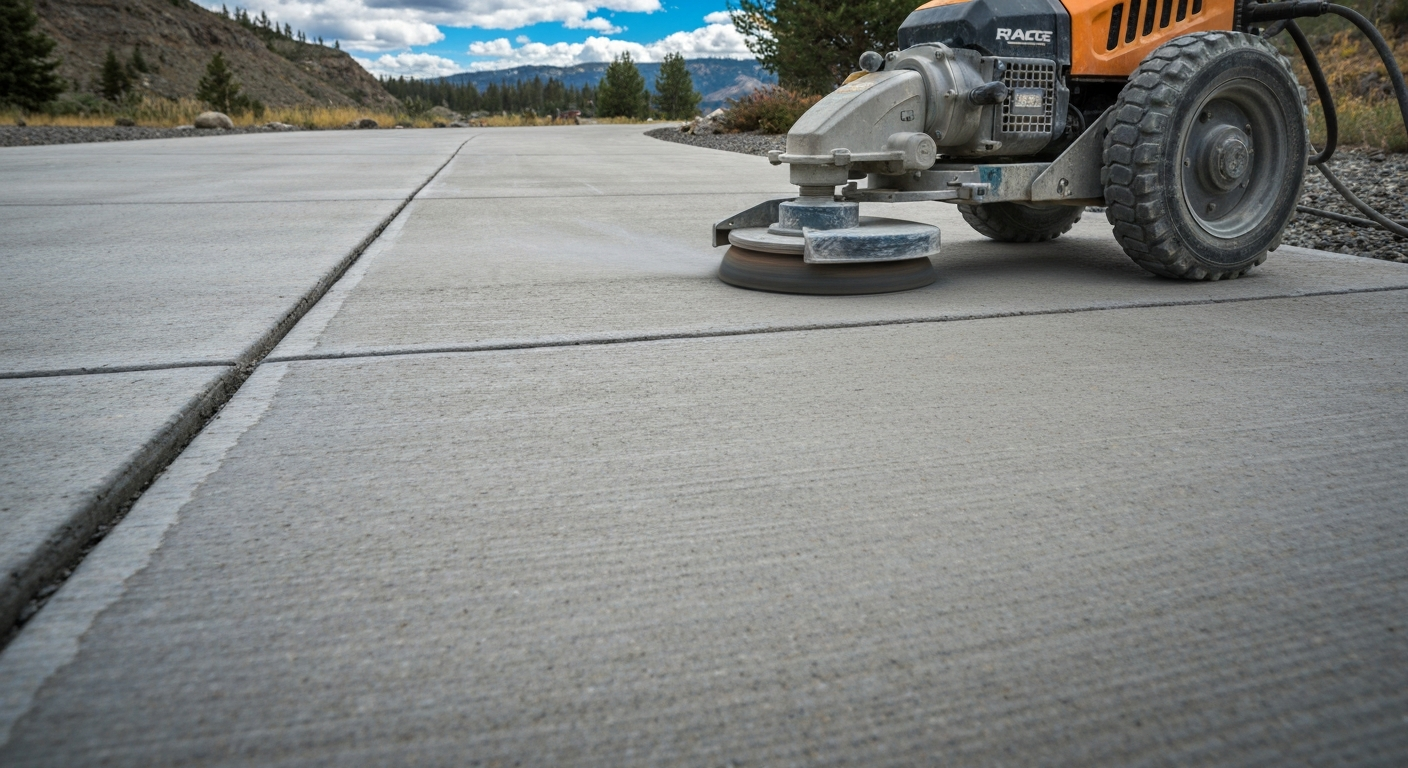
Mechanical grinding, profiling, and deep decontamination before coating or sealing existing slabs.
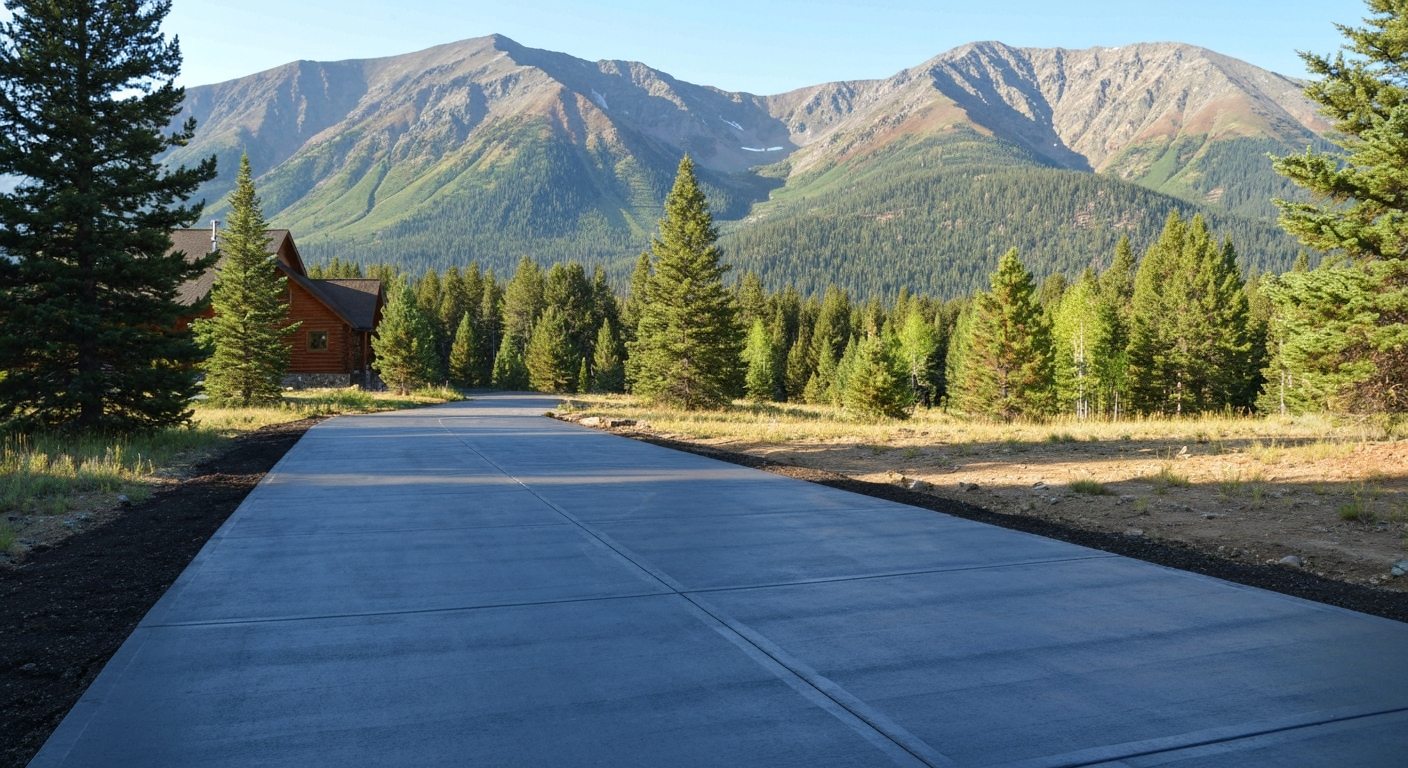
Concrete Sealing
Penetrating and topical sealers to protect clean concrete from water, salt, and freeze-thaw damage.
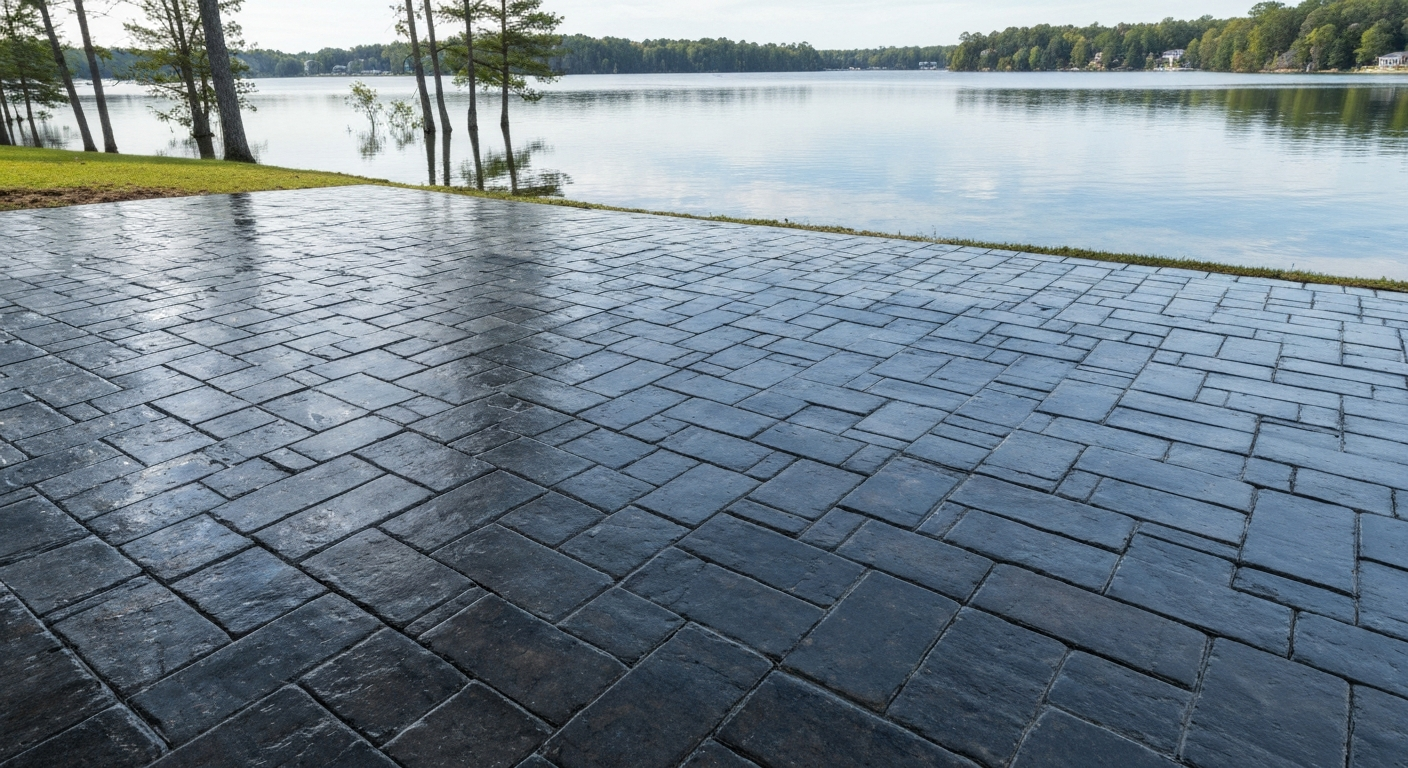
Paver Sealing
Clean, re-sand, and seal existing paver patios and walkways to stabilize joints and enhance color.
Myth vs. Reality
Myth
More pressure is always better.
Reality
Too much pressure can etch concrete, leave lines, or damage weakened areas. The correct approach uses enough pressure to clean the surface while protecting the finish. Equipment, technique, pre-treatment, and consistent passes matter more than force alone.
Myth
A clean driveway will stay clean on its own.
Reality
Washing removes existing grime, but the surface is still exposed to snowmelt, road film, oil, moisture, and tire traffic. Sealing is what helps reduce future staining and makes the concrete easier to clean. Washing is the reset; sealing is the protection step.
Myth
Pressure washing fixes every stain.
Reality
Washing can dramatically improve dirty concrete, but some stains need treatment beyond water pressure. Oil, rust, leaf tannins, and deep organic marks may require specific products and realistic expectations. The older and deeper the stain, the harder it is to remove completely.
Myth
All concrete should be washed the same way.
Reality
A newer patio, an older driveway, a garage floor, and a pool deck may all need different handling. Surface texture, age, damage, drainage, and staining change the process. A good wash is matched to the slab, not forced into a single method.
What Concrete Pressure Washing Costs
Concrete pressure washing is priced by the project, not by a one-size-fits-all flat rate. Square footage matters, but condition matters just as much. A lightly dirty patio is different from a long driveway with oil stains, rust marks, moss along the edges, and years of winter residue in the pores.
Main cost drivers:
- Size of the surface. Larger driveways, RV pads, pool decks, and garage floors take more time, water, setup, rinsing, and detail work.
- Surface condition. Concrete with heavy winter film, algae, moss, tire marks, or embedded dirt requires more preparation than a lightly weathered slab.
- Stain difficulty. Oil, rust, leaf staining, fertilizer marks, and long-term organic staining may need targeted treatment. Some stains improve significantly but may not disappear completely if they have penetrated deeply or sat for a long time.
- Access and drainage. Water access, slope, nearby landscaping, garage drainage, and where rinse water can safely go all affect the process.
- Whether sealing follows. Washing before sealing or coating may require a more detailed prep approach. The cleaning stage has to leave the surface ready for the next product, not just visually improved.
The best way to price the work is to look at the surface, understand the stain history, and confirm the desired outcome. For a quote, call (406) 909-4342 and describe the concrete area, approximate size, location, and the main issue: moss, winter grime, oil, rust, general dullness, or prep before sealing.
Service Area
Streamline Solutions provides concrete pressure washing across the Flathead Valley and Northwest Montana. This service area covers a wide range of property types, from in-town driveways and garage aprons to lakeshore patios, mountain homes, rental properties, shop floors, and rural parking pads. The cleaning approach changes based on shade, slope, drainage, staining, and how the concrete is used.
Streamline Solutions Recommendation
"For Flathead Valley properties, concrete pressure washing is one of the most practical maintenance steps before the outdoor season begins or before a surface is sealed. Driveways, patios, walkways, and garage floors usually look older because of surface contamination, winter film, and organic growth — not because they are beyond saving. Clean the concrete first, review the true condition, and then decide whether sealing is worth the added protection."
— Streamline Solutions, Kalispell, MT
Ready to Restore Your Concrete?
Streamline Solutions is built around practical surface restoration, clear recommendations, and careful work on existing exterior surfaces.
Be our first Flathead Valley review.
