Paver Sealing Cost in Kalispell & the Flathead Valley
Professional clean, re-sand, stabilize, and seal typically runs $2.25–$4.75 per square foot — here is exactly what changes the number.
3–5 Year Protection Cycle
Joint-Stabilizing Re-Sand Included
Licensed & Insured
12 Flathead Valley Towns
Why Unsealed Pavers Cost More Over Time in the Flathead Valley
Paver sealing cost in Kalispell and the Flathead Valley typically runs $2.25 to $4.75 per square foot for a professional clean, joint re-sand, stabilization, and sealer application, with simpler maintenance sealing sometimes lower and heavier restoration work costing more. Small paver patios often land around $850-$1,900, larger patios and pool decks often run $1,800-$4,750, and paver driveways commonly range from $2,750-$7,500+, depending on square footage, joint condition, moss growth, efflorescence, access, and finish choice.
National cost guides commonly place basic paver cleaning and sealing around $1-$3 per square foot, while more complete restoration systems with cleaning, re-sanding, and sealing are often higher in freeze-thaw regions where prep matters more. For Flathead Valley properties, Streamline Solutions prices paver sealing around the work required to make the finish last through Montana winters, UV exposure, road salt, snowmelt, and repeated freeze-thaw cycles.
This guide explains what homeowners should expect to pay, what a real quote should include, and why the cheapest "spray-and-go" paver sealing price is rarely the best long-term value. For the full service overview, visit our main paver sealing page.
Pavers look durable because they are durable, but the surface system still needs protection. In the Flathead Valley, paver patios, walkways, pool decks, and paver driveways deal with a tough combination of UV, moisture, snow, ice, road salt, pine needles, leaf staining, moss, weeds, and freeze-thaw movement. When joints open up and sand washes out, the surface can start to shift, dip, grow vegetation, or hold water in places it should drain.
Unsealed pavers also fade faster. Color loss is especially noticeable on patios and driveways that receive strong afternoon sun, snow reflection, or repeated plowing and shovel contact. Once the surface begins to dull, many homeowners assume the pavers are permanently worn out, when they may simply need deep cleaning, joint re-sanding, and the right sealer finish.
The bigger issue is what happens between the pavers. Open joints invite weeds, moss, ants, and water movement. When snowmelt enters loose joints and temperatures drop, freeze-thaw pressure can accelerate joint failure and surface movement. Polymeric sand and joint stabilization help reduce that movement when installed correctly.
Cheap paver sealing quotes usually skip the work that matters most. A low-price "spray-and-go" job may rinse the top, apply a thin coating, and leave behind contaminated joints, moss roots, efflorescence, trapped moisture, or failing sand. That can lead to blotchy finish, peeling, whitening, slippery spots, and a shorter service life. Professional paver sealing is not just about applying sealer; it is about preparing the surface so the sealer can bond, cure, and protect.
Professional Paver Sealing Cost in the Flathead Valley
For most Kalispell and Flathead Valley homes, a professional paver sealing project from Streamline Solutions is priced by square footage, surface condition, joint depth, cleaning difficulty, re-sanding requirements, sealer type, and access. As a working planning range, homeowners should expect $2.25-$4.75 per square foot for a complete clean, re-sand, stabilize, and seal process on typical residential paver surfaces.
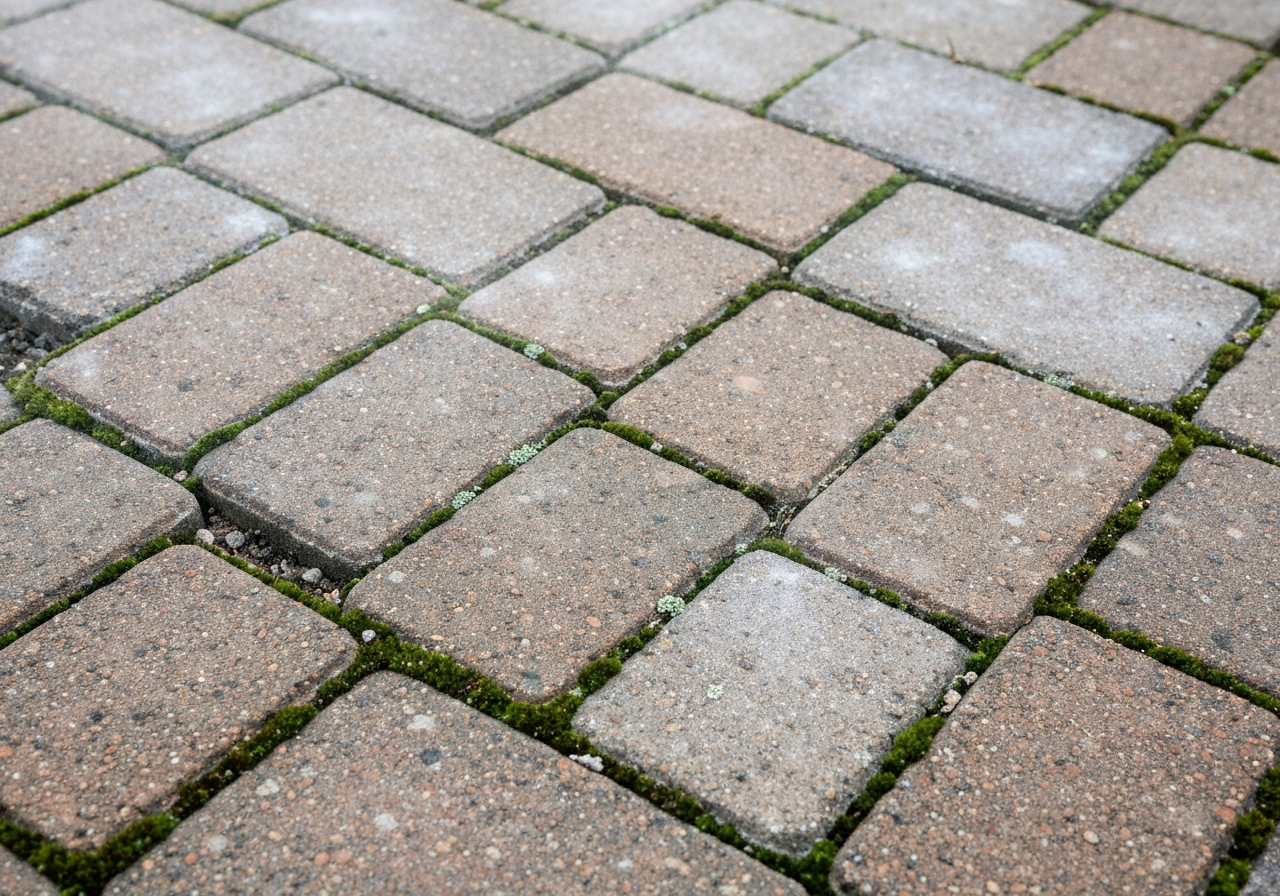
Basic maintenance sealing may be less when the pavers are already clean, joints are tight, and the surface was sealed recently. Full restoration can cost more when joints are empty, moss is heavy, efflorescence is visible, the surface needs multiple treatments, or old failed sealer must be corrected. Current third-party pricing references show broad ranges because "paver sealing" can mean anything from a simple clean-and-seal to a full restoration system.
| Job Type | Typical Size | Installed Range | What's Included |
|---|---|---|---|
| Small paver patio or entry walkway | 200-400 sq. ft. | $850-$1,900 | Deep cleaning, weed and moss treatment where needed, light joint touch-up or re-sanding, joint stabilization, and matte or wet-look sealer application. |
| Medium to large paver patio or pool deck | 500-1,000 sq. ft. | $1,500-$4,750 | Full wash, joint cleaning, spot treatment for organic growth, efflorescence treatment where needed, polymeric sand or joint sand, stabilization, and sealer application. |
| Paver driveway or large hardscape area | 900-1,600 sq. ft. | $2,750-$7,500+ | Heavy cleaning, tire-mark and salt-residue attention, joint re-sanding, stabilization, sealer application, and weather-window scheduling for proper cure. |
| Heavy restoration or neglected pavers | Varies | Quoted after inspection | Cleaning, moss and weed removal, deeper joint repair, efflorescence treatment, possible failed-sealer correction, re-sanding, and finish-specific sealing. |
A real quote should include more than "seal pavers." Streamline Solutions evaluates the surface, measures the area, checks the joints, looks for moss and weeds, identifies efflorescence or mineral deposits where present, reviews drainage and exposure, and recommends a finish. The written quote should clarify whether the job includes deep cleaning, weed and moss treatment, efflorescence treatment, re-sanding with joint sand or polymeric sand, joint stabilization, and sealer application.
Finish choice also matters. A natural matte sealer is often preferred when homeowners want subtle protection without darkening the surface too much. A wet-look sealer can enrich color and add depth, but it must be matched carefully to the paver type, moisture conditions, and desired traction. Film-forming sealers and penetrating sealers behave differently, so the right system depends on the surface and the result you want.
What Drives Paver Sealing Price?
Paver Condition
Clean, stable pavers with tight joints cost less to seal than neglected pavers with weeds, moss, staining, loose sand, or uneven areas. The more time required to clean and prepare the surface, the higher the installed price. Prep is the difference between a finish that looks good for a season and a finish that has a better chance of lasting through multiple Montana winters.
Joint Re-Sanding Needs
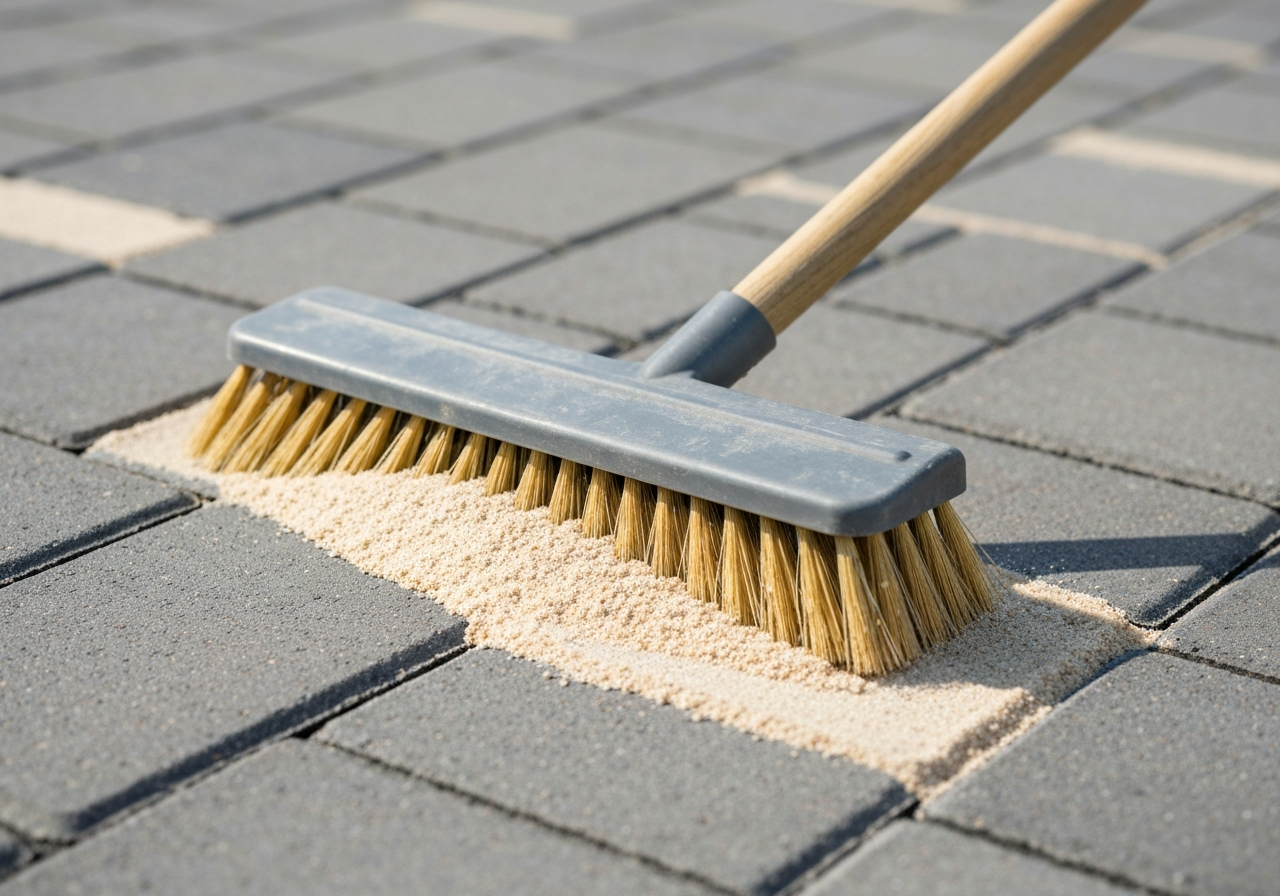
Joint condition is one of the biggest price drivers. If the joints are shallow, washed out, or full of organic material, the project may need more cleaning and new joint sand. Polymeric sand is often used because it hardens after activation and helps stabilize the paver system. Manufacturer and supplier guidance commonly describes polymeric sand as a joint-stabilizing material designed to reduce erosion, weed growth, and movement through changing weather cycles.
Efflorescence
Efflorescence is the white, chalky mineral deposit that can appear on concrete pavers. It may be mild and easy to treat, or it may require more careful cleaning before sealing. Sealing over efflorescence can trap discoloration under the finish, so it should be addressed before the final sealer application whenever possible.
Wet-Look vs. Natural Matte Finish
Wet-look sealers usually cost more than basic natural-look systems because they require tighter control over surface dryness, application rate, finish consistency, and slip resistance. They can produce a richer color, but they also reveal poor prep more easily. Matte finishes are often the better choice for homeowners who want a cleaner, protected surface without a dramatic shine.
Square Footage and Access
Larger projects usually cost more overall but may have a lower per-square-foot price than very small areas because mobilization, setup, cleaning equipment, and cure planning are spread across more square footage. Access also matters. A backyard patio with limited hose access, tight gates, stairs, or long equipment runs can take more labor than a wide-open driveway.
Weather Windows
Paver sealing depends on dry conditions and proper temperatures. In Kalispell, Whitefish, Bigfork, and the surrounding Flathead Valley, the best sealing windows are usually late spring through early fall. Sealer should not be rushed onto damp pavers, and the forecast matters because rain, overnight moisture, or fast temperature drops can affect curing.
Freeze-Thaw and Snowmelt Exposure
Montana weather is a major reason proper prep matters. Pavers exposed to plowing, shoveling, snowmelt, shaded moisture, and road salt may need more aggressive cleaning and stronger joint stabilization. A patio under trees in Bigfork may have a different cleaning profile than a sun-exposed paver driveway in Kalispell or a shaded walkway in Whitefish.
What You're Paying For
Color That Looks Locked In
Sealing can refresh the appearance of faded pavers and help slow future UV-related color loss. Wet-look sealers typically create the most dramatic color enhancement, while matte sealers keep the finish more natural. The goal is not to make old pavers look fake; it is to protect the color that is already there and bring back a cleaner, more finished look.
Joints That Stay Put
Loose joints are one of the main reasons paver surfaces start to look tired. Re-sanding and stabilizing the joints helps reduce washout, surface movement, and gaps where weeds can take root. This is especially important on paver driveways, walkways, and patios that see snowmelt and runoff.
Weeds and Moss Suppressed
Paver sealing does not make a surface maintenance-free, but it can reduce the conditions that allow weeds and moss to spread quickly. Cleaned and stabilized joints leave less loose material for seeds and organic growth. In shaded areas, the benefit is often easier maintenance rather than total prevention.
Easier Snow, Stain, and Dirt Cleanup
A properly sealed paver surface is easier to rinse, sweep, and maintain. Snowmelt, mud, leaf stains, barbecue spills, and vehicle residue are less likely to soak in as quickly. That can be valuable for pool decks, outdoor dining areas, front entries, and paver driveways.
More Years From the Hardscape
Pavers are expensive to install. Sealing protects the investment you already made by slowing deterioration, reducing joint failure, and improving the appearance of the surface. Compared with replacing a patio or driveway, routine sealing is a lower-cost maintenance step.
Streamline Solutions Paver Sealing Process
Clean
The project starts with a deep cleaning to remove dirt, surface buildup, organic growth, loose sand, and contaminants. This step may involve pressure washing as a prep partner service, especially when the pavers have not been cleaned in years. Learn more about related prep work on our pressure washing page.
Treat
We treat problem areas before sealing. That may include moss, weeds, algae, stains, efflorescence, or mineral deposits. Not every surface needs every treatment, but skipped treatment is one of the reasons budget sealing jobs fail early.
Re-Sand
Once the joints are clean and dry enough for the next step, we re-sand where needed. Depending on the surface and joint condition, this may involve joint sand or polymeric sand. The goal is to restore joint structure before the sealer goes down.
Stabilize
Joint stabilization helps the surface resist washout, weed growth, and movement. This step is especially important for paver patios, pool decks, walkways, and driveways that see freeze-thaw conditions, snowmelt, irrigation overspray, or runoff.
Seal
The final step is sealer application. We help homeowners choose between a natural matte finish and a richer wet-look finish based on surface type, appearance goals, traction needs, and exposure. The sealer is applied during the right weather window so it can cure properly.
How We Quote
Streamline Solutions provides a fixed written quote after measuring the surface and checking condition. We look at square footage, joint depth, cleaning needs, access, finish choice, drainage, and weather timing. That gives you a clear number before work begins instead of a vague estimate that changes after the project starts.
DIY Box-Store Sealer vs. Professional Paver Sealing System
| Category | DIY Box-Store Sealer | Professional System |
|---|---|---|
| Prep | Often limited to a surface rinse or light wash. | Deep cleaning, joint clearing, weed and moss treatment, and condition-specific prep. |
| Joint Work | Often skipped or lightly touched up. | Re-sanding and joint stabilization included where needed. |
| Sealer Grade | Consumer-grade products with limited finish options. | Professional-grade sealer matched to paver type, finish goal, and exposure. |
| Finish Consistency | Higher risk of streaks, whitening, uneven sheen, or trapped moisture. | Controlled application rate, surface-readiness checks, and cleaner finish consistency. |
| Lifespan | Often shorter, especially when prep is skipped. | Typically longer when the surface is cleaned, sanded, stabilized, and sealed correctly. |
| Cost Over 10 Years | Lower first cost but may require more frequent rework or correction. | Higher first cost but better value when it extends service cycles and protects the hardscape. |
DIY sealing can make sense for a very small, clean, low-risk area where appearance is not critical. It becomes risky when the pavers are dirty, damp, mossy, uneven, heavily faded, or already coated with a failing sealer. Professional paver sealing costs more because it includes the work that protects the finish and the joints, not just the product in the sprayer.
For the full service detail, visit paver sealing. For related surface protection, see concrete sealing and our sibling cost guide for concrete driveway sealing cost.
Pros and Cons
Pros
Professional paver sealing improves appearance, slows fading, stabilizes joints, suppresses weeds and moss, and makes the surface easier to maintain. It can also help protect against stains from leaves, food, vehicles, irrigation, snowmelt, and road salt. For many homeowners, the biggest benefit is that an older patio or driveway looks cleaner and more finished without replacement.
Cons
Paver sealing is weather-dependent, so scheduling can shift around rain, moisture, and temperature. Wet-look finishes require careful product selection and application because too much sheen may not be ideal for every surface. Severely damaged, sunken, or poorly installed pavers may need repair before sealing makes sense.
Best For / Not Recommended For
Best For
Paver sealing is best for patios, walkways, pool decks, outdoor kitchens, entryways, and paver driveways that are structurally sound but faded, dirty, sandy, mossy, or difficult to maintain. It is also a strong fit for homeowners who want to protect an existing hardscape before winter exposure accelerates wear. In the Flathead Valley, it is especially useful for surfaces exposed to snowmelt, road salt, shade, irrigation, and heavy seasonal use.
Not Recommended For
Paver sealing is not recommended when pavers are brand-new and still need a proper cure or settling period. Some newly installed pavers and polymeric sand systems may require a waiting period before sealing; one industry source notes that contractors may wait at least 28 days for newly installed pavers and polymeric sand to cure before sealing. It is also not recommended when the surface is wet, unstable, heavily sunken, or coated with a failing sealer that needs correction first.
Paver Sealing Myths vs. Reality
Myth 1: "Sealing always makes pavers slippery."
Reality: The right product and application method matter. Some glossy film-forming sealers can become slick if overapplied or used in the wrong setting, but many professional systems are selected with traction in mind. A matte or lower-sheen finish may be better for walkways, pool decks, and shaded areas.
Myth 2: "One coat lasts forever."
Reality: No exterior sealer lasts forever in Montana weather. UV, freeze-thaw cycles, snow shoveling, plowing, road salt, rain, and foot traffic all wear on the finish. Most surfaces should be evaluated every 3-5 years, with high-traffic or high-exposure areas checked sooner.
Myth 3: "All paver sealers are the same."
Reality: Penetrating sealers, film-forming sealers, wet-look sealers, and natural-look sealers perform differently. Some focus on water resistance, some enhance color, and some create a visible surface film. The right choice depends on the paver type, desired look, drainage, sun exposure, and traction needs.
Myth 4: "If the pavers look clean, prep is optional."
Reality: Surface appearance can be misleading. Joints may still be loose, moss roots may remain, and efflorescence may be present even after a quick rinse. Professional prep helps prevent trapped contaminants and uneven finish.
Myth 5: "Sealing fixes every paver problem."
Reality: Sealing protects and improves existing paver surfaces, but it does not rebuild a failed base or correct major settling. If pavers are sunken, heaved, or draining toward the home, repair may be needed before sealing. A good quote should tell you when sealing is enough and when the surface needs more work first.
Streamline Solutions Recommendation
For most Flathead Valley homes, Streamline Solutions recommends a full clean, joint re-sand where needed, stabilization, and sealer application rather than a quick surface-only seal. The extra prep is what helps the finish survive real Northwest Montana conditions, including freeze-thaw movement, snowmelt, UV exposure, road salt, and shaded moisture.
Choose a natural matte finish when you want subtle protection and a clean, low-sheen look. Choose a wet-look sealer when color enhancement is the priority and the surface is a good fit for that finish. Either way, the quote should be based on the actual condition of the pavers, not just a square-foot number over the phone.
— Streamline Solutions · Concrete Surface Protection Specialists, Kalispell, MT
Service Area
Streamline Solutions provides residential paver sealing and surface protection services across the Flathead Valley and Northwest Montana, including:
Residential paver sealing is focused on the towns listed above. Missoula is not included on this residential-intent page because Streamline Solutions only considers Missoula for commercial projects.
Get a Free Written Paver Sealing Quote
Streamline Solutions is licensed and insured, provides fixed written quotes, and stands behind the workmanship of the prep and sealing process. The goal is straightforward: give homeowners clear pricing, honest recommendations, and a paver surface that is cleaner, better protected, and easier to maintain.
Call (406) 909-4342 or request a quote for paver sealing in Kalispell, Whitefish, Bigfork, Columbia Falls, Somers, Lakeside, Polson, Ronan, Eureka, and the surrounding Flathead Valley. A written quote includes measurement, condition review, prep recommendations, finish options, and a clear project total before work begins.
Licensed & Insured
Written Quotes
Existing-Surfaces Specialists
Be our first Flathead Valley review