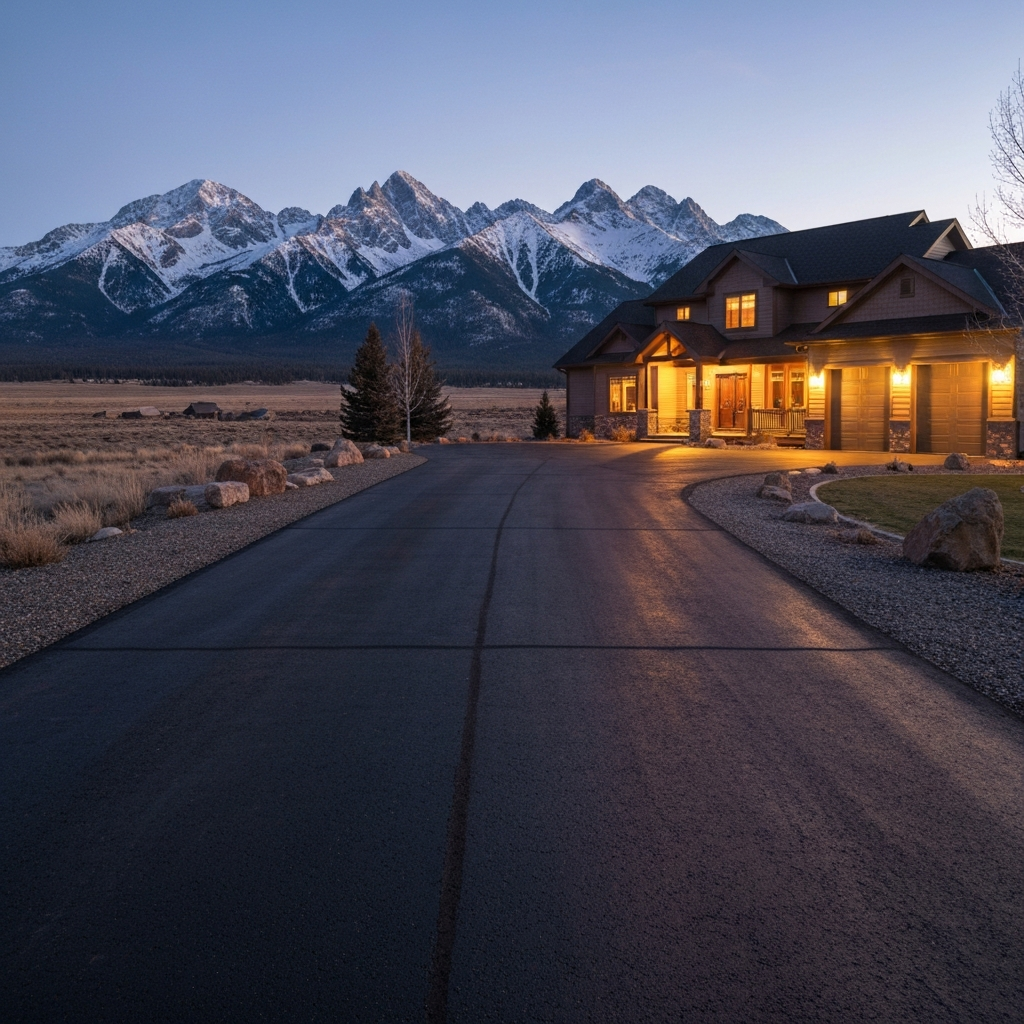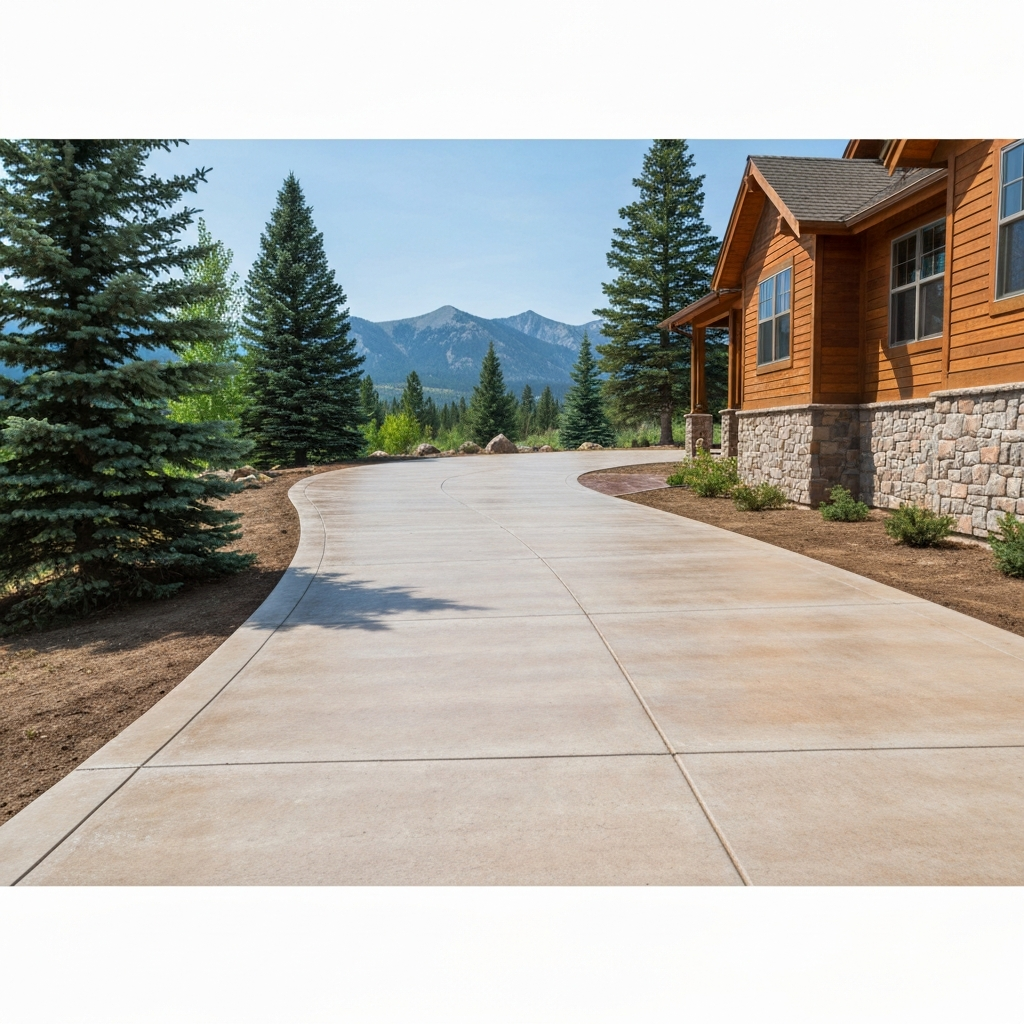
Concrete Driveway Sealing Cost in Kalispell & the Flathead Valley
Professional driveway sealing typically runs $1.25–$3.50 per square foot installed — protection priced before Montana winter does the damage.
Concrete driveway sealing cost in Kalispell and the Flathead Valley typically runs $1.25 to $3.50 per square foot installed for professional cleaning, prep, and sealer application on an existing concrete driveway. Most standard residential driveway sealing projects land between $650 and $2,800, depending on square footage, slab condition, crack repair, prior sealer removal, and whether the best fit is a penetrating silane/siloxane sealer or a film-forming acrylic finish.
Streamline Solutions protects existing concrete driveways from Montana winters, freeze-thaw damage, snowmelt saturation, road salt, deicer, and UV exposure. We do not pour, replace, or install new concrete driveways. We also do not provide asphalt sealcoating, which is a different trade with different materials, equipment, and surface requirements.
For homeowners in Kalispell, Whitefish, Columbia Falls, Evergreen, Bigfork, Somers, Lakeside, Kila, Marion, Polson, Ronan, and Eureka, the right driveway sealing system can add years of protection before pitting, scaling, and spalling become expensive restoration problems.
Why Flathead Valley Driveways Need More Than a Basic Sealer
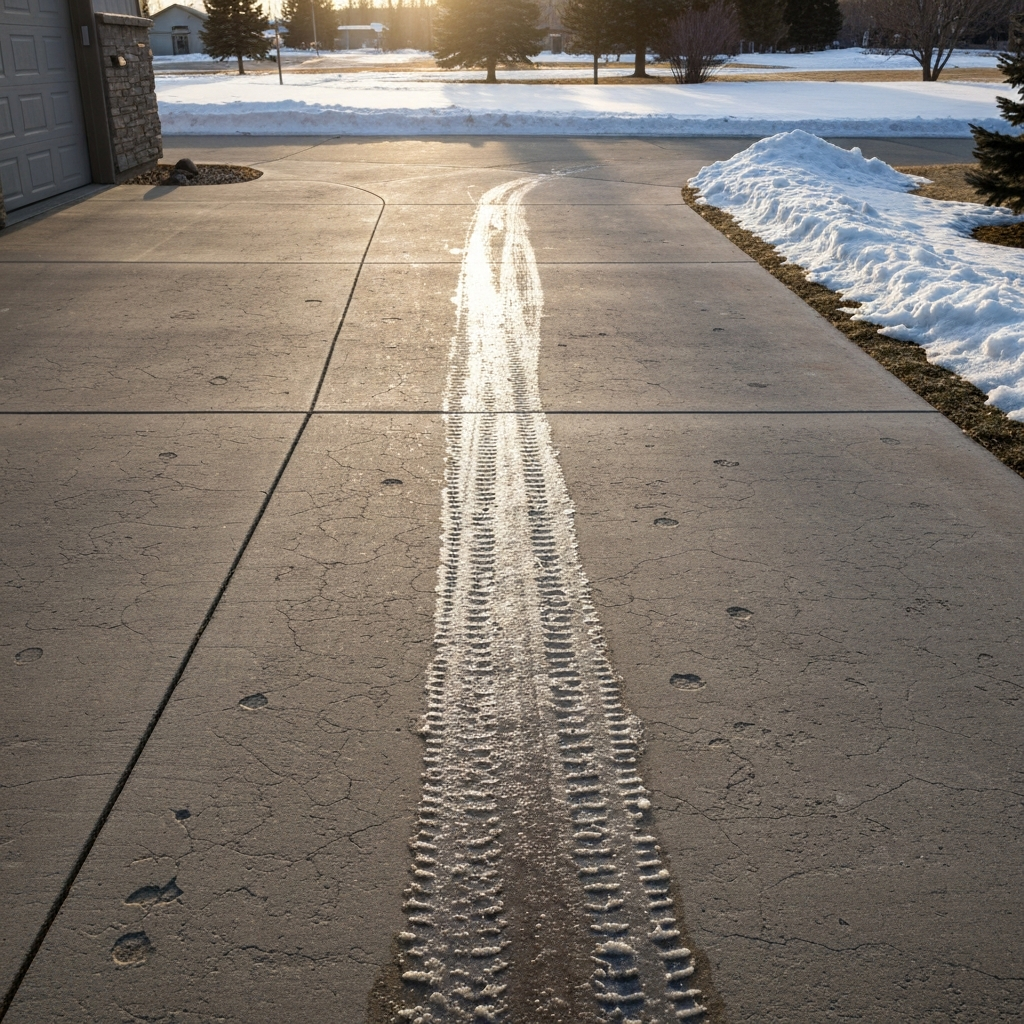
Concrete driveways in the Flathead Valley take a beating that many mild-climate products are not designed to handle. A driveway in Kalispell or Columbia Falls may see repeated snowmelt during the day, freezing temperatures at night, snowplow abrasion, deicer exposure, and months of moisture sitting near the slab surface. That constant cycle pushes water into pores, hairline cracks, garage aprons, and weak surface paste.
Once water gets into concrete and freezes, it expands. Over enough seasons, that expansion can widen cracks, loosen the surface, and contribute to pitting, scaling, and spalling. Road salt and deicer can make the problem worse by increasing moisture movement and accelerating surface breakdown, especially around tire paths, edges, and low spots where slush sits.
UV exposure matters too. Montana driveways often move from snow cover to intense sun, especially on open lots, rural properties, and south-facing homes. Film-forming sealers can chalk, yellow, wear unevenly, or trap moisture if the wrong product is used in the wrong place. Penetrating sealers usually create a more breathable protection layer inside the surface, which is often a better fit for exposed driveways in freeze-thaw climates.
The real cost issue is not only the price to seal a concrete driveway. It is the cost of waiting until the surface is already spalled, patched, and deteriorating. A driveway that could have been protected for a few dollars per square foot may later need grinding, patching, resurfacing, or more extensive surface restoration. Sealing is a maintenance expense; severe surface failure becomes a repair project.
Concrete Driveway Sealing Cost in Kalispell: Installed Price Ranges
Professional driveway sealing is priced around the size of the driveway, the condition of the existing concrete, the amount of preparation required, and the sealer system selected. A clean, newer driveway with open access and minimal cracking costs less than an older driveway with oil staining, failed old sealer, open cracks, surface scaling, or spalled areas near the garage apron.
A real quote usually includes four parts: pressure-washing prep, condition correction where needed, sealer chemistry, and application. Streamline Solutions measures the driveway, checks the slab condition, identifies drainage or moisture concerns, and provides a fixed written quote before work begins.
| Driveway size / condition | Typical installed range | What is usually included |
|---|---|---|
| Small single-wide driveway, 300-500 sq. ft., clean condition | $650-$1,250 total | Pressure washing, surface rinse, dry-time planning, one professional sealer system, controlled application, and basic edge care around walkways or garage apron. |
| Standard double-wide driveway, 600-900 sq. ft., average condition | $950-$2,100 total | Pressure-washing prep, condition check, light crack attention where appropriate, penetrating silane/siloxane or acrylic sealer selection, and full driveway application. |
| Larger suburban driveway, 1,000-1,500 sq. ft., moderate wear | $1,500-$3,800 total | Deeper cleaning, additional prep around tire paths and edges, minor crack or surface defect attention, sealer matched to exposure, and staged application for even coverage. |
| Long rural-lot driveway, 1,500-3,000+ sq. ft. | $2,500-$7,500+ total | Larger-area cleaning, access planning, material-volume pricing, section-by-section application, and a written scope based on square footage and condition. |
| Older driveway with failed sealer, staining, cracks, or spalling | Custom quote after inspection | Pressure washing, possible prior sealer removal, stain reduction, crack filling or surface repair sequencing, and a recommendation on whether sealing or restoration should come first. |
For many Flathead County homes, the cost to seal a concrete driveway in Kalispell is not a one-size number. A basic maintenance sealing project on a sound driveway may stay near the lower end of the range. A driveway with visible scaling, old acrylic buildup, oil contamination, or open freeze-thaw cracks may need additional prep before a sealer can perform properly.
The most important pricing distinction is this: sealing is only as good as the surface it bonds to or penetrates into. Skipping cleaning, drying, crack attention, or product selection can make the project look cheaper upfront while shortening the protection cycle.
What Drives Driveway Sealing Price in Montana
Square Footage
Driveway size is the first cost driver. A compact garage apron and short single-car driveway uses less material and less labor than a long rural driveway or wide turnaround. Large driveways may have a lower per-square-foot rate than small projects, but the total cost rises because more cleaning, material, and application time are required.
Slab Condition and Repair Needs
A clean, dense, newer concrete surface is faster to prepare. Older concrete with spalling, pitting, exposed aggregate, open cracks, or deicer damage requires a more careful plan. Some cracks can be addressed before sealing, but severely deteriorated areas may need restoration before sealing makes sense. This matters because sealing does not rebuild missing concrete.
Sealer Chemistry
The two major categories are penetrating silane/siloxane sealers and film-forming acrylic sealers. Penetrating sealers are often the best fit for exposed Montana driveways because they soak into the concrete and help reduce water absorption while keeping a more natural appearance. Film-forming acrylics sit more on the surface and require careful surface prep.
Prior Sealer Removal
If the driveway has an old coating, failed acrylic, uneven film, cloudy finish, or peeling material, the old sealer may need to be removed or mechanically addressed. This adds labor and changes the price because the new sealer cannot perform correctly over a failing layer. The surface history matters as much as the square footage.
Access and Layout
A wide open driveway with water access, simple drainage, and clear edges is easier to prep and seal. Tight access, steep slopes, long rural drives, heavy landscaping, poor drainage, or limited staging space can add time. Garage aprons, walkways, and transition edges also require more detail work than broad open concrete.
Seasonal Application Window
Montana weather affects scheduling. Most driveway sealers need the concrete to be clean, dry, and within the correct temperature range before, during, and after application. Rain, heavy dew, cold nights, or early snow can delay the work. The best sealing window in Kalispell is usually late spring through early fall.
How Sealer Chemistry Works
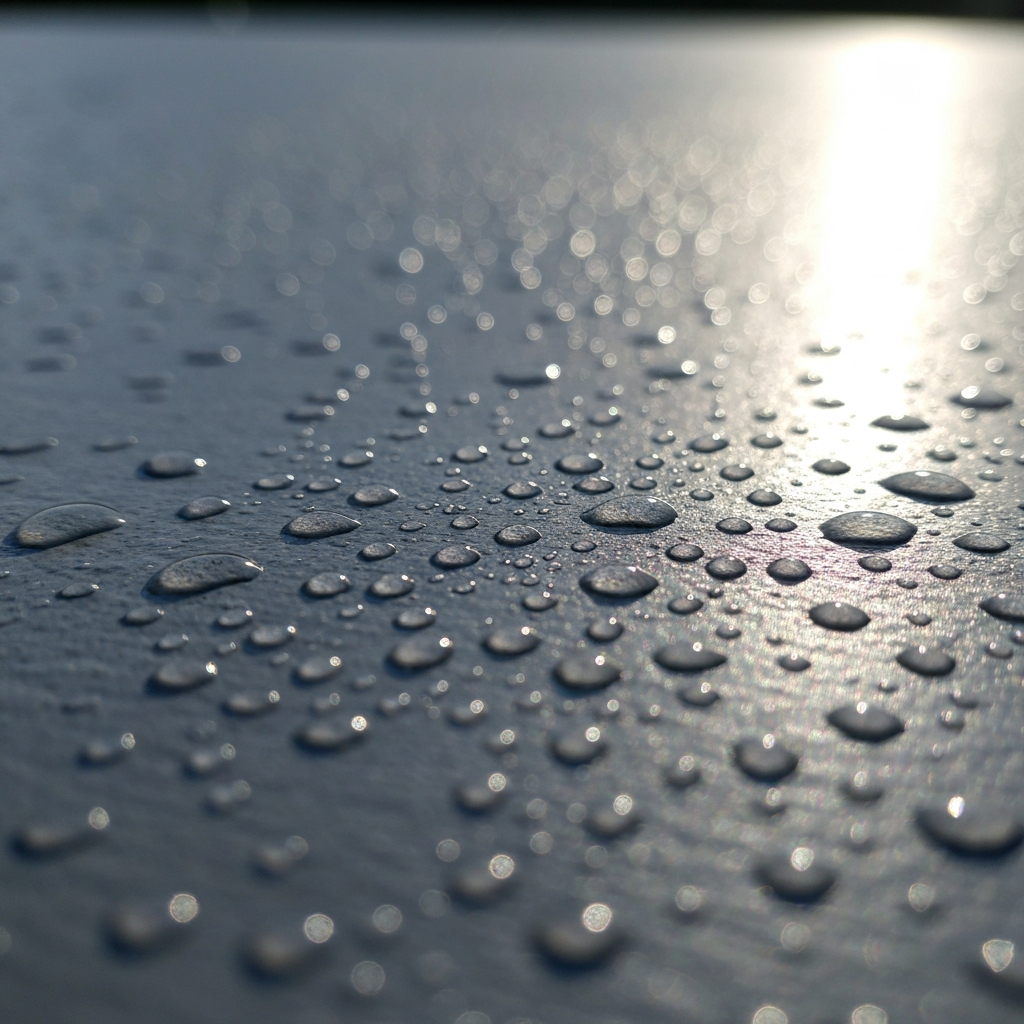
Understanding the difference between penetrating and film-forming sealers helps explain the cost and performance differences. A penetrating silane/siloxane sealer works from within, making the concrete itself water-repellent while remaining breathable. A film-forming acrylic sits on top, which can enhance color but is more vulnerable to tire wear, snowplows, and trapped moisture.
Penetrating sealers (left) soak into the concrete pores, while film-forming sealers (right) sit on the surface.
What You Are Paying For
Spalling Prevention
Spalling often starts small: a few surface flakes, a rough patch near the garage, or a weak area where snowmelt sits. Sealing helps reduce water absorption into the concrete, which lowers the chance of freeze expansion damaging the surface. It is not magic, but it is one of the most practical ways to slow winter-driven deterioration.
Salt and Deicer Defense
Road salt and deicer get carried onto driveways by tires, boots, snowblowers, and plows. Once that salty moisture sits on unsealed concrete, it can accelerate surface wear. A professional sealing system helps reduce how much of that moisture enters the slab.
Moisture Control Inside the Surface
Concrete is porous. Even when it looks solid, it can absorb water through capillaries, pores, and hairline cracks. Penetrating silane and siloxane sealers help create water repellency inside the surface rather than simply forming a top layer.
Curb Appeal Protection
A sealed driveway usually looks cleaner, more even, and better maintained. Penetrating sealers keep a natural concrete look, while certain film-forming sealers can add a slight enhancement when appropriate. The goal is not to disguise damage; the goal is to protect the driveway before damage dominates the appearance.
Avoided Restoration Costs
Sealing is usually far less expensive than grinding, patching, resurfacing, or replacing failed sections. The longer moisture, salt, and freeze-thaw cycling attack an unprotected driveway, the more likely the project becomes a restoration conversation instead of a maintenance visit. Preventive sealing is a lower-cost way to stay ahead of that curve.
Our Driveway Sealing Process
Measure and Inspect
We begin by measuring the driveway and checking the condition of the existing concrete. The inspection looks at cracks, pitting, spalling, drainage, prior sealer, staining, tire-path wear, garage aprons, walkway transitions, and areas where snowmelt tends to sit. This gives us the information needed to recommend the correct sealer and quote the project properly.
Pressure-Wash and Prepare
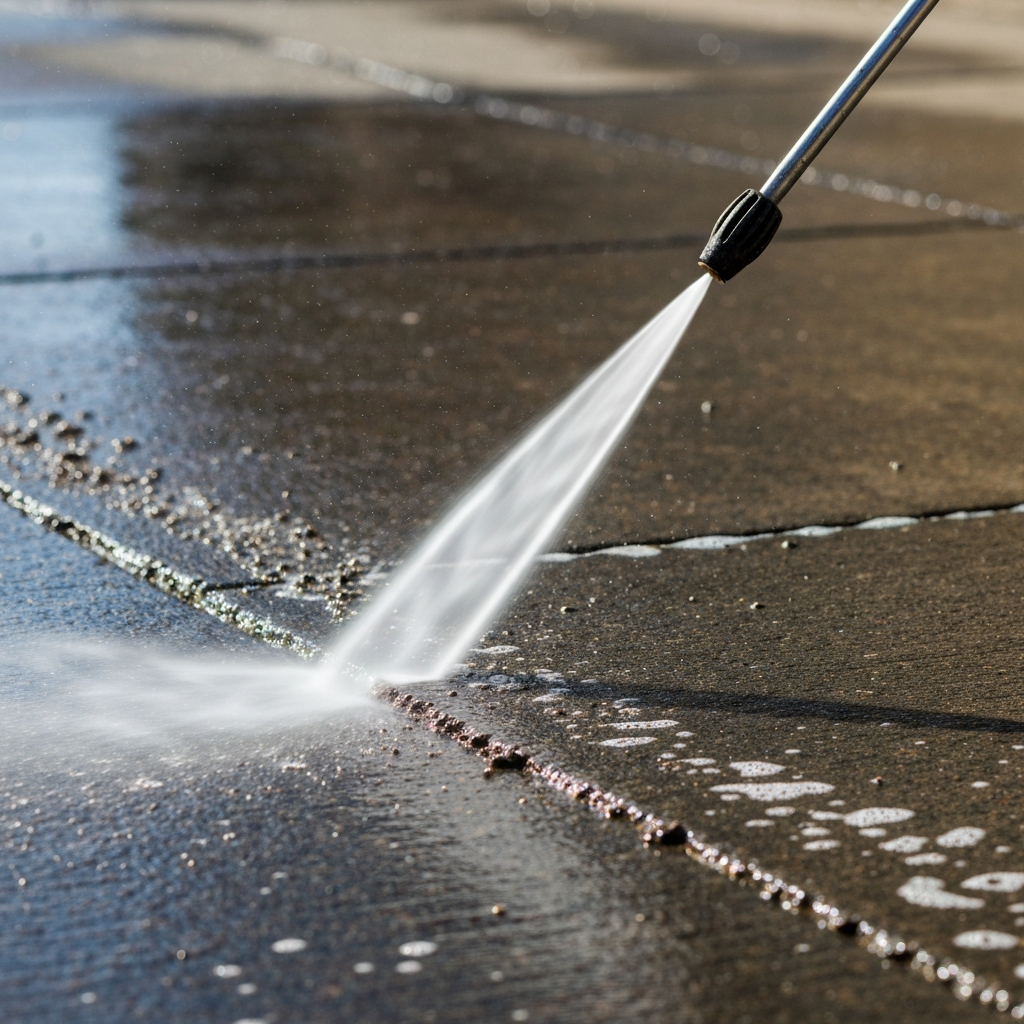
Surface prep is a major part of the job. The driveway is pressure-washed to remove dirt, dust, loose material, surface contaminants, and winter residue. When needed, prep may include extra attention to oil spots, tire marks, edges, and areas near downspouts or landscaping. For related surface preparation work, see our pressure-washing service page at /pressure-washing/.
Repair or Sequence Problem Areas
Small cracks or minor surface issues may be addressed before sealing when appropriate. Larger spalled areas may need more than sealer. If the concrete is too deteriorated for sealing to be useful, we will explain the correct sequence instead of selling a sealer that will not solve the problem.
Let the Concrete Dry
Dry time is not optional. Concrete can look dry on top while still holding moisture inside pores and cracks. The correct dry window depends on weather, shade, humidity, temperature, and the sealer system being used.
Apply the Sealer
Once the driveway is properly prepared and dry, the selected sealer is applied according to the project requirements. Penetrating sealers are used when water repellency and freeze-thaw protection are the priority. Film-forming sealers are used only when the surface, appearance goal, and maintenance expectations make sense.
Final Walkthrough and Care Guidance
After application, we explain cure time, when foot traffic is reasonable, when vehicles should stay off the driveway, and what to avoid during the early cure period. You receive practical maintenance guidance so the sealer has the best chance to perform through Montana weather.
DIY Box-Store Sealer vs Professional Penetrating System
DIY concrete sealer can look attractive because the shelf price is lower. The real comparison is not just the product cost; it is the prep quality, sealer grade, application timing, lifespan, and how many times the driveway has to be redone over a 10-year period.
For full service details, see /concrete-sealing/.
| Category | DIY box-store sealer | Professional penetrating system |
|---|---|---|
| Surface prep | Often limited to rinsing or basic washing; cracks, moisture, and contaminants may be missed. | Pressure-washing prep, condition inspection, dry-time planning, and surface-specific recommendations. |
| Sealer grade | Consumer-grade products vary widely and may not be ideal for freeze-thaw exposure. | Product selected for Montana weather, slab condition, and driveway use. |
| Penetration depth | Often inconsistent due to prep, product choice, and application rate. | Applied with attention to surface absorption, coverage rate, and product requirements. |
| Lifespan | May need frequent reapplication, especially under traffic, UV, and deicer exposure. | Often 2-5 years depending on sealer type, exposure, and maintenance. |
| Appearance control | Higher risk of streaking, lap marks, whitening, or uneven finish. | More controlled application and better product matching to the desired result. |
| 10-year cost | Can become expensive if reapplied often or if failed film must be removed. | Higher upfront cost, but better protection planning and fewer avoidable failures. |
DIY may be reasonable for a very small, newer, clean slab when the homeowner understands the product and weather window. For a full driveway in Kalispell or the Flathead Valley, the risk is usually not the act of applying sealer. The risk is applying the wrong sealer, applying it over hidden moisture, or sealing over a surface that needed repair first.
Pros
- Professional concrete driveway sealing helps reduce moisture absorption, slow freeze-thaw damage, resist salt intrusion, and keep the driveway easier to clean.
- It is less disruptive than major restoration and usually costs far less than waiting for advanced surface failure.
- It gives homeowners a clear maintenance cycle instead of reacting to damage after each winter.
Cons
- Sealing is not a replacement for structural repair. It will not level a sunken slab, rebuild missing concrete, or erase severe spalling.
- Some sealers can change appearance, and film-forming products can require more maintenance if they are exposed to heavy tire traffic and winter moisture.
Best For
Driveway sealing is best for existing concrete driveways that are still structurally sound. It is especially useful for newer driveways, driveways showing early wear, garage aprons that collect snowmelt, walkways connected to driveway areas, and homes exposed to repeated deicer use. It is also a smart maintenance step before the first major signs of pitting and scaling appear.
Not Recommended For
Sealing alone is not recommended for heavily spalled driveways, unstable concrete, deep cracking, severe drainage problems, or surfaces with failed coatings that have not been removed. In those cases, repair or restoration should come first. A sealer should protect a sound surface, not hide a failing one.
Myth → Reality
Myth: Sealing is only cosmetic.
Reality: Appearance is only part of the benefit. The main purpose of concrete driveway sealing in Montana is to reduce water absorption, salt intrusion, and freeze-thaw stress. A good sealer helps protect the slab before visible damage becomes expensive.
Myth: New concrete never needs sealing.
Reality: Newer concrete can benefit from protection once it has cured and is ready for the correct sealer. The timing depends on the concrete, weather, and product requirements. In a freeze-thaw climate, waiting until damage appears is often more expensive than maintaining the surface early.
Myth: One application lasts the life of the driveway.
Reality: No driveway sealer is permanent. Most systems need maintenance every few years, depending on traffic, exposure, snow removal, salt use, and sealer type. A realistic maintenance cycle is better than a one-time promise that does not match Montana conditions.
Myth: All driveway sealers are basically the same.
Reality: Penetrating silane/siloxane sealers and film-forming acrylic sealers behave very differently. One works primarily inside the concrete pores, while the other creates more of a visible surface film. The right choice depends on the driveway, the desired look, and the exposure level.
Myth: A sealer can fix spalled concrete.
Reality: Sealer helps protect concrete; it does not rebuild missing surface material. If the driveway is already spalled, the damaged areas may need repair or restoration before sealing. Honest sequencing leads to a better result and a longer-lasting maintenance plan.
Streamline Solutions Recommendation
For most existing concrete driveways in Kalispell and the Flathead Valley, we usually recommend a professional cleaning and a penetrating silane/siloxane sealer when the primary goal is winter protection. This type of system is well suited for moisture defense, freeze-thaw exposure, and road salt resistance without creating a heavy surface film.
Film-forming acrylic sealers can still make sense in specific situations, especially where appearance enhancement is part of the goal and the surface conditions support it. However, exposed driveways with tire traffic, snowmelt, and deicer need careful product selection. The wrong glossy film can become a maintenance problem instead of a solution.
The best value is not always the cheapest per-square-foot number. It is the system that fits the driveway's condition, Montana's climate, and the homeowner's maintenance expectations. We recommend measuring the slab, inspecting the surface, and choosing the sealer only after the driveway tells us what it needs.
— Streamline Solutions · Concrete Surface Protection Specialists, Kalispell, MT
Service Area
Streamline Solutions provides residential concrete driveway sealing in:
These towns cover the core residential service area for this page across Flathead Valley, Flathead County, and nearby Northwest Montana communities. Missoula is not included for residential driveway sealing on this page; Missoula is considered for commercial projects only.
Trust, Quote, and Next Step
Streamline Solutions is licensed and insured, with a practical focus on protecting existing concrete surfaces from Montana weather. Our workmanship approach is simple: inspect the surface honestly, explain the options clearly, provide a written quote, and recommend the system that fits the driveway instead of forcing every project into the same product.
A free written quote includes driveway measurement, condition review, sealer recommendation, preparation scope, and a clear installed price. Whether your driveway needs a basic maintenance seal, more detailed prep, or repair sequencing before sealing, you will know the plan before the work starts.
Be our first Flathead Valley review.
To request a concrete driveway sealing quote in Kalispell or the Flathead Valley, call 406-909-4342.
Related cost and service pages: